Crossing multiple countries in one trip is one of the best things about traveling in Europe. You can have breakfast in Vienna, take a train to Budapest, and be checking into a different hotel by evening. But somewhere between all of that, your phone needs to keep up. Directions, bookings, messages, translation. The small things that make a big trip feel manageable.
Sorting connectivity before you leave is one of the quieter wins of travel planning. It does not take long, and it means one less thing to figure out when you are already moving.
What changes when you are crossing borders?
A single-country SIM stops working the moment you cross into the next one. That is fine for a one-destination trip. For anyone moving through France, Spain, Italy, Portugal, or further east, it creates a gap right when you need coverage most. Border towns, train stations, and transfer hubs are exactly where you want your maps and bookings loading without hesitation.
A multi-country plan removes that problem entirely.
Why a Europe eSIM makes sense for multi-country trips?
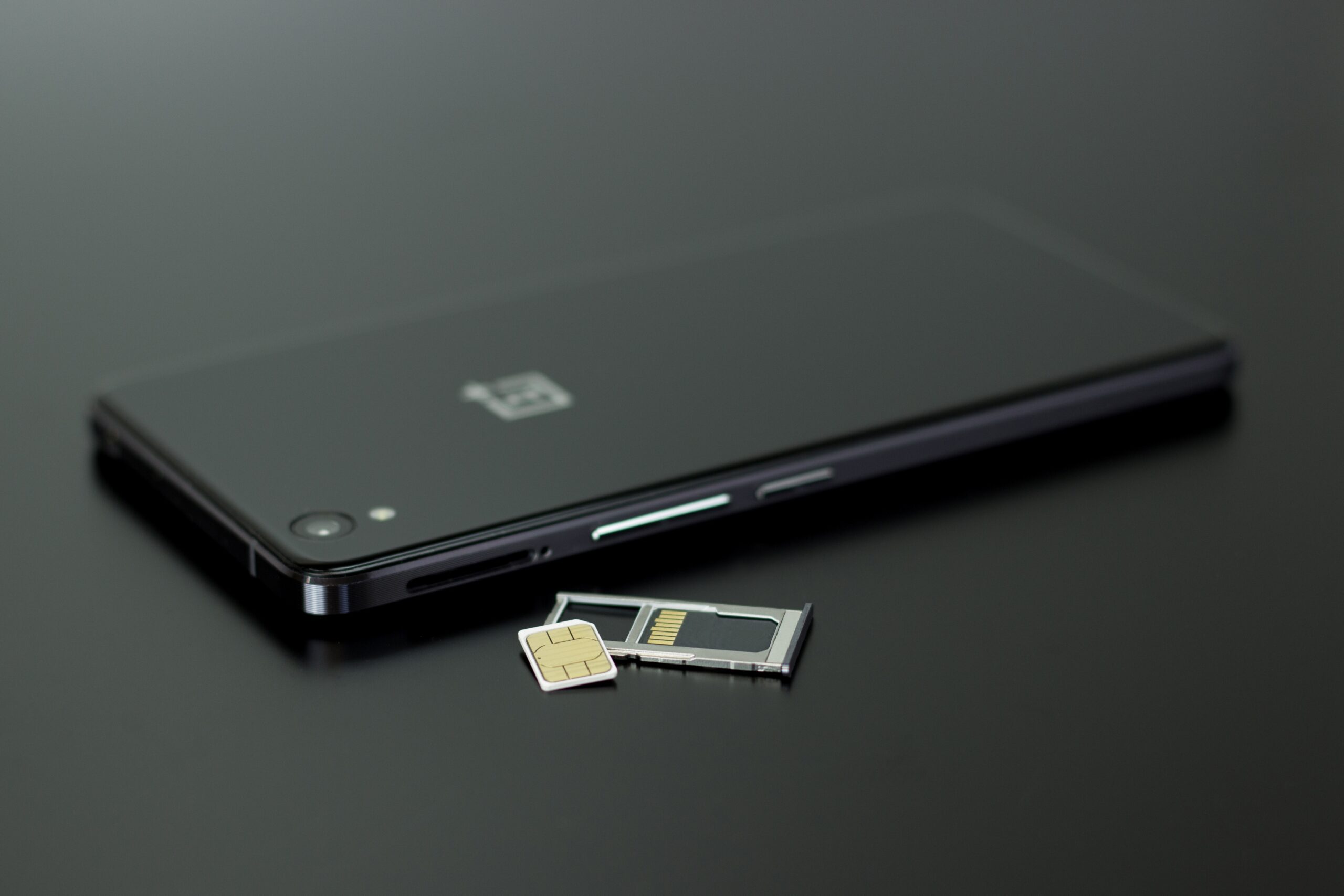
An eSIM for Europe lets you cover 30 or more countries under a single plan. You set it up at home, scan a QR code, and the plan is ready before your first flight lands. No airport counters, no SIM trays, no starting from scratch in each new city.
For travelers coming from the USA, UK, Australia, New Zealand, or Canada, this matters more than it might seem. Home carrier roaming across that many countries adds up fast. Even plans that sound generous often come with speed limits or daily data caps that hit at the worst moments.
A Europe eSIM keeps things steady. Same plan, same speed, same setup, whether you are in a quiet town in Slovenia or a busy station in Barcelona.
Questions worth answering before you buy
Every trip is different. Before you commit to a plan, think through a few things.
- How many countries and how many days?
- Will you be using a hotspot for a laptop or tablet?
- Do you need your home number active for calls or authentication codes?
A weekend in two cities needs less data than three weeks across eight countries. Knowing your trip shape helps you pick the right plan without overpaying or running short.
Other options and their honest tradeoffs
Home carrier roaming is easy because you do not have to set anything up. The cost is the tradeoff. Across multiple countries, it can become expensive quickly, and some plans throttle speed once you hit a cap.
Pocket WiFi works for groups sharing a connection but adds a device to manage and charge. One dead battery means everyone loses signal.
Local SIMs can work for long stays in one place. For a multi-country trip, buying a new SIM at each border is more effort than it is worth.
Before you fly, a short setup list
A little prep on this end makes arrival day easier.
- Check that your phone supports eSIM and is unlocked
- Install your plan and label it clearly in settings
- Download offline maps for your first two cities
- Save hotel addresses and booking QR codes somewhere easy to find
- Pack a power bank for long transit days
Connectivity
Reliable internet is what keeps small problems from becoming big ones. It helps with live directions, translation, ride bookings, ticket apps, and quick changes when plans shift. If you want a smoother setup, a travel eSIM can be useful for staying online without hunting for WiFi.
If you are using Jetpac, you can expect:
- Works in 200+ destinations
- Instant QR code activation
- Prepaid 5G
- Multi-network switching
- Unlimited hotspot sharing
- Voice calls starting at USD 1.99 for 5 minutes
- 24/7 WhatsApp and email support