
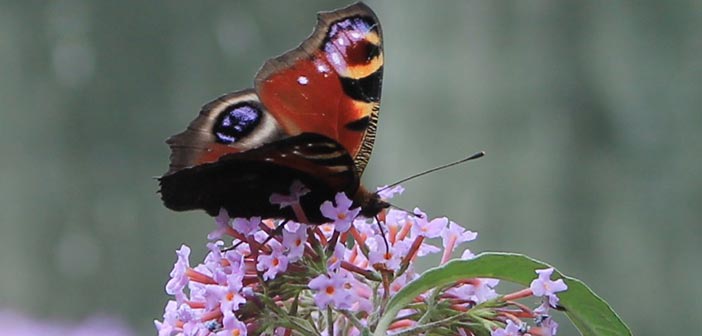
LOCAL residents are being urged to join the Big Butterfly Count which starts this Friday, 17th July until Sunday 9th August.
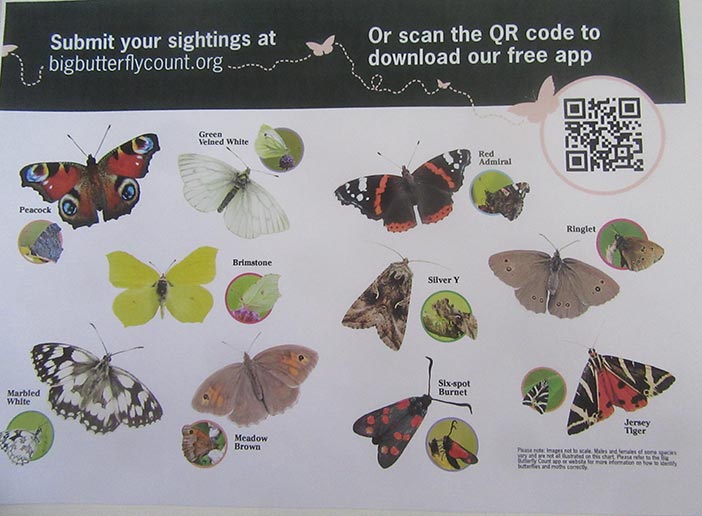
Visit the official Big Butterfly Count website at https://bigbutterflycount.butterfly-conservation.org/ for details and id chart.
It is an annual citizen science project organized by Butterfly Conservation, encouraging people across the UK to record butterflies and moths in gardens, parks, fields, or even balconies. The survey helps scientists track the health of butterfly populations, which are key indicators of biodiversity and environmental change, as over 80% of UK butterfly species are currently in decline.
The Warrington Nature Conservation Forum (WNCF) says that everyone can take part at any age and its great fun for the family.
Chair Geoff Settle said: “It’s something that our members participate in every year. There is an interactive map that will show you what species and where butterflies have been spotted. You may have noticed that the hot weather has brought out many butterflies across the borough.”
How to Take Part
1. Choose a Spot: Any outdoor space such as a garden, park, school field, or countryside area.
2. Count for 15 Minutes: Record all butterflies and day-flying moths you see.
3. Identify Species: Use the free Big Butterfly Count app or download the official ID guide to help identify species.
4. Submit Your Sightings: Enter your counts via the app or the Big Butterfly page
5. Every observation contributes to the national database.
Common Species to Spot
Some butterflies and moths already seen by WNCF members during the summer include:
• Peacock – Bright eyespots, often basking in the sun
• Red Admiral – Black with red bands and white spots, loves garden flowers
• Small Tortoiseshell – Orange and black with blue edging
• Gatekeeper – Orange and brown, found in hedgerows and meadows
• Comma – Ragged wing edges with rich orange and dark markings
• Common Blue – Bright blue males, greyish-brown females
• Six-spot Burnet – Metallic black wings with red spots
• Cinnabar – Red and black, usually on ragwort
Geoff said “There are at least twenty common butterflies on the count id pages. The Peacock has been voted the nations favourite and only yesterday one flew into our house and fluttered on the window. I remember over ten years ago when thousands of Painted Ladies crossed the English Channel from France with a following wind to Warrington with over thirty landing on a buddleia bush on Bewsey Street, the rare sight hasn’t been seen since then, but it was good whilst it lasted.
“My favourites are the orange tip and brimstone that arrive early at Spittle Brook followed later by the comma and its distinctive shaped wings. The common blue and holly blue are not seen often but when they are they’re a delight and so fast.
“We urge you to spend 15 minutes slots to record the butterflies and add your records to the butterfly conservation database and put Warrington sightings on the interactive map.”
Why It Matters
Butterflies are vital pollinators and act as environmental barometers. Their presence and abundance reflect the health of ecosystems. By participating, you help scientists understand trends, identify species at risk, and inform conservation strategies. The count also provides a chance to connect with nature and enjoy the wellbeing benefits of outdoor observation.
Nature recovery
Geoff said, “Continuing the conservation theme the WNCF have helped other forms of nature recover through action, observation and identification. Working with the WBC mowing team grass remained uncut and new sightings of wild orchids, Northern Marsh wild orchids and other wildflowers have prospered.
“Because of their new knowledge of Bee-Orchids the mowing team spotted the orchid spikes in Gorse Covert and waved around them. At the Birchwood Expressway site, I counted over 160 Bee-Orchids this year 60 more than ten years ago when a lady, called Cath, from Cinnamon Brow emailed to let me know of her discovery when she was cycling to work. It was a year of cutbacks and grass had been allowed to grow tall an environment that the Birchwood Orchids love. Once mowing had resumed in subsequent years no bee0orchids had appeared.
“Coupled with this conservation action by Kevin NcCready’s mowing team and publicity from Warrington Worldwide a further site has been discovered been reported by a resident in Great Sankey. We are very grateful for their support and others; it shows that nature can recovered if allowed to and of course the orchids are suppling nectar to the butterflies a win situation. Something the Westy Swift Conservationists are advocating with their Wildlife Site designation work.”





1 Comment
I hope everyone enjoys the Big Butterfly Count, the results of which should help Butterfly Conservation.