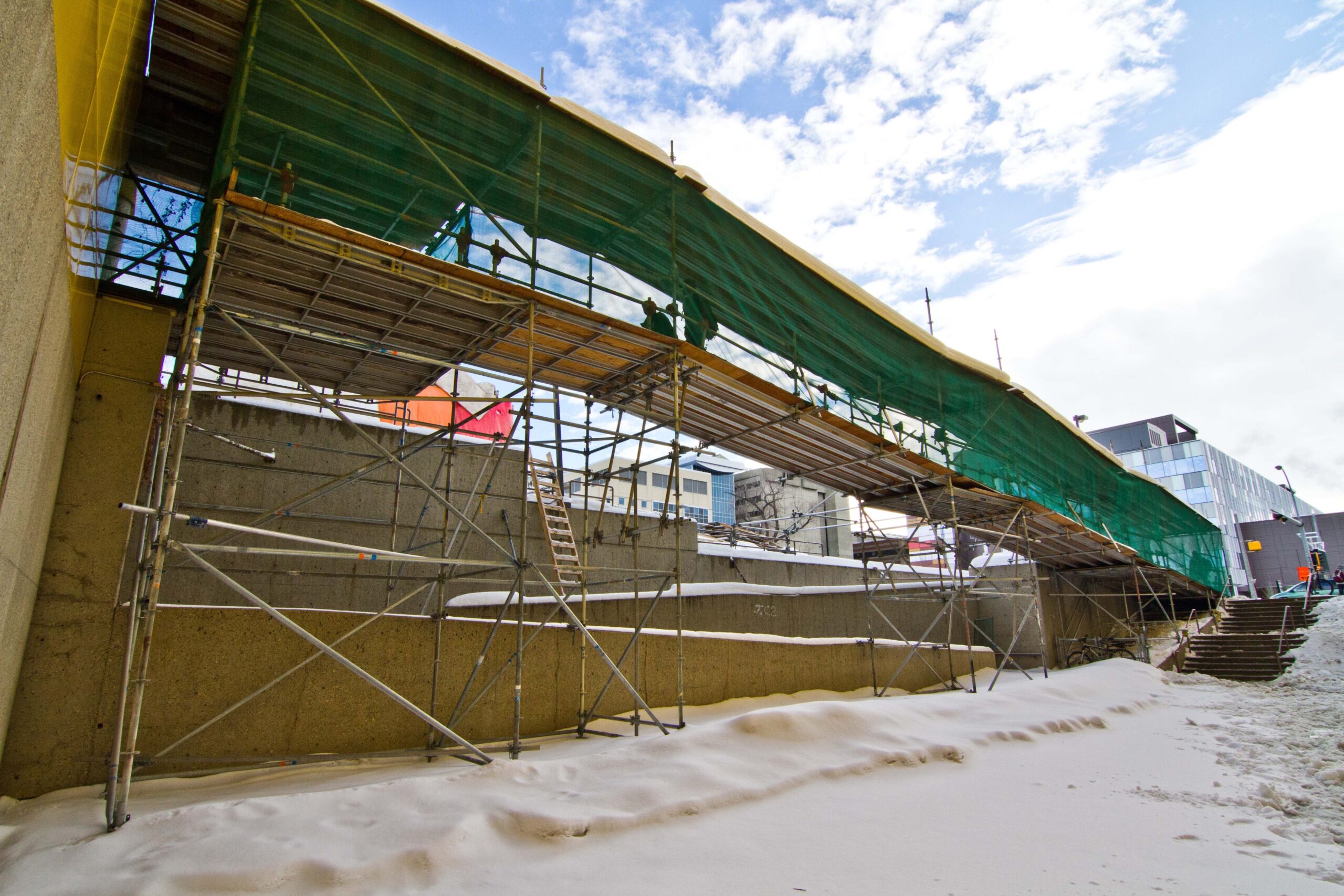
Construction projects are now a familiar part of towns and cities across the UK. Whether it is a housing development, retail refurbishment, or infrastructure upgrade, building work often takes place in highly visible public areas.
Temporary barriers have become far more than simple fencing solutions. They now contribute to safety, branding, privacy, and public communication. Well-designed perimeter systems can influence how a construction site is viewed while also helping contractors manage practical challenges throughout a project lifecycle.
Construction Sites Are Under More Public Security
Building projects today operate under closer observation than ever before. Residents, businesses, and local councils increasingly expect sites to remain organised, secure, and visually controlled throughout development work.
In busy urban areas, construction zones can easily create disruption if boundaries are poorly managed. Noise, dust, restricted walkways, and visual clutter all affect public perception.
This is one reason hoarding construction has become an essential part of modern project planning. Contractors now treat external site presentation as part of overall project management rather than an afterthought.
Public Expectations Have Changed
People no longer expect construction sites to look chaotic or unfinished from the outside. Even temporary structures are expected to appear safe and professionally maintained.
Many local authorities also place strict conditions on visible site boundaries, particularly near:
- Shopping districts
- Residential roads
- Schools
- Public transport routes
- Tourist areas
Well-installed perimeter systems help contractors meet these expectations while reducing complaints from surrounding communities.
Safety Remains the Primary Priority
Construction sites contain numerous hazards, particularly where members of the public pass nearby daily.
Preventing Unauthorised Access
Active building zones often contain:
- Heavy machinery
- Excavation areas
- Electrical equipment
- Moving vehicles
- Unstable materials
Without secure boundaries, public safety risks increase significantly.
Site hoarding panels help establish a clear separation between construction activity and surrounding pedestrian areas. This reduces accidental access while improving overall site control.
For projects operating in busy locations, visibility and durability become especially important.
Supporting Site Security
Theft and vandalism remain ongoing concerns across the UK construction sector. According to industry reports, stolen equipment and damaged materials cost construction businesses millions annually.
Strong perimeter systems act as both physical and psychological deterrents.
Construction firms frequently use secure hoarding systems alongside:
| Security Measure | Purpose |
| CCTV systems | Site monitoring |
| Controlled entry points | Access management |
| Lighting installations | Night-time visibility |
| Warning signage | Hazard communication |
| Security patrols | Theft prevention |
The boundary itself becomes part of the wider security strategy.
The Growing Importance of Site Presentation
Visual appearance may seem secondary compared to engineering work, but public-facing construction projects increasingly depend on strong presentation standards.
Construction Branding Is More Visible
Modern developments often include branded graphics and printed messaging across site boundaries. This allows developers to communicate project details while improving visual appeal.
Site hoarding panels now regularly feature:
- Project renderings
- Company branding
- Planning information
- Safety notices
- Community messaging
This creates a more organised appearance while reducing the visual impact of large-scale construction work.
Cleaner Streets Improve Public Perception
Untidy worksites can quickly frustrate local residents and nearby businesses. Dust, exposed materials, and visual clutter may create the impression of poor project management.
Professional boundary systems help contain some of this disruption while improving the overall streetscape during construction.
In retail areas especially, appearance matters because nearby businesses rely heavily on foot traffic and customer confidence.
Urban Development Is Increasing Across the UK
Construction activity has grown across housing, infrastructure, and commercial development sectors in recent years.
This has created more demand for temporary perimeter solutions that balance:
- Safety
- Durability
- Branding
- Noise reduction
- Weather resistance
As projects become larger and more visible, temporary boundaries have evolved accordingly.
Materials and Design Have Improved
Traditional timber barriers are still used on some projects, but modern systems now offer improved durability and presentation.
Different Projects Need Different Solutions
Not every construction site has the same requirements.
For example:
| Project Type | Typical Requirement |
| City centre developments | Branded visual presentation |
| Infrastructure works | Strong security focus |
| Housing developments | Long-term durability |
| Retail refurbishments | Minimal visual disruption |
| Public projects | Community information displays |
This variation influences the materials and design approach chosen for each site.
Weather Resistance Matters
UK weather conditions create challenges for outdoor site structures. Wind, rain, and temperature changes can affect temporary installations throughout long construction schedules.
Because of this, contractors increasingly choose systems designed for durability and easier maintenance.
Reliable hoarding construction also reduces the likelihood of damage that could create additional safety concerns or repair costs later in the project.
Noise and Dust Management Are Growing Concerns
Construction work inevitably creates disruption, but contractors are under increasing pressure to minimise environmental impact where possible.
Boundary Systems Can Help Reduce Disturbance
Although no temporary barrier completely eliminates construction noise, enclosed perimeter systems can help reduce sound spread compared to open fencing.
Similarly, controlled boundaries help limit visible dust movement around surrounding public spaces.
This becomes especially important near:
- Residential flats
- Schools
- Hospitals
- Offices
- Hospitality venues
Reducing disruption helps maintain better relationships with local communities throughout longer projects.
Temporary Structures Still Reflect Company Standards
Even though site boundaries are temporary, they often create the public’s first impression of a contractor or developer.
Poorly maintained barriers may suggest weak organisation, while clean and professionally installed systems create greater confidence.
Consistency Builds Trust
Developers increasingly standardise their perimeter branding across multiple projects to maintain a recognisable appearance.
This includes:
- Consistent colour schemes
- Clear typography
- Branded messaging
- Uniform panel installation
- Professional graphics
The result is a more polished public image that reflects broader company standards.
Sustainability Is Influencing Construction Choices
Environmental expectations now influence most parts of the construction industry, including temporary site infrastructure.
Many contractors now consider:
- Reusable panel systems
- Recyclable materials
- Reduced waste production
- Longer material lifespan
- Lower maintenance requirements
This reflects wider sustainability goals across UK construction and redevelopment sectors.
Temporary site systems are increasingly selected not only for cost efficiency but also for environmental performance.
Conclusion
Construction sites remain highly visible parts of towns and cities, making safe and organised perimeter systems increasingly important. From public protection to branding and environmental management, temporary boundaries now serve several functions beyond basic security. Strong presentation standards also influence how developers and contractors are perceived throughout a project. As construction activity continues across the UK, professionally managed site boundaries help reduce disruption while supporting safer working environments. Board Printing Company provides practical print and display solutions that help construction projects maintain visibility, communication, and professional presentation throughout active development work.
Author Name: Nimesh Kerai
Nimesh Kerai, the Head of Printing at the Board Printing Company, is a seasoned professional. His immaculate technical proficiency and habit of staying current with the advertising trends have helped the company reach impressive heights in the industry. He has amassed extensive knowledge throughout his career and often shares it with the general public in the form of intriguing and useful blog posts.