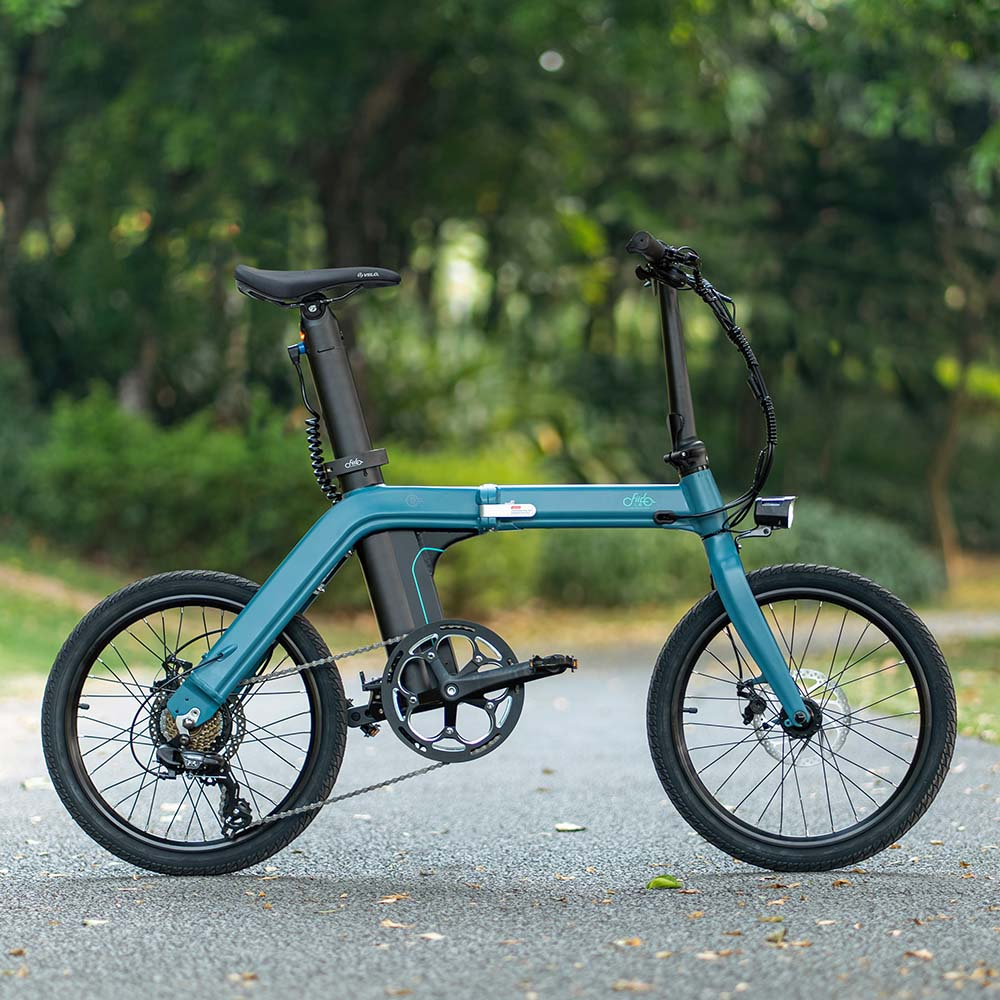
The iScooter F7 electric bike is worth understanding beyond its advertised speed and range, especially for riders who want practical transport for everyday journeys. Its motor, battery, tyres, braking system, and overall weight all affect how it performs on different roads.
Looking at these specifications together makes it easier to decide whether the vehicle suits your routine. Although the title uses the term electric bike, the F7 is marketed by its manufacturer as a seated electric scooter. Knowing this distinction, along with the details behind its technical features, can help buyers make a more informed choice.
Motor Power and Overall Performance
Motor power is one of the first specifications people notice when comparing electric vehicles. The iScooter F7 is advertised with a 1,000-watt motor, giving it the power needed for everyday riding and moderate inclines under suitable conditions. However, the wattage alone does not explain everything about performance. Acceleration, rider weight, battery charge, road surface, and the controller all influence how the vehicle behaves. A motor may feel responsive on a flat road but work harder when climbing a hill or carrying additional weight. That is why it helps to consider motor power alongside the other specifications rather than treating it as the only measure of quality.
For someone planning regular journeys, the useful question is whether the motor matches the intended route. Riders travelling mainly through flat urban areas may not need the same performance as those dealing with frequent slopes. The F7’s rear-wheel-drive arrangement also affects how power reaches the road. Before choosing this model, buyers should check the specifications for their exact regional version and confirm the permitted speed for their intended use. Advertised peak power should not automatically be confused with continuous rated power. Understanding these differences gives a clearer picture of the vehicle’s capabilities and helps set realistic expectations before making a purchase.
Battery Capacity and Energy Storage
The battery determines how much electrical energy the F7 can store for a journey. The manufacturer’s US specifications list a 48-volt, 10.4-amp-hour battery, which corresponds to approximately 499 watt-hours when calculated from those figures. Battery capacity matters because the motor and other electrical components draw energy during use. Still, a larger number does not guarantee a particular distance on every ride. The actual result depends on speed, rider weight, road conditions, temperature, tyre pressure, and how often the motor must work harder. These factors explain why two riders can experience different results with the same vehicle.
When comparing batteries, it is helpful to look at watt-hours as well as voltage and amp-hours. Voltage describes an important part of the electrical system, while amp-hours indicate the amount of charge the battery can supply under specified conditions. Watt-hours provide a more useful way to compare the total stored energy of batteries with different voltage ratings. Buyers should also consider how the battery is charged, whether replacement units are available, and what warranty applies. Battery care matters after purchase, too. Following the manufacturer’s charging and storage instructions can help maintain performance over time. A battery that meets everyday travel needs is often more useful than one selected simply because its figures look impressive.
Advertised Range and Real-World Distance
Range is important for anyone who plans to use an electric vehicle for commuting, shopping, or leisure trips. The F7’s US product information advertises a maximum range of around 40 to 45 miles, although the result achieved in everyday use may be lower. Manufacturer range figures generally depend on particular test conditions, which may differ from a rider’s normal routine. Frequent acceleration, higher speeds, hills, low temperatures, and additional cargo can all increase energy consumption. For this reason, the advertised maximum should be treated as a reference point rather than a guarantee of how far every rider will travel on a full charge.
A sensible approach is to estimate the distance of a normal round trip and leave some extra battery capacity for unexpected detours or changing conditions. Someone travelling a short distance each day may find the available range more than sufficient, while a rider covering longer distances should examine their charging options carefully. It is also useful to remember that battery performance can change as the vehicle ages. Keeping the tyres properly inflated and avoiding unnecessary loads may help reduce energy use. If range is a major reason for choosing the F7, compare independent owner experiences with the manufacturer’s figures and check which version is being discussed. This gives a more realistic basis for planning daily journeys.
Maximum Speed and Riding Control
The manufacturer’s US listing gives the F7 a maximum advertised speed of 28 miles per hour. That figure is useful when understanding the vehicle’s design, but it should not be the only factor in a buying decision. A higher maximum speed can affect energy consumption, stopping distance, and the level of attention needed from the rider. Actual speed can also vary with battery charge, terrain, rider weight, and local settings. Buyers should therefore consider how the vehicle will be used rather than assuming that the highest possible speed is always the most practical option for everyday travel.
Riding conditions and local rules matter just as much as the advertised figure. The speed legally permitted for a vehicle can depend on its classification, location, and approval for public-road use. A model sold in one market may not be suitable for road use under another country’s rules. Before riding, check the manufacturer’s documentation and the applicable local requirements. It is also sensible to become familiar with the controls in a safe, permitted area before entering traffic. Smooth acceleration, maintaining a suitable following distance, and reducing speed on uneven or wet surfaces all contribute to better control. A vehicle’s top speed describes its potential under certain conditions, not the speed that should be maintained on every journey.
Braking System and Stopping Distance
A dependable braking system is essential for any vehicle used on busy streets or shared paths. The F7’s US product listing describes a combination of front and rear disc brakes with an electronic braking system. This setup is designed to give the rider different ways to slow down, but the actual stopping distance depends on several conditions. Speed, rider weight, tyre grip, road surface, and brake maintenance can all affect how quickly the vehicle stops. Even a well-equipped model needs enough space to slow down safely, especially when travelling downhill or approaching an unexpected obstacle.
Riders should check the brakes regularly and pay attention to unusual sounds, reduced braking response, or loose components. If anything feels wrong, the vehicle should be inspected before further use. Wet roads require extra caution because tyres may have less grip and stopping distances can increase. It is also important to confirm the braking equipment on the exact version being purchased. Product specifications can differ between regional models, so information from one listing may not describe every F7 variant. Good braking performance is not just about the hardware itself; it also depends on regular maintenance and sensible riding habits. Learning how the brakes respond at a safe speed can help riders feel more familiar with the vehicle before using it in demanding conditions.
Tyre Size and Road Grip
Tyres influence how an electric vehicle handles corners, uneven surfaces, and small changes in road level. The US F7 specifications list 16-inch pneumatic tyres, while the product description highlights wider tyres intended to support a comfortable ride. Pneumatic tyres contain air, which helps absorb some of the vibration caused by rough surfaces. Their performance depends partly on maintaining the correct tyre pressure. If the pressure is too low, rolling resistance can increase; if it is too high, the ride may feel firmer and grip may be affected. The correct pressure should always follow the manufacturer’s recommendations rather than guesswork.
Tyre condition also matters as the vehicle gets older. Cuts, worn tread, embedded objects, or repeated pressure loss should not be ignored. Riders who travel across mixed surfaces should pay particular attention to how the tyres behave on loose gravel, wet pavement, and uneven roads. A tyre designed for a wider range of conditions may offer useful versatility, but it does not make every surface safe. Ice, deep mud, and slippery road markings can still create serious risks. Before buying the F7, confirm the tyre size and design on the specific version, as listings may describe different configurations. Suitable tyres, regular inspections, and careful speed control can make daily journeys more predictable and comfortable.
Suspension and Riding Comfort
Suspension helps reduce the impact of bumps and vibrations as a vehicle travels over imperfect roads. The F7’s US specifications list front and rear suspension, which can make a difference on streets with small potholes, uneven paving, or other common surface changes. Without adequate shock absorption, repeated bumps can make a ride tiring and may affect how comfortably the rider maintains control. However, suspension does not eliminate every impact, and its effectiveness depends on the design, adjustment, rider weight, and condition of the components. Tyres and suspension work together, so neither feature should be considered in isolation.
For everyday use, comfort also depends on the riding position, handlebar reach, seat height, and space available for the rider’s feet. A vehicle may have useful suspension but still feel uncomfortable if its dimensions do not suit the person using it. When possible, a short test ride can help reveal whether the seat and controls feel natural. If a test ride is not available, carefully review the manufacturer’s dimensions and look for detailed owner feedback. Suspension components should also be checked periodically for unusual movement, damage, or loose fittings. A comfortable ride is not simply a luxury; it can help reduce fatigue during longer journeys. Choosing a setup that suits both the road surface and the rider is therefore a practical part of comparing specifications.
Vehicle Weight and Maximum Load
The manufacturer’s US listing gives the F7 a net weight of approximately 66.7 pounds, or 30.25 kilograms. This is an important figure for anyone who needs to move the vehicle when it is not being ridden. Although it can fold, its weight may make it difficult to carry up several flights of stairs or lift into a small vehicle. Buyers should think about where they will store it, whether they have a ground-level parking area, and how often they will need to move it manually. A model that works well on the road may still be inconvenient if its weight does not suit the user’s living arrangements.
The listed maximum load is 330 pounds, or 150 kilograms, for the US version. This figure represents the manufacturer’s stated limit, not a recommended target for every journey. The rider should account for clothing, bags, and any other items carried on the vehicle. Staying within the specified limit helps the vehicle operate within its intended design conditions, although it does not remove the need for careful riding and maintenance. Before purchasing, confirm both the weight and load rating of the exact model because specifications can vary by market. It is also worth checking the strength of the frame, folding mechanism, and other load-bearing parts. A suitable load rating and manageable weight can make the vehicle easier to use consistently.
Folding Design and Storage Options
A folding mechanism can be helpful for people who need to store an electric vehicle in a limited space. The F7 is listed as foldable, allowing its overall shape to be reduced when it is not in use. This may be useful in a home, workplace, or vehicle storage area, depending on the available dimensions. However, folding does not automatically make a scooter easy to carry. The F7 weighs around 30 kilograms, so buyers should consider the combination of its folded size and weight rather than focusing on the folding feature alone. Measuring the intended storage space before ordering can prevent practical problems later.
The folding joint should be easy to operate while remaining secure when the vehicle is unfolded. Before each ride, users should check that the mechanism is fully locked and that there is no unexpected movement around the joint. If the latch feels loose or damaged, the vehicle should not be used until the problem has been addressed. Folding dimensions can also differ slightly between product versions, so the manufacturer’s measurements are worth checking carefully. People who regularly travel on public transport should review the relevant operator’s rules before assuming that a folded vehicle can be carried onboard. A practical folding design can save space and make storage easier, but only when the mechanism is reliable and the vehicle’s weight is manageable for the person handling it.
Lighting and Visibility in Different Conditions
Lighting is an important specification for anyone who expects to ride during early mornings, evenings, or changing weather conditions. The manufacturer’s US F7 listing describes a white front light, a red rear light, and turn signals. These features can help other road users notice the vehicle and understand the rider’s intentions. However, the presence of lights does not guarantee that the rider will always be visible. Their brightness, position, condition, and cleanliness also matter. Before purchasing, it is worth checking the exact lighting equipment included with the model and confirming that it meets the requirements of the intended riding location.
Good visibility also depends on the rider’s behaviour. Keeping the lights clean, checking that they work before setting off, and using appropriate clothing can make a difference in low-light conditions. Turn signals should be used clearly and early enough to give other road users time to react. Riders should avoid assuming that pedestrians or drivers have noticed them simply because the lights are switched on. Reflective accessories may provide additional visibility where appropriate, but they do not replace required vehicle lighting. If the F7 will be used regularly after dark, examine the lighting specifications carefully and consider whether the available equipment suits the routes you plan to travel. Visibility is a shared responsibility that combines vehicle features with attentive riding.
Smart Features and Mobile App Connectivity
Smartphone connectivity can add convenience to an electric vehicle, particularly when it provides access to useful information or control features. The F7’s US product listing mentions compatibility with the iScooter Club app. Depending on the supported version and available functions, connected features may help users interact with the vehicle more easily. However, app features should be checked carefully before purchase because compatibility can depend on the model, region, operating system, and software version. Buyers should not assume that every function advertised for another iScooter model will also be available on the F7.
When evaluating connected features, consider whether they solve a genuine everyday problem. A digital lock or vehicle-status display may be useful, while a feature that is rarely used may not justify paying more. It is also worth checking whether the app receives updates and whether the manufacturer provides clear instructions for pairing a phone with the vehicle. Smartphone connectivity should be treated as an additional convenience rather than a replacement for physical security. Users should still park responsibly and take suitable precautions against theft. If an app is an important part of the buying decision, review the current app description and confirm that it supports the exact F7 version. This simple check can prevent disappointment after the vehicle arrives.
Charging Time, Maintenance, and Long-Term Value
The F7’s US specifications give an estimated charging time of seven to eight hours. This means owners will usually need to plan charging around their daily routine rather than expect a quick recharge during a short break. The actual time can vary with the remaining battery charge, charger condition, and other factors. For regular commuting, charging overnight may be a convenient option when the manufacturer’s instructions allow it. Users should always use the appropriate charger, keep charging equipment in good condition, and avoid charging in unsuitable environments. Following the official guidance helps support safe and reliable battery use.
Long-term value also depends on maintenance and access to replacement parts. Tyres, brakes, and other components may require attention as the vehicle accumulates mileage. Before buying, check the warranty terms, service options, and availability of compatible parts. It is also sensible to compare the total ownership cost rather than looking only at the initial purchase price. A lower-priced model may become less economical if repairs are difficult or replacement components are expensive. Keeping the vehicle clean, inspecting important parts regularly, and following the maintenance schedule can help owners identify problems early. By considering charging needs, service support, and expected upkeep together, buyers can make a more balanced decision about whether the F7 fits their budget and everyday travel requirements.
Final Thoughts
Understanding the key specifications of the iScooter F7 makes it easier to look beyond advertising claims and focus on practical needs. Motor power, battery capacity, realistic range, brakes, tyres, suspension, and vehicle weight all influence the riding experience. Features such as folding, lighting, and app connectivity may also matter, depending on how and where the vehicle will be used. Before making a purchase, compare the manufacturer’s specifications for your exact model and region, check the warranty, and confirm that the vehicle is suitable for your intended use. Remember that advertised performance figures may differ from everyday results. A careful comparison of technical features, ownership costs, and local requirements will help you decide whether the F7 is a suitable choice for your routine. Technical reference: The specifications discussed above are based primarily on the manufacturer’s US product listing. Figures and equipment may differ between regional versions.