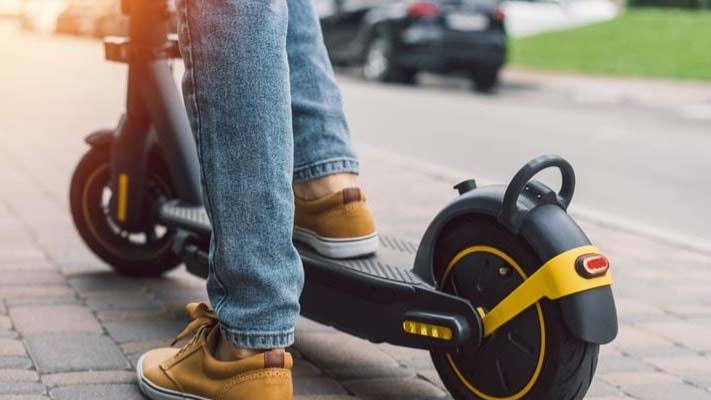
Electric scooters have become an increasingly visible part of modern transportation in the UK. As people look for practical ways to manage short journeys, avoid congestion, and explore alternative forms of mobility, two-wheeled electric technology continues to attract attention.
The growing interest in electric scooter uk reflects a wider shift toward compact and electrically powered transport. From commuters and students to leisure riders, different groups are becoming interested in how scooters can fit into everyday routines. Advances in battery technology, motor efficiency, portability, and design are also making electric scooters an increasingly discussed option within the broader conversation about urban mobility.
The Growing Interest in Electric Two-Wheeled Technology
Electric two-wheeled technology has developed considerably over the past several years. Modern electric scooters are generally designed around a combination of rechargeable batteries, electric motors, electronic controls, and lightweight structural components. These technologies allow manufacturers to create products that can provide assisted movement without relying on traditional fuel-powered engines. As battery systems become more efficient, manufacturers have also gained greater flexibility when designing scooters for different types of riders and journeys.
The growing interest is not simply connected to the technology itself. Changes in urban lifestyles have encouraged people to consider different ways of travelling short distances. A journey that may be inconvenient by car or too long to walk can make people curious about compact personal mobility devices. This has helped electric scooters become part of wider discussions surrounding convenience, technology, and changing transportation habits in modern cities.
Why Compact Transportation Appeals to Modern Riders
One of the main attractions of electric scooters is their compact nature. Compared with larger forms of personal transportation, many scooter designs occupy relatively little space and can be easier to handle when not being ridden. For people living in apartments, travelling through busy urban areas, or dealing with limited storage space, the physical size of a scooter can be an important consideration. Some models are also designed with folding mechanisms that make transportation and storage more manageable.
Convenience is another factor behind their popularity. Modern lifestyles often involve several short journeys during the same day, such as travelling to a station, moving between locations, or completing local errands. A compact electric vehicle can appear attractive for these situations because it is designed specifically around short-distance mobility. However, riders still need to consider the intended journey, local conditions, and the legal requirements that apply to electric scooters in the UK.
Battery Technology and Everyday Performance
The battery is one of the most important components of an electric scooter because it determines how electrical energy is stored and supplied to the motor. Improvements in rechargeable battery technology have helped manufacturers develop scooters with increasingly practical operating characteristics. Battery capacity, charging time, rider weight, terrain, temperature, riding behaviour, and other factors can all influence how far a scooter can travel between charges.
For everyday users, understanding battery performance is more useful than focusing solely on a manufacturer’s maximum range figure. Real-world conditions can produce different results from controlled testing environments. Frequent acceleration, hills, heavier loads, and cold weather can affect energy consumption. A sensible approach is therefore to consider how the scooter’s battery specifications relate to the rider’s actual routine. Charging habits and proper battery care can also contribute to maintaining dependable performance over time.
Design Features That Influence the Riding Experience
Electric scooter design has evolved beyond simply attaching a motor and battery to a basic frame. Manufacturers now consider factors such as deck construction, wheel size, suspension, braking systems, lighting, display controls, and overall ergonomics. These components can influence how comfortable and manageable a scooter feels during use. Different designs may therefore suit different environments and riding preferences.
Safety-related equipment is particularly important when evaluating a scooter. Effective braking, visible lighting, suitable tyres, and a stable riding platform can all contribute to better control. Some models also include digital displays that provide information such as speed and battery status. While technology can improve usability, riders remain responsible for operating the vehicle appropriately and understanding its limitations. Choosing equipment based on actual riding conditions is generally more useful than selecting a model purely because it contains the largest number of features.
Electric Scooters and Urban Commuting
Urban commuting is one area where electric scooters have generated considerable interest. Cities can present transportation challenges, including congestion, crowded public transport, limited parking, and relatively short distances between destinations. These conditions have encouraged discussion about smaller forms of personal mobility that could complement existing transportation systems.
However, commuting suitability depends on the specific journey and local regulations. In the UK, riders need to pay particular attention to where electric scooters can legally be used. Privately owned electric scooters are subject to different rules from rental e-scooters operating under government-approved schemes. This distinction is important because buying an electric scooter does not automatically mean it can legally be used on every public road or pavement. Responsible commuters should therefore check the latest official requirements before incorporating a scooter into their regular travel routine.
Portability and Storage in Everyday Life
Portability is another feature that can make electric scooters attractive to certain users. A folding scooter can be easier to store at home, transport in some circumstances, or keep in a relatively small space. This can be particularly relevant for people who do not have access to a garage, shed, or large storage area. Compact construction can also make it easier to move the scooter when it is not being ridden.
Nevertheless, portability can involve compromises. A lightweight scooter may have different battery capacity, motor characteristics, or structural features compared with a heavier model. Riders should therefore consider the balance between weight and performance rather than assuming that the lightest scooter is automatically the most practical. The ideal design depends on how often the scooter needs to be moved manually, where it will be stored, and the type of journeys it is expected to support.
Understanding UK Rules and Responsible Use
Electric scooter users in the UK need to understand the legal framework surrounding their use. Regulations can differ depending on whether the scooter is privately owned or being used as part of an authorised rental scheme. Rules can also cover matters such as where scooters may be ridden, licensing requirements, insurance, and other conditions. Because regulations can change, checking current government guidance is essential before riding.
Responsible use also extends beyond legal compliance. Riders should remain aware of pedestrians, other road users, weather conditions, road surfaces, and visibility. Appropriate protective equipment can provide an additional layer of protection, although equipment cannot eliminate every risk. Good riding behaviour means maintaining control, avoiding unnecessary distractions, and adapting speed and riding style to the environment. Understanding both the technology and the rules allows users to make more informed decisions about whether an electric scooter is suitable for their circumstances.
Maintenance and Long-Term Reliability
Like other personal transportation devices, electric scooters require appropriate maintenance. Regular checks can help identify problems before they become more serious. Tyres should be inspected for appropriate inflation and visible damage, while braking components should be checked for signs of wear. Electrical connections, lights, folding mechanisms, and other moving parts can also benefit from periodic inspection.
Battery care deserves particular attention because the battery represents a major part of an electric scooter’s technology. Following the manufacturer’s charging instructions and avoiding inappropriate charging conditions can help support long-term performance. Riders should also pay attention to unusual changes in battery behaviour, charging performance, or electrical operation. Maintenance requirements vary between models, so consulting the manufacturer’s instructions is preferable to applying assumptions from another scooter. Consistent care can help preserve functionality and make ownership more predictable.
Choosing a Scooter Based on Individual Needs
There is no single specification that determines whether an electric scooter is suitable for every rider. People have different priorities depending on their journeys, storage arrangements, experience, and budget. Someone looking for a compact option for occasional use may have different requirements from a person considering a scooter for regular private-property travel or an authorised rental journey.
Important factors can include battery capacity, motor output, scooter weight, braking system, tyre design, suspension, charging requirements, build quality, and available safety equipment. It is also sensible to consider after-sales support and replacement components. Rather than choosing a scooter based solely on marketing claims, potential buyers can compare specifications with their actual needs. A realistic assessment of where and how the scooter will be used can make the selection process considerably clearer.
The Future of Electric Scooter Technology
The development of electric scooters forms part of a wider movement toward electrification and compact mobility technology. Future models may continue to benefit from improvements in batteries, electronic controls, materials, connectivity, and energy efficiency. Manufacturers are also likely to continue experimenting with designs intended to improve portability, comfort, stability, and practical usability.
The future role of electric scooters in the UK will depend on both technological development and the regulatory environment. As cities and policymakers consider different approaches to transportation, questions around safety, infrastructure, parking, road use, and integration with public transport will remain important. For consumers, the most significant developments may not simply involve higher specifications but better alignment between technology and real-world transportation needs. As interest in alternative mobility continues, electric scooters are likely to remain part of the conversation surrounding how people move through increasingly connected urban environments.