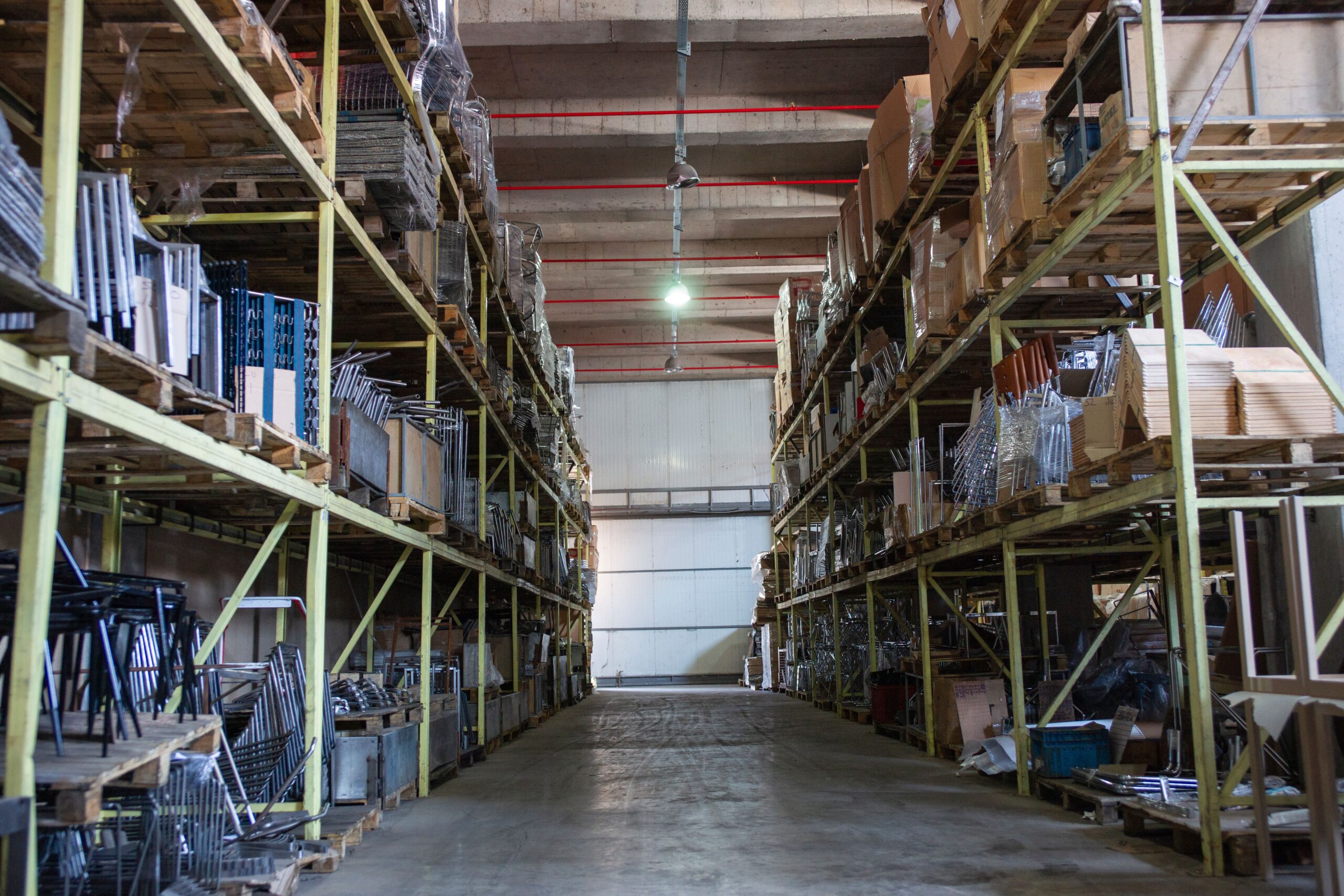
Warrington has become one of the North West’s busiest commercial hubs. New units keep opening, and demand for flexible industrial space keeps climbing. With that growth comes a familiar problem. Firms need to make every square metre of a unit earn its keep.
That is where flexible space division has caught on. An industrial curtain is a heavy hanging barrier that splits a large unit into smaller zones without a permanent build. Distributors such as AKON Curtains supply these systems across the UK. This guide explains why so many warehouse operators now choose them over fixed walls.
Why Is Warrington Such a Busy Business Hub?
The town sits where the M6, M62 and M56 motorways meet, which makes it ideal for logistics. That location has drawn warehouses, manufacturers, and distribution firms for decades, and the pace has not slowed.
The growth is easy to see. Local business parks keep filling, and one recent report covered a business park welcoming nine new firms across office and warehouse space. Each new arrival needs a unit that works hard from day one.
Demand for modern space is rising too. A major masterplan for the Bank Quay site aims to bring thousands of jobs and fresh workspace to the town. As units fill, getting the most from each one matters more than ever.
What Is an Industrial Curtain?
The term covers a range of hanging barriers, not one product. Most are made from heavy-duty PVC and hung from a track, so they slide aside when access is needed.
A thermal curtain is an insulated type designed to hold heat or cold in a single zone. It lets a firm warm only the area in use, instead of the whole unit. The saving on heating alone can be significant across a Warrington winter. Many operators recover the outlay within a single cold season.
Where Standards Matter
Quality counts once safety is in play. Reputable PVC curtains are tested against recognised standards, including BS 5867 Part 2 Type B for flame performance and BS 7837 for fire retardancy. The European classification EN 13501-1 covers fire reaction more widely. A buyer should always ask which standards a product meets.
Which Local Operations Benefit Most?
Plenty of Warrington premises gain from flexible division. The approach suits any unit whose use shifts through the week. Even a single divided zone can change how a unit runs day to day.
Photo by Jan van der Wolf on Pexels
Alt text: An industrial unit interior with roller shutter doors
- Distribution units. Split loading, packing, and storage into clear zones.
- Contain dust, noise, and sparks within one bay.
- Cold storage. Hold temperature in part of a unit, not all of it.
- Separate a dirty work area from a clean one.
- Mixed-use units. Reshape the floor as orders rise and fall.
Pick the two or three that match the operation. A simple floor plan shows how much usable room a divider unlocks.
How Do Curtains Compare to Building Walls?
The difference is sharp on cost and time. A permanent wall means planning, builders, and weeks of disruption. A curtain wall is fitted in days and moved whenever the work changes.
Heavy units carry real risks, and safe manual handling protects staff who move stock all day. Clear zones make that safer by keeping people and goods where they belong. As a UK distributor backed by a US parent group’s track record across 15 years of PVC specifier work, AKON Curtains supplies systems built for heavy daily use.
A few practical gains stand out:
- Heat or cool only the zone in use, not the whole unit.
- Reconfigure the layout as orders change.
- Contain dust and noise without a permanent build.
These benefits add up over a lease. A unit that flexes with demand avoids the cost of moving every time a firm grows.
What Should Operators Check First?
A short checklist keeps the project simple. Treat the layout as a working plan, not a one-off buy. Busy yards also need safe reversing routes, since reversing vehicles cause a large share of warehouse incidents, and clear zones help keep them apart from people on foot.
| Question to ask | Why it matters |
| How wide are the access routes? | Openings must fit forklifts and pallet trucks. |
| Which standards does it meet? | Flame and fire performance protect the team. |
| Are reversing vehicles managed? | Plan routes so lorries stay clear of people. |
| Can the layout move again? | Demand shifts, so plan for change. |
Map the unit once and the rest follows. A sketch of zones, doors, and routes prevents costly mistakes.
What to Remember
- Warrington’s growth means firms must use every square metre well.
- An industrial curtain divides a unit without a permanent build.
- Thermal versions let a firm heat only the zone in use.
- Look for BS 5867, BS 7837, or EN 13501-1 compliance.
- Keep forklifts, people, and fire exits clearly separated.
- A curtain wall is fitted in days and moved whenever work changes.
A Smarter Way to Use a Unit
The best industrial space is the one that adapts. Zone the floor, divide it where it helps, and heat only what is in use. These steps cost little, suit almost any unit, and let a growing Warrington firm get more from the space it already pays for.
Frequently Asked Questions
What Is an Industrial Curtain Used For?
It divides a large unit into smaller working zones without permanent walls. Operators use it to separate storage, packing, or production areas, to contain dust and noise, and to hold heat in one part of a building rather than the whole space.
Are Industrial Curtains Cheaper Than Walls?
Generally, yes. A curtain wall costs a fraction of permanent construction and can be moved later. It is fitted in days rather than weeks, which suits any operation whose space needs change through the year.
Do Industrial Curtains Meet Fire Standards?
Quality PVC curtains are tested against recognised standards such as BS 5867 Part 2 Type B and BS 7837, with EN 13501-1 covering European fire classification. Always confirm with a supplier which standards a specific product meets.
Can a Curtain Divider Be Reconfigured Later?
Yes, and that flexibility is the main appeal. The system hangs from a track rather than being built in. A firm can reposition or extend it as the layout changes, which suits growing or seasonal operations.