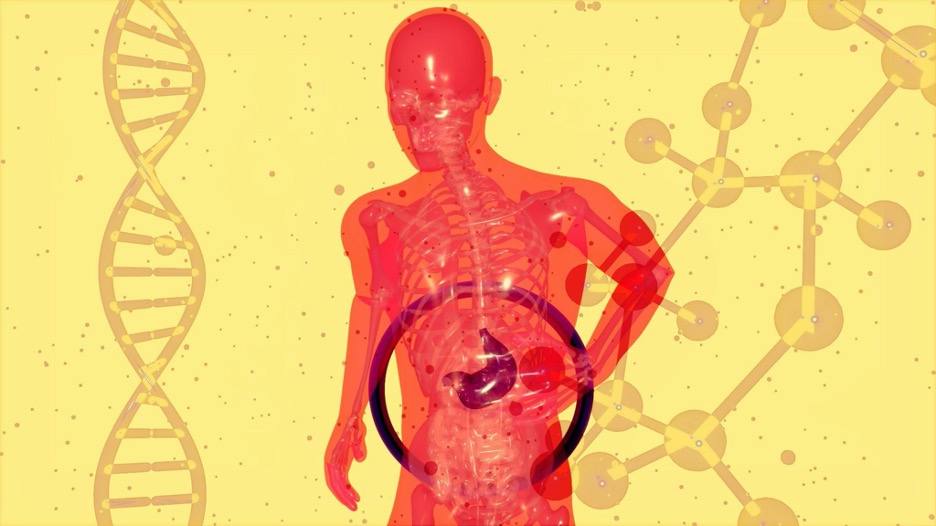
Interest in gut health has moved from niche discussion to something far more visible across everyday life. In towns like Warrington, it is no longer limited to specialist clinics or nutrition circles.
It shows up in supermarkets, GP conversations, workplace wellbeing programmes, and even casual discussions about diet and routine.
This shift is not random. It is being driven by a mix of scientific research, consumer awareness, and practical concerns about long-term health. The gut, once seen mainly as part of digestion, is now understood as a system connected to immunity, metabolism, and even brain function.
Why Gut Health Has Become More Visible
The rise in attention is tied to how the microbiome is being studied and explained.
The gut microbiome refers to the trillions of microorganisms living in the digestive system. Research over the past decade has linked it to a wide range of functions, from nutrient absorption to immune response. More recent work has gone further, suggesting that gut bacteria may influence cognitive decline and neurological conditions.
At the same time, public awareness has increased.
Search interest, media coverage, and wellness trends have all contributed to making gut health part of everyday language. The commercial market around it has expanded as well, with probiotics, fibre-based foods, and microbiome testing services becoming widely available in the UK.
This combination of science and accessibility is what brings the topic into local focus.
From Specialist Topic to Daily Habit
What used to be discussed mainly in clinical settings is now part of daily routines.
People are adjusting diet choices, looking at ingredient labels more closely, and paying attention to how food affects digestion. Fermented foods, fibre intake, and meal timing are being talked about more openly than before.
At the same time, there is a noticeable shift away from short-term fixes.
There is no single product or shortcut that defines gut health. A balanced diet with diverse fibre sources remains the most consistent recommendation.
This keeps the conversation grounded in practical habits rather than trends alone.
How New Products and Concepts Are Shaping the Conversation
Alongside dietary changes, there is a growing interest in products designed to support gut health more directly.
This is where advanced formulas like Enclave begin to appear in the wider conversation.
They are positioned around microbiome support rather than single nutrients. Instead of focusing only on probiotics, which introduce specific bacteria, newer formulations often combine prebiotics, plant compounds, and other bioactive ingredients intended to support the overall gut environment.
Why the Focus Is Shifting Beyond Probiotics
For years, probiotics dominated the conversation. Now, the focus is broader.
There is increasing attention on how diet, fibre diversity, and metabolic by-products affect the gut ecosystem as a whole. Research into “biotics” now includes prebiotics and postbiotics, reflecting a more complex understanding of how gut bacteria function together.
This has led to a more layered approach.
Instead of asking which single supplement works, the question has shifted toward how different inputs support balance across the system.
The Role of Personalisation
Another development is the move toward personalised gut health.
Some services now offer microbiome testing, where individuals send samples for analysis and receive tailored dietary advice. This approach has gained traction in the UK, with strong uptake from consumers interested in more targeted recommendations.
However, the science is still developing.
While personalised insights can be useful, many experts caution that the core principles of healthy eating remain consistent regardless of individual variation.
What Local Trends Look Like in Practice
In Warrington, the shift is visible in practical ways rather than abstract ones.
Supermarkets carry more fibre-enriched products and fermented foods. Cafés and food outlets are adapting menus to include options that align with digestive health trends. Local fitness and wellness spaces are incorporating nutrition advice into their programmes.
At the same time, conversations around digestive issues have become more open.
Conditions that were rarely discussed publicly, such as bloating or irregular digestion, are now more commonly addressed in mainstream health content. This reflects a broader willingness to engage with preventive health rather than waiting for clinical intervention.
The Link Between Lifestyle and Gut Health
Lifestyle factors play a significant role.
Diet remains central, but other elements also matter. Hydration, sleep, stress levels, and physical activity all influence how the digestive system functions. Research increasingly points to the gut as part of a wider network rather than an isolated system.
This is why advice has become more holistic.
Rather than focusing only on what people eat, there is more emphasis on how daily routines support or disrupt overall balance.
Where the Risks of Misinformation Appear
With increased attention comes increased noise.
Social media has played a role in spreading awareness, but it has also introduced simplified or exaggerated claims. Quick fixes, restrictive diets, and unverified supplements often gain visibility because they promise immediate results.
This creates a gap between perception and reality.
Gut health develops over time and is influenced by consistent habits rather than isolated interventions.
Recognising Practical Advice
Reliable guidance tends to focus on fundamentals.
A varied diet rich in fibre, regular meals, and balanced nutrition remain the foundation. More advanced approaches, such as supplementation or testing, are typically positioned as additions rather than replacements.
This distinction is important as the market continues to expand.
Why Research Is Driving the Shift
The increase in attention is not only consumer-driven.
Scientific research continues to uncover new links between the gut microbiome and broader health outcomes. Studies have explored connections between gut bacteria and conditions ranging from metabolic disorders to neurological diseases.
Changes in gut microbiota may even signal the early stages of conditions such as Parkinson’s disease.
This kind of research moves gut health from a lifestyle topic into a medical one. It also explains why investment and interest continue to grow.
How the Market Around Gut Health Is Expanding
The commercial side of gut health has developed quickly.
Functional foods, supplements, and diagnostic tools are now part of a growing market driven by consumer demand. Products are increasingly positioned as part of daily routines rather than occasional use.
This includes:
- Fibre-enriched snacks
- Fermented food products
- Microbiome-focused supplements
- Testing services
The expansion reflects both demand and accessibility.
As products become easier to find, they become more integrated into everyday habits.
What This Means for Local Communities
For towns like Warrington, the shift is not about adopting a trend. It is about how health awareness integrates into daily life.
People are making small adjustments rather than large changes.
They are choosing different foods, paying attention to digestion, and considering how lifestyle affects long-term health. These changes are gradual, but they accumulate.
Local organisations, workplaces, and health services are also adapting to reflect this shift.
What Actually Lasts Beyond the Trend
Gut health is unlikely to fade as a topic.
The reason is simple. It is tied to multiple areas of health rather than a single outcome. As research continues to expand, the relevance of the microbiome is likely to remain.
At the same time, the approach is becoming more practical.
The focus is moving away from quick fixes and toward consistent habits supported by better information. Products and services will continue to evolve, but the underlying principles remain stable.
In Warrington and across the UK, gut health is becoming less of a trend and more of a baseline consideration in how people approach everyday wellbeing.