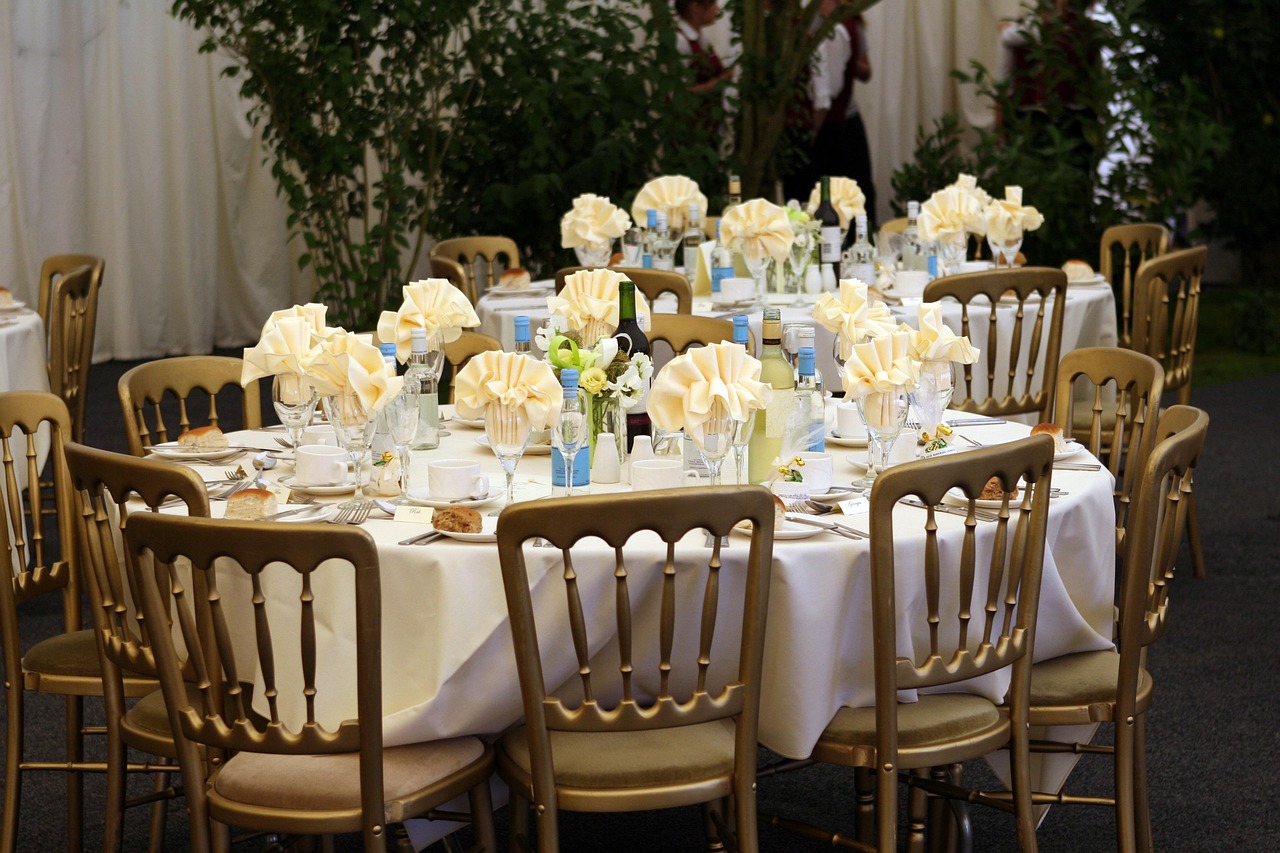
Food can make or break a wedding. I’ve seen guests remember an incredible meal years later, and I’ve also watched people quietly disappointed as lukewarm chicken sat sadly on their plates.
Choosing a caterer isn’t just about finding someone who can cook. It’s about finding someone who gets your vision, handles the logistics, and won’t disappear when things get messy. So here’s the thing: you need to ask the right questions. Not the polite ones. The real ones.
What’s Your Actual Service Style
This might sound basic but trust me, it’s where a lot of couples trip up. Are we talking plated service, buffet, family style, or those trendy grazing tables everyone’s obsessed with? Each one changes the whole vibe of your reception.
Plated service looks elegant & formal. But it requires more staff and honestly, more coordination. Your caterer needs to know exactly who ordered what, and that information has to flow seamlessly from the RSVP cards to the kitchen. I’ve seen this go wrong when Aunt Margaret gets the fish instead of the vegetarian option she specifically requested. Not great.
Buffets feel relaxed and give guests choice, but they can create bottlenecks. Ever watched 150 people queue for food? It takes longer than you think. Family style feels intimate and encourages that sharing vibe, but it’s chaotic if your tables are too small or your guests are particularly… enthusiastic about portions.
Ask your caterer which style they’re most comfortable with. Some do everything. Others specialise. You want someone confident, not someone winging it.
How Do You Handle Dietary Requirements
Right, so everyone has a dietary need these days. Gluten free, vegan, nut allergies, lactose intolerant, pescatarian… the list goes on. And honestly? That’s fine. But your caterer needs a SYSTEM.
Don’t just ask if they can accomodate dietary needs. Of course they’ll say yes. Ask HOW. Do they prepare allergen free meals in a separate area? How do they track who gets what plate? What happens if someone forgets to mention their allergy until the day of?
I think the best caterers treat dietary requirements as an opportunity to be creative, not an inconvenience. You don’t want your vegan guests getting a sad pile of steamed vegetables while everyone else tucks into something spectacular. It should feel thought through. Perhaps even special.
Also, and this is important, find out if there are additional charges for alternative meals. Some caterers charge extra. Some don’t. You need to know upfront so there are no nasty surprises when the final invoice arrives.
Staff to Guest Ratios Matter More Than You Think
Here’s something most couples never consider until it’s too late. How many staff will actually be there on the day?
For a plated dinner, you generally want one server for every 10 to 15 guests. Buffet style can stretch that ratio a bit, maybe one staff member for every 25 guests, but you still need people managing the line, refreshing dishes, and clearing plates. If your caterer is being vague about numbers, that’s a red flag. A big one.
Understaffing creates chaos. Drinks sit empty. Plates pile up. Guests start clearing their own tables because no one else is. That’s not the vibe you want at your wedding.
And it’s not just about servers. Who’s running the bar? Who’s coordinating with the venue? Who’s handling the breakdown at the end of the night? These are real logistical questions that deserve real answers.
Can We Actually Taste the Food First
You wouldn’t buy a car without a test drive, right? Same principle applies here. Tasting sessions should be standard, not an optional extra you have to beg for.
Some caterers include one tasting in their package. Others charge for it. Either way, you NEED to taste the food before you sign anything. And I don’t mean just one dish. You want to try the actual menu you’re considering, prepared the way it will be on the day.
Pay attention to presentation too. Does it look appealing? Is the portion size reasonable? How does it taste after sitting for a few minutes, because that’s the reality of catering large events. Food doesn’t go straight from the kitchen to the plate. There’s always a window.
Also, bring someone whose opinion you trust. Your mum, your best friend, someone with a decent palate. You’ll be emotional & excited during the tasting. Having a second perspective helps keep things grounded.
What Are the Hidden Costs
Ah yes. The extras. The bits that suddenly inflate your quote from £5,000 to £7,500.
Ask about EVERYTHING that might cost extra. Cake cutting fees (yes, that’s a thing). Corkage if you’re bringing your own wine. Travel charges if the venue is outside their usual area. Equipment hire like tables, linens, glassware. Service charges, VAT, gratuities. It adds up fast.
Some caterers bundle everything into one price. Others itemise every single thing. Neither approach is wrong, but you need clarity. Get it all in writing. Every last detail.
And don’t be shy about negotiating. Wedding catering is competitive. If something feels unreasonable, say so. The worst they can do is say no.
How Do You Handle Venue Logistics
Not all venues are created equal. Some have fully equipped kitchens. Others have a sink and a microwave. Your caterer needs to know what they’re working with, and you need to know if they can handle it.
Have they worked at your venue before? If yes, brilliant. They’ll know the layout, the quirks, where the power outlets are. If no, are they willing to do a site visit beforehand? They should be. Any professional caterer worth their salt will insist on it.
What equipment do they need to bring? Generators, portable ovens, refrigeration units? Who’s responsible for setup and breakdown? What time do they need access to the space? These aren’t glamorous questions but they’re crucial ones.
And here’s something people forget… what’s the contingency plan if something goes wrong? What if the oven breaks? What if a delivery is late? What if it absolutely pours with rain and your outdoor reception needs to move inside? You want a caterer who stays calm under pressure, not one who panics at the first hiccup.
What Happens After the Contract Is Signed
So you’ve chosen your caterer, signed the contract, paid the deposit. Now what?
You need to understand the timeline. When do final numbers need to be confirmed? How close to the wedding can you make menu changes? What’s the payment schedule? When’s the final balance due?
Good caterers stay in touch. They check in as the date approaches. They confirm details. They ask questions. If yours goes silent for months and then suddenly resurfaces a week before the wedding, that’s… not ideal.
Also, and this might sound paranoid but it isn’t, what happens if they need to cancel? It’s rare but it does happen. Businesses fold. Emergencies occur. You want to know there’s a backup plan, ideally written into the contract. Will they find a replacement? Do you get your deposit back? These are uncomfortable questions but necessary ones.
The Bottom Line
Choosing a wedding caterer is part practical planning, part gut instinct. You can ask all the right questions, check all the boxes, and still end up with someone who just doesn’t feel right. And that matters too.
The best caterers listen more than they talk. They ask about your vision, your priorities, your budget. They offer suggestions without being pushy. They’re honest about what works and what doesn’t. And they make you feel confident that on the day itself, the food side of things will just… work.
Because here’s the truth. Your guests might not remember the colour of the napkins or the exact wording of your vows. But they’ll definitely remember if they were hungry, or if the food was cold, or if service was slow. Food is one of those foundational elements that supports everything else.
So take your time. Ask the difficult questions. Trust your instincts. And choose someone who treats your wedding like it matters, because it absolutely does.