A Warrington fruit farm has used a six-week AI accelerator to build its own ticketing platform, cutting software costs by more than 90% and reinvesting the savings in creating new jobs.
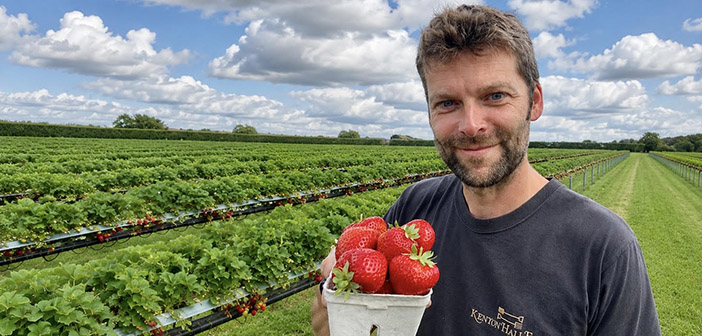
James Bulmer is part of the family behind Kenyon Hall Farm where his family has operated for more than 500 years.
The farm’s popular Pick Your Own events attract thousands of visitors, but its existing third-party ticketing system was expensive and lacked the flexibility James wanted to manage bookings around changing fruit availability.
Through the University of Salford’s BUILD AI programme, James built a bespoke platform tailored specifically to the farm’s needs.
The technology is now live and used by around 10,000 people a week during peak periods. It allows James to control ticket availability in ten-minute intervals, tailor information sent to customers and manage the system from his phone.
The platform has cut annual software costs by more than 90%, saving thousands of pounds which the farm has been able to reinvest in recruiting more seasonal staff, including summer jobs for local students, and improving the visitor experience.
James said: “What started as a six-week programme has become something we now rely on every day, helping thousands of customers enjoy their visit to the farm while saving the business thousands of pounds every year.
“BUILD AI hasn’t just given me one solution. It’s completely changed how I think about solving challenges within our business.”
Across the 12 participants, the programme has already helped take four products to launch or near-launch, put six working prototypes into testing and accelerated two existing technology ventures.
BUILD AI (Business Uplift, Innovation and Lean Development through Artificial Intelligence) was developed by the University of Salford’s Centre for Sustainable Innovation (CSI) and delivered in collaboration with NoCodeLab.ai.
The programme combined hands-on AI development with commercialisation support and mentoring, helping participants rapidly build and test their ideas while exploring how they could become viable products and businesses.
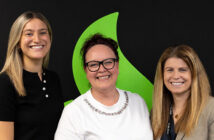
Dr Ann Mulhaney, Associate Professor for Change Management at the University of Salford’s Centre for Sustainable Innovation, said: “When we created BUILD AI, we wanted to open up AI development to people with brilliant ideas but who might never have thought of themselves as tech builders. These entrepreneurs know their businesses, their industries and the problems they want to solve inside out. What they haven’t always had are the technical skills or resources to turn that knowledge into a product. We wanted to change that.
“In just six weeks they’ve built working products, tested ideas with real customers, launched new solutions and taken businesses forward at incredible speed. That’s what excites me about AI. Put these tools into the hands of talented, ambitious people, give them the right support and confidence, and it’s amazing what they can build.”
Participants are now taking their innovations into the next stage, from customer testing and product refinement to commercial launch, investment and further development.
Sara Simeone, founder of NoCodeLab.ai, said: “One of the most exciting things about AI-assisted development is the speed at which entrepreneurs can now experiment. They can build something, put it in front of users, learn what works and what doesn’t, and improve it without spending months and huge amounts of money getting to that point.
“BUILD AI gave participants the space to do that alongside other founders, mentors and experts who could challenge their thinking and share their experience. That combination of rapid experimentation and a supportive community has helped people make huge strides in a very short space of time.”