
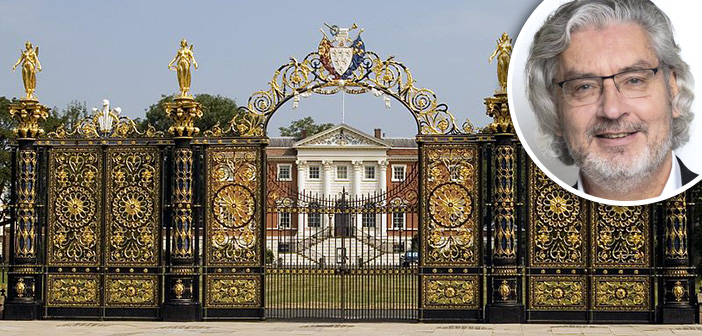
THERE comes a point when difficult conversations can no longer be postponed. For Warrington Borough Council, that point has long since arrived.
For years, concerns over the council’s commercial borrowing and mounting debt were dismissed by some as political point-scoring. Those warnings now look less like opposition rhetoric and more like an uncomfortable reality.
The figures speak for themselves. The council has a projected budget gap of almost £179 million over the next four years, while ministerial envoys (at considerable cost) have been forced to step in with exceptional financial support simply to enable the authority to set a legal budget. Around £40 million of savings have already been identified, but everyone accepts that much deeper cuts lie ahead.
Every service is now under review as the council attempts to resize itself to live within its means.
No-one should underestimate what this means.
Behind every line in a budget report are real people. It means difficult decisions about libraries, community facilities, leisure provision, staffing levels, highways, environmental services and the countless local services residents often take for granted until they disappear.
The irony is that many of those hardest hit will be the very people who had no part in creating the problem.
To its credit, the current administration has finally accepted that the previous commercial investment model exposed the council to unacceptable levels of risk.
The authority has acknowledged that while the investment programme generated significant income over many years, falling asset values, rising borrowing costs and years of unaudited accounts have left the borough facing an unprecedented financial challenge.
But accepting responsibility is only the beginning.
Residents deserve complete transparency. They deserve to know what services are under threat, what alternatives are being considered and what the long-term recovery plan looks like. Difficult decisions are easier to accept when people understand why they are being made.
Equally, this should not become a blame game played out across party political lines. The focus must be on finding solutions rather than scoring points.
The envoys, who choose to remain invisible, remain overseeing the council’s recovery, and their presence serves as a constant reminder of just how serious the situation has become. Warrington’s reputation has taken a significant knock, yet this remains a borough with enormous strengths – thriving businesses, world-class logistics, advanced manufacturing, a growing economy and resilient communities.
Those strengths should not be overshadowed by financial failure.
The road ahead will be painful. There will be service reductions that few people welcome. There will be difficult choices that no councillor ever wanted to make.
But there is one thing that would be even worse than making those decisions: pretending they can somehow be avoided.
Warrington has faced adversity before and emerged stronger. It can hopefully do so again. That will require honesty, transparency, political courage and, above all, a shared determination to restore confidence in the council’s finances.
The time for denial has passed. The time for rebuilding has begun.
As always we will try our best to fly the flag for Warrington – but it is becoming increasingly difficult!





7 Comments
In saying the solution needs to be the target without blaming on political lines you are being very generous. Part of the solution may involve accepting that former political positions caused the problem and making sure that they are not repeated,
Why haven’t the people who have caused the problems not been sacked, or investigated, seems a handful of people have been responsible for this debt and walked away and we have to pick up the bills
Nice politispeak words – but what are you going to DO?
Well, the problem arose because the Labour party in Warrington decided not to allow the austerity cuts of Osbourne to affect them. They decided to borrow money from central government to create a second income stream because, although they knew is was not allowed, no court had ruled it improper. So they decided to take on the will of the elected central government. And here we are. All parties need to promise not to be so stupid in future.
How about you appoint member of the public from each borough of Warrington that will take their posts for free except for expenses.
They will then form a think tank & hit squad to decide amongst them where the savings should be made & what services or departments cut.
Then vote accordingly amongst themselves too
I think that would be a fairer & more democratic way as NOBODY trusts WBC one little bit anymore.
The full Council needs changing.
They have had it all their own way for too long & the rot & corruption has long set in
How about you appoint member of the public from each borough of Warrington that will take their posts for free except for expenses.
They will then form a think tank & hit squad to decide amongst them where the savings should be made & what services or departments cut.
Then vote accordingly amongst themselves too
I think that would be a fairer & more democratic way as NOBODY trusts WBC one little bit anymore.
The full Council needs changing.
They have had it all their own way for too long & the rot & corruption has long set in
Ironic really that Osbourne had to introduce austerity to counter the recklessness of the previous Labour government.
At a WBC level though, is there no retro accountability that can be levelled at the big spenders?