THE RSPCA is urging kind-hearted people to think carefully before intervening with baby birds, as admissions continue to rise and the charity prepares for a further peak in June.
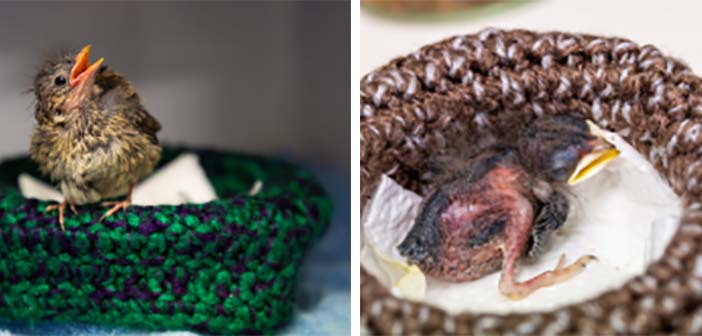
Over half of the young birds being brought into RSPCA wildlife centres are nestlings – those still in the early stages of development. While a number of these birds do need help and specialist care, the charity says they are too often seeing baby birds being brought in that had not needed rescuing.
New figures show a continued increase in the number of baby birds being brought to the RSPCA, with this spring already seeing a noticeable rise compared to last year. Around one in five of those brought in are grounded or inexperienced juveniles.
March and April 2026 saw a 22% rise in the number of nestlings brought into RSPCA centres, compared with the same period last year (152 v 125) – despite many of these birds not usually needing intervention.
As the peak season for baby birds continues this month, the charity expects these numbers to rise even further. June is consistently the busiest month for baby bird admissions, with 748 brought in last year – nearly four times the monthly average.
And while very young birds can be vulnerable, there are many that are simply learning to fly or explore outside the nest – a normal and essential stage of development.
The RSPCA is warning that, although well-meaning, removing baby birds from the wild unnecessarily can actually do more harm than good., Unless they are in critical need of specialist care, the best place for these young birds is being cared for by their parents in the wild.
Last year saw a 9% increase overall in the numbers of young birds being brought to the RSPCA (2,477 in 2025 v 2,279 in 2024) and, with the peak baby bird season now underway, the charity expects further increases as more fledglings and nestlings are encountered by the public.
However, the best way people can help baby birds is by checking the RSPCA’s advice before intervening – as how people should respond depends on whether the bird is a nestling or a fledgling.
People can also help by sharing this advice to reach even more animal lovers.
The RSPCA says:
• Nestlings (no or few feathers) – Re-nest if possible: Nestlings won’t survive long outside the nest, so if safe to do so put them back in the nest and leave them in the wild – but make sure you are not disturbing other nesting birds If they may be injured, please take them to a vet.
• Fledglings (have feathers) – Don’t disturb. It’s normal for fledglings to be on the ground as they may leave the nest as they practise flying. Parents are often nearby and feeding the bird. If they may be injured, please take them to a vet.
Rebecca Machin, wildlife expert at the RSPCA said: “We know there are so many kind-hearted wildlife lovers who want to do their bit to help, especially if a baby bird has been found out of their nest, but it’s really important that they take a moment to check whether that little bird actually needs help.
“Finding a feathered baby bird out of the nest is completely normal and – unless they’re sick or injured – it’s in their best interest to leave them be, and keep any pets well away. The parents are often nearby, keeping a close watch.
“If you do find a baby bird out of their nest, and you’re worried, the best thing to do is to follow advice on our website.”
More detailed guidance from the RSPCA on how to help baby birds includes:
Helping nestlings:
• Nestlings have little to no feathers, and won’t survive long outside the protection of the nest
• Where possible, nestlings should be placed carefully back in the nest (make sure it’s the right one) so their parents can keep caring for them – but be aware that disturbing nesting birds is an offence so sometimes it is best to leave them be
• If handling, wear gloves and wash your hands afterwards
• If you still have concerns visit the RSPCA website for more information about how to contact your local vet or wildlife centre.
How you can help fledglings
• If they have all or most of their feathers, they are likely to be a fledgling.
• It’s normal to see them on the ground, as they leave the nest just before they can fly.
• Unless they’re sick or injured, leave the fledgling alone and monitor them from a distance for at least two hours, as the parents are usually nearby and feeding the bird.
• If they’re in immediate danger, place them in a sheltered spot a short distance away.
• Even if you have already confined a healthy fledgling, you may still be able to return them to their parents.
• Keep your pets, and other people if possible, away from them.
The advice applies to most garden birds, although different guidance is given for species such as swans, gulls, birds of prey, swifts, and members of the crow family.
The RSPCA is urging people to choose kindness this summer and make a difference for animals.