Choosing between glass and flexible solar panels is a common consideration for motorhome and RV owners. Once you break down how each type performs on a vehicle rather than a stationary rooftop, one option is generally better suited to the task.
Glass Panels Are Primarily Designed for Stationary Installations
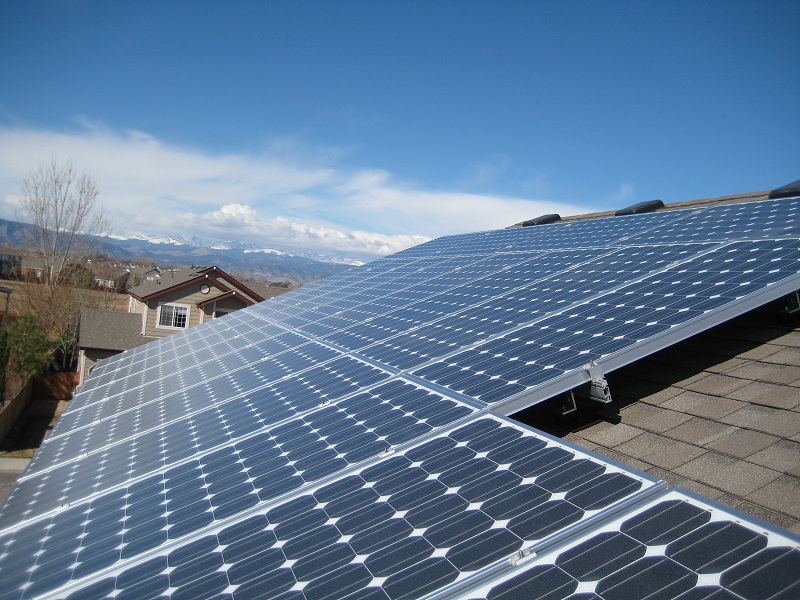
Glass panels were primarily designed for rooftops that stay in place. They are heavy and rigid, and most require a raised frame to sit properly and allow airflow underneath. This works well on a house, but not on a motorhome that regularly encounters bumps, potholes, and constant vibration. This extra weight may slightly affect fuel efficiency, and the rigid build increases the risk of cracking as the roof flexes slightly over time. Constant vibration can also place more stress on a glass-panel setup than the conditions it was originally designed to withstand.
Where Flexible Panels Have an Advantage
This is where flexible, thin-film solar panels for motorhomes offer an advantage. Without a glass layer, these panels are significantly lighter, and their ability to bend slightly allows them to follow the curve of the roof rather than sit rigidly on top of it. This lower profile can also improve aerodynamics, which some owners notice on longer drives. Installation also tends to be simpler, since there is no frame to build first. Many of these panels come as complete kits, with mounting hardware, adhesive, and wiring bundled together, reducing the need to assemble multiple separate components to get the system running.
Kits Can Simplify Installation
This may be one of the most overlooked aspects of the comparison. Instead of requiring brackets, a frame, and separate wiring runs, most flexible setups install as a single unit. Fewer components to assemble also means fewer parts that can loosen over time from constant vibration. For those converting a van or upgrading an existing RV, this simplicity becomes especially valuable for self-installation.
Trucks Face the Same Challenge
This issue is not limited to RVs. Solar panel setups for semi trucks face the same challenges: limited roof space, constant vibration, and the need to minimize added weight. Flexible panels tend to perform well under these conditions, which is likely why fleet operators running long-haul routes have started adopting the same technology already used by many RV owners. The vehicle differs, but the underlying problem and solution remain largely the same.
The Tradeoffs of Choosing Glass Panels
This does not mean glass panels are inherently inferior. On a stationary rooftop, they can last a long time with minimal maintenance. However, the same qualities that make glass panels durable in a stationary setup become disadvantages on a vehicle. The added weight can place additional strain on the roof structure and may slightly affect fuel efficiency. Reduced flexibility means less tolerance for bumps or minor impacts, and repairing a cracked glass panel may cost more and take longer than repairing a flexible one, depending on the panel and installation. For any vehicle in regular use, this tradeoff does not hold up the same way it does for a stationary structure.
Which Option Should You Choose?
For a motorhome solar panel build, flexible panels are generally the better choice when weighing overall weight, ease of installation, and durability under the vibration of regular driving. Glass panels still have their place, primarily in stationary setups where weight and vibration are not concerns. But for solar installations on any vehicle, whether a full-time RV, a van build, or a motorhome used only seasonally, flexible panels tend to be the more practical option. This is not a strict rule for every case, but for most owners, it is generally the more suitable option.
FAQs
Do flexible solar panels produce as much power as glass panels?
This depends on the brand and manufacturer. Some flexible panels produce slightly less power per square foot. However, for most motorhome setups, this difference is small enough that it does not outweigh the benefits in weight reduction and ease of installation.
Can flexible solar panels be installed without professional help?
Many kit systems are designed for do-it-yourself installation, largely because they eliminate the need for a raised frame. Some owners still choose to hire a professional to ensure the wiring and sealing are done correctly.
How long do flexible solar panels typically last on an RV?
This largely depends on the material and the level of sun exposure, heat, and road vibration the panel experiences over time. Some manufacturers state that the lifespan can be comparable to glass panels, though real-world results vary depending on climate, installation quality, and usage conditions.