Streaming was supposed to make watching films easier. In one sense, it has. Thousands of titles are available without leaving the sofa, and viewers no longer have to arrange an evening around a cinema timetable.
Yet convenience has also created a strangely flat experience: endless scrolling, half-watched films and recommendations that start to feel suspiciously similar.
Against that backdrop, community cinema is finding a new audience.
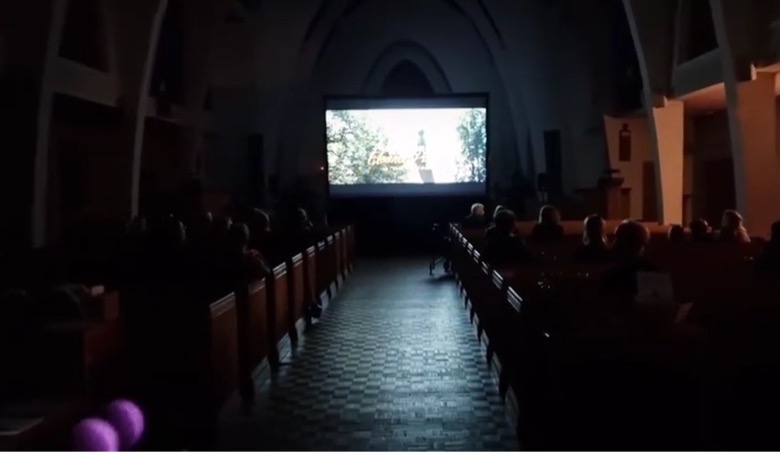
These screenings take place in village halls, arts centres, pubs, libraries and repurposed public spaces. Some resemble small independent cinemas, while others appear for one evening each month, run by volunteers who put up a screen, arrange the chairs and welcome familiar faces at the door.
They can’t compete with streaming platforms in terms of volume. That is precisely why they work.
A Reason to Stop Scrolling
Choosing a film at home can become the main activity of the evening. One person suggests a comedy, someone else wants a thriller, and half an hour disappears into trailers and review scores. Even after a decision is made, phones remain within reach and the pause button makes it easy for attention to drift.
A community screening removes most of those decisions. There’s a film, a place and a starting time. People turn up because they’ve chosen to give that particular story their attention.
This doesn’t mean home viewing is disappearing. Streaming remains useful, especially for catching up on films or accessing titles that are unavailable locally. Viewers who watch films through a laptop may also pay closer attention to digital privacy, secure connections and regional availability. Those using a Windows device can, for example, learn how to set up CyberGhost on their Windows computer as part of managing their wider online activity.
But watching at home and attending a community cinema aren’t really trying to solve the same problem. One provides access. The other creates an occasion.
That distinction matters at a time when entertainment is increasingly consumed alone and in fragments. A local screening asks viewers to arrive, settle down and experience a film from beginning to end alongside other people.
Smaller Venues Can Make Braver Choices
A multiplex must fill several screens throughout the day, which naturally puts commercial pressure on its programming. Community cinemas operate on a different scale. A single monthly screening can be built around what local organisers believe their audience will enjoy, discuss or find surprising.
The result might be a recent British drama, a restored classic, a documentary, a foreign-language film or a family favourite during the school holidays. Some groups ask audiences to vote on future titles. Others build programmes around local events, anniversaries or themes.
That flexibility gives community cinema its personality. The programme is selected by people rather than generated from viewing data. Not every choice will appeal to everyone, but that’s part of the point. A good local film night can introduce audiences to something they’d never have selected from a streaming homepage.
It can also restore a useful element of trust. Regular visitors begin to recognise the taste of the organisers and may attend without knowing much about the film. In an entertainment culture built around personalised recommendations, there’s something refreshing about allowing another person to make the choice.
The Screen Is Only Part of the Evening
Commercial cinemas are generally designed to move audiences efficiently from the foyer to the auditorium and out again. Community venues tend to be less anonymous. People arrive early, buy a drink, meet neighbours and remain for a conversation afterwards.
That social element isn’t an added extra. For many visitors, it’s the main difference between a local screening and watching the same film at home.
Warrington already offers a clear example. Community cinema launched at Grappenhall two years ago, with monthly films planned for the Olde Barn at Grappenhall Community Centre. The initial programme combined recent releases and familiar titles with affordable tickets, refreshments and a relaxed setting.
The model is straightforward, but its value goes beyond the film being shown. A venue that may be used for meetings, classes or community activities during the week becomes a shared cultural space for an evening. Residents don’t need to travel into a city centre, arrange an expensive night out or commit to a membership.
For older viewers, local screenings can offer an accessible evening in familiar surroundings. Families may appreciate events with a less formal atmosphere than at a large cinema. People attending alone can feel more comfortable in a room where conversation is part of the experience.
Not every screening needs to become a major event. Sometimes the attraction is simply having somewhere nearby to go.
Affordable Doesn’t Have to Mean Basic
Community cinema often depends on volunteers, borrowed spaces and careful budgeting. That can suggest a makeshift operation, but many groups now use high-quality projectors, proper sound equipment and licensed film-distribution arrangements.
The experience is different from a multiplex, though not necessarily inferior. A smaller room can feel more intimate, particularly for documentaries, classic films and character-driven dramas. Even the imperfections—a temporary bar, homemade signs or volunteers checking tickets—can make the evening feel more personal.
Lower operating costs can also help keep ticket prices manageable. This matters when households are being selective about leisure spending. A community film night offers a modest, predictable outing without requiring audiences to pay for travel, premium seating or a full meal.
Still, affordability alone won’t build a loyal audience. Programming, reliability and communication matter. Visitors need to know what’s being shown, when tickets are available and whether the venue meets their accessibility needs. Successful groups tend to develop a recognisable rhythm, whether that means one film on the same evening each month or a short seasonal programme.
A Century-Old Idea Finding a New Purpose
Film societies are not a response invented for the streaming age. Britain’s first film society was founded in 1925 to show work that commercial cinemas were overlooking. The technology and viewing habits have changed, but the basic motivation remains familiar: people want to discover films and watch them together.
The Guardian’s reporting on the rise of Britain’s community cinemas noted that more than 1,600 community screens operate around the UK. Their settings and audiences vary widely, from rural film clubs to groups focused on international cinema or particular communities.
Their renewed relevance is not necessarily evidence that audiences have rejected streaming. Most people will continue to use both. Instead, it suggests that abundance has made curation and shared experience more valuable.
When almost any film can be started at any time, a specific screening on a specific night begins to feel distinctive again.
Local Culture Needs Places to Happen
Community cinemas won’t replace large theatres, multiplexes or streaming subscriptions. Nor should they try. Their strength lies in occupying the space between home entertainment and a major night out.
They give existing venues another purpose, create opportunities for volunteers and offer local audiences a cultural event that can be shaped around the character of the area. Over time, a regular screening can become part of a town or village’s routine—not because every film is unmissable, but because the evening itself is worth attending.
Streaming made film libraries larger than previous generations could have imagined. Community cinema answers a different need: not more things to watch, but better reasons to gather.
That may be why a screen in a local hall can still compete with millions of titles at home. It offers something no algorithm can schedule on a viewer’s behalf—the feeling of being part of an audience.