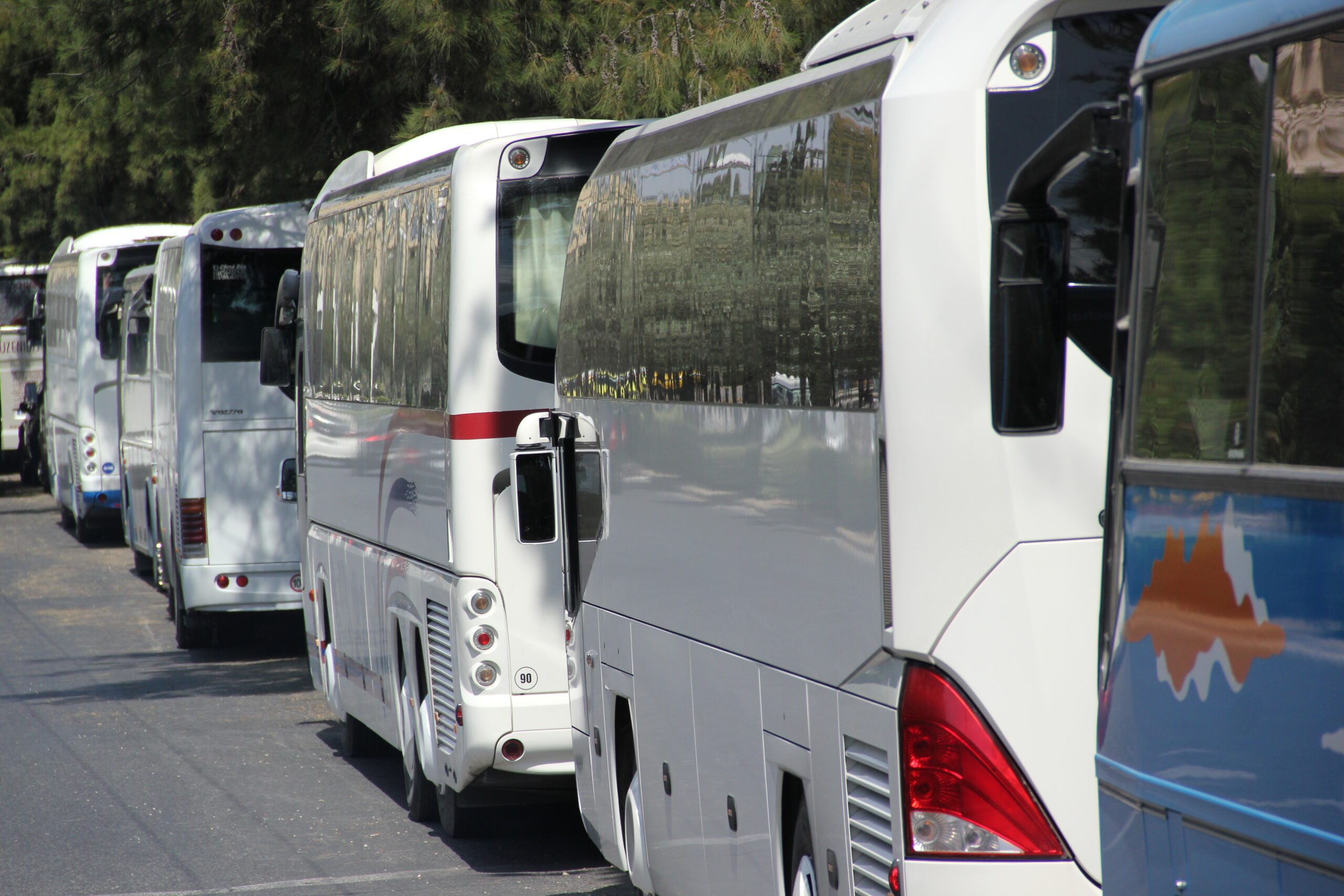
Public transport plays an essential role in modern society. As cities continue to grow and environmental concerns become more important, organisations around the world are looking for practical ways to provide reliable mobility while reducing costs and limiting their impact on the environment.
One solution that has gained increasing attention is the use of used buses as a flexible and economical transport option.
Companies such as Womy specialise in providing transport equipment solutions, including vehicles that can support businesses, communities and transport operators. Choosing previously owned vehicles can offer significant advantages, especially for organisations that need dependable transport without investing in completely new equipment.
Why Used Buses Are a Valuable Transport Option
The demand for affordable and efficient transport continues to increase. Purchasing new buses can require a substantial financial investment, which is not always possible for smaller companies, municipalities or developing transport networks. Used buses provide an alternative by allowing organisations to access quality vehicles at a lower cost.
A well-maintained bus can continue to provide many years of service after its first owner has replaced it with a newer model. This extends the useful life of the vehicle and prevents a perfectly functional asset from being removed from operation too early. By giving buses a second life, companies can contribute to a more sustainable approach to transport.
Another advantage of used buses is availability. New vehicles often involve long production and delivery times, whereas previously owned buses may already be prepared for operation. This can help organisations respond more quickly to changing transport requirements, such as expanding routes, replacing older vehicles or managing temporary increases in passenger demand.
Sustainability and the Circular Economy
Sustainability has become a key consideration for many industries, and transport is no exception. Reusing vehicles supports the principles of the circular economy by reducing waste and making better use of existing resources.
When a bus is reused instead of replaced immediately, fewer raw materials are required to manufacture a new vehicle. This can help reduce the environmental impact associated with production. In addition, extending the operational lifespan of buses allows more value to be gained from the materials, technology and energy already invested in their creation.
For many transport operators, sustainability is not only about introducing electric or new vehicles. It is also about making responsible decisions regarding existing equipment. A carefully selected used bus can be an effective step towards achieving environmental and financial goals at the same time.
Quality, Maintenance and Reliability
Some people may assume that a second-hand vehicle cannot offer the same reliability as a new one. However, the condition of a bus depends largely on its maintenance history, previous usage and technical inspections. A properly maintained vehicle can remain a dependable part of a transport fleet for many years.
Before purchasing a used bus, operators should consider factors such as mileage, servicing records, technical condition and suitability for their specific needs. Choosing a trusted supplier can make this process easier by providing information about the vehicle’s background and ensuring that customers receive suitable transport solutions.
Reliability is particularly important in public transport because passengers depend on consistent services every day. Whether a bus is used for urban routes, employee transport, tourism or special projects, it must be capable of meeting operational demands safely and efficiently.
The Future of Bus Transport
The transport sector is constantly evolving, but the need for practical and affordable mobility solutions remains. Used buses will continue to play an important role by helping organisations balance financial responsibility, operational requirements and sustainability objectives.
As technology improves and transport strategies become more diverse, previously owned buses can support a wide range of applications. They offer an opportunity to combine economic advantages with environmental responsibility, making them an attractive choice for many operators.
Conclusion
Used buses represent more than just a cost-saving option. They are part of a broader movement towards smarter resource management and sustainable transport. By extending the life of existing vehicles, organisations can provide reliable services while making responsible choices for the future.
With careful selection, proper maintenance and support from experienced suppliers, used buses can remain a valuable solution for communities and businesses around the world.