

What Are CFDs?
CFD is short for ‘contract for difference’. They are asset derivatives that allow you to trade different financial assets (stock, commodities, forex, etc.) without owning the underlying asset. The value of an asset or the amount of profit made is determined by the difference between the entry and exit price for a particular trade. The trades can be executed and monitored on a regulated broker like Oanda. This style of trading allows traders to speculate on the movement of price and profit from price fluctuations without having to physically own an asset. You can sign up on the OANDA website and trade CFDs but before then, let’s discuss how CFDs work.
How Do CFDs Work?
As a CFD trader, you enter a contract with your broker to exchange the value of an asset from the entry price to the exit price.
These contracts don’t require future exchanges and allow traders and investors to purchase these assets at a lower cost than the physical asset itself. For example, if you think the value of Tesla stocks will rise, you can buy the corresponding CFD in Tesla, and when the value increases, you sell the stocks to your broker, who deposits their value to your account.
Now that you understand how CFDs work let’s discuss 5 things you should know about them!
1 High Leverage
CFDs are leveraged assets meaning that the brokers allow you to increase the purchasing power of your deposited funds so that you can buy more than your capital would have ordinarily allowed. This increases the purchasing power of your capital and provides massive returns by risking a fraction of your money. The appropriate regulatory agencies regulate the amount of leverage offered. For instance, the Australian Securities and Investment Commission regulates the amount of leverage that retail traders can utilise.
If you use a 20:1 leverage, then every $1 in your account has a purchasing power of $20. This means that with $1000, you would have the purchasing power of $20,0000. Leverage can indeed increase your profit potential as a trader, but it can increase your risk too.
2 Low Trading Fees
In comparison to the profit potential of CFDs, the trading fees – spreads and commission, are quite low. Most brokers charge no commission for trading foreign currencies and certain commodities, but these fees are usually charged for trading stocks. Traders also pay a commission for closing trades and holding them overnight.
Spreads are charged by most brokers also. This is the difference between the bid and ask prices. The spread of an asset may be small or large depending on the volatility and liquidity of the underlying asset.
3 Variety of Tradable Assets
CFD brokers now offer a variety of assets for traders to trade. These include stocks, commodities, indices, etc. This provides a viable alternative to traditional exchanges and ensures that traders can choose the asset that best meets their trading needs and requirements. These assets are different in terms of volatility, liquidity, and the nature of analysis required to trade them.
Furthermore, Investors can trade CFDs on a wide range of worldwide markets. Most brokers now allow traders to trade assets from different parts of the world, creating around-the-clock access and attracting many traders and investors to CFD trading.
4 Ability to Go Long or Short
While trading a contract for difference, traders are now permitted to go long or short. This is in contrast to some other forms of trading.
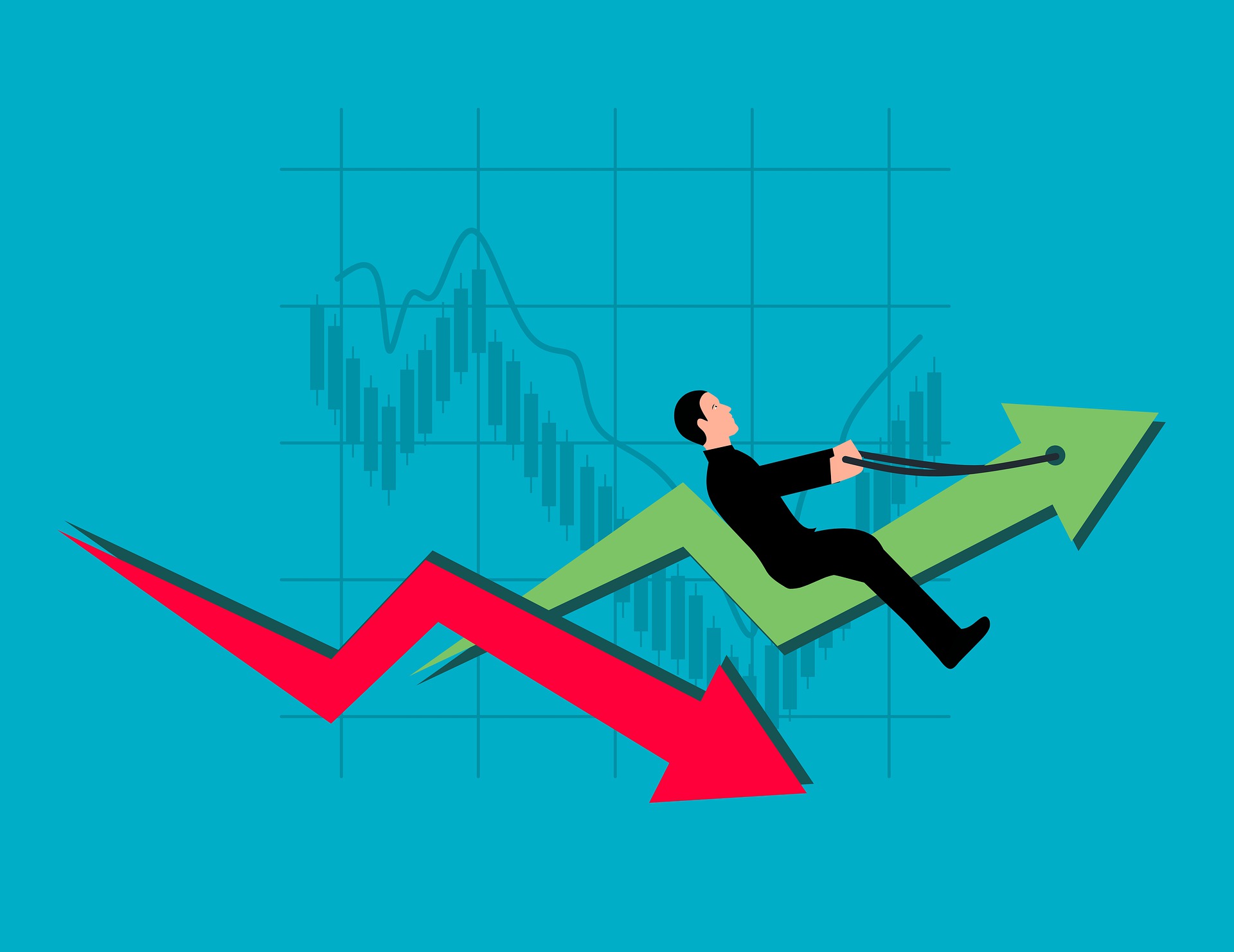
For instance, some trading styles allow traders to make a profit only if an asset appreciates. In the past, traders could only buy stocks and make profits when stock prices increased. This was very limiting and removed the flexibility of trading by forcing traders to only profit from one market direction.
So if you think that Apple stocks will lose value, you can sell them and profit while the value reduces. Trading CFDs makes this possible because it allows you to trade derivatives, and you don’t have to own Apple stocks to sell them.
5 Immediate Cash Settlement
While trading CFDs, traders get paid, and brokers deposit the profit in their accounts once the contract is closed. This removes the need for a ‘settlement period’.
This ensures that any capital risked on a trade can be recovered quickly and used to make new investments. With stock positions, it can take up to two days for your trade to settle and for you to gain access to your capital.
Trading CFDs might be a great way to increase your portfolio and make more profits as an investor. Before you risk any funds, make sure you’ve successfully learnt how to trade with proper risk management.





1 Comment
Pingback: What Is Cfd Trading? + Fundamental Tutorial - Trade