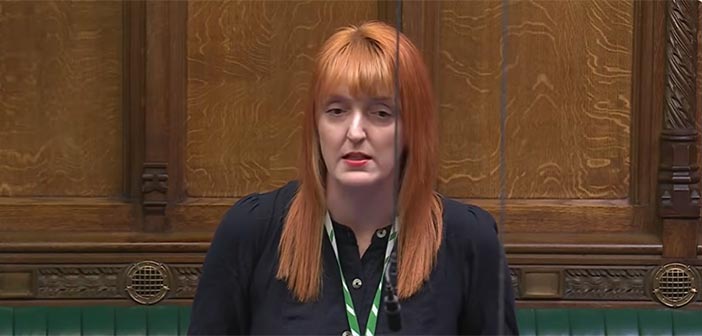
NEW measures requiring courts to formally record when an offence involved domestic abuse have come into force today – a move Warrington North MP Charlotte Nichols says will help ensure perpetrators can be better identified and managed.
From today, 5 October 2026, courts in England and Wales must make a formal judicial finding where they consider that an offence involved domestic abuse carried out by the offender.
Domestic abuse is already recognised as an aggravating factor in a wide range of offences, including assault and stalking. However, until now there has been no consistent mechanism for recording that domestic abuse was involved once an offender was convicted.
The new Judicial Finding of Domestic Abuse, introduced through the Sentencing Act 2026, means a judge must state in open court when they consider an offence involved domestic abuse. The finding will then be recorded as a formal court result.
The Government says the change will create a consistent identifier which can follow offenders through the criminal justice system, helping police, prisons and probation better identify perpetrators, manage risk, share information and protect victims.
For Charlotte Nichols, who has campaigned for the measure, today’s implementation marks an important step forward.
She said: “I’m proud to have been part of securing this measure, with the Victims Minister saying in her letter confirming the new measures: ‘I would like to take the opportunity to pay tribute to you for your unwavering commitment to tackling domestic abuse and violence against women and girls.’”
The Minister, Alex Davies-Jones MP, also told Ms Nichols that the progress had been made possible “in no small part” by her dedication, alongside campaigners, survivors and organisations working to raise awareness and challenge injustice.
The Minister’s letter said the reform addressed a “significant gap” in the justice system, where offences involving domestic abuse could previously be recorded under broader categories such as assault, harassment or criminal damage.
That made it more difficult to consistently identify domestic abuse offenders and track them through the criminal justice system, potentially limiting opportunities to assess risk, share information and safeguard victims.
The Government says the new finding does not create a new offence or automatically increase a sentence. Instead, it formalises the identification and recording of domestic abuse where it has already been established as part of the circumstances of an offence.
Ms Nichols added: “Domestic abuse devastates lives, families and communities. Those responsible must be identified, managed and held to account.”
The new measure follows recommendations from the Independent Sentencing Review and forms part of wider Government action aimed at tackling violence against women and girls.
The Judicial Finding of Domestic Abuse applies to criminal courts and comes into force from today, Monday 5 October 2026.