Two decades ago, food banks were a rarity in Britain. Today they are a familiar part of nearly every town and city, including Warrington. That change says something important, and troubling, about the pressures of modern life.
Understanding it means looking past the headlines to the actual figures. A detailed breakdown of Food Bank Statistics UK: 2026 Facts, Data & Key Insights shows just how steeply demand has climbed. This guide explains what the numbers reveal, why food bank use has grown, and how communities are responding.
What Do the Numbers Tell Us?
The scale of food bank use has grown dramatically. UK food banks now hand out roughly 3 million emergency parcels each year, a figure that has multiplied over the past decade. That growth is impossible to ignore.
These numbers are more than statistics. Each parcel represents a person or family facing a crisis they cannot meet alone. The steep rise since around 2010 tracks closely with wider economic pressures. Charities warn that the true need is even higher than the recorded figures. Behind every figure is a real story of people struggling to get by.
Why Has Food Bank Use Risen?
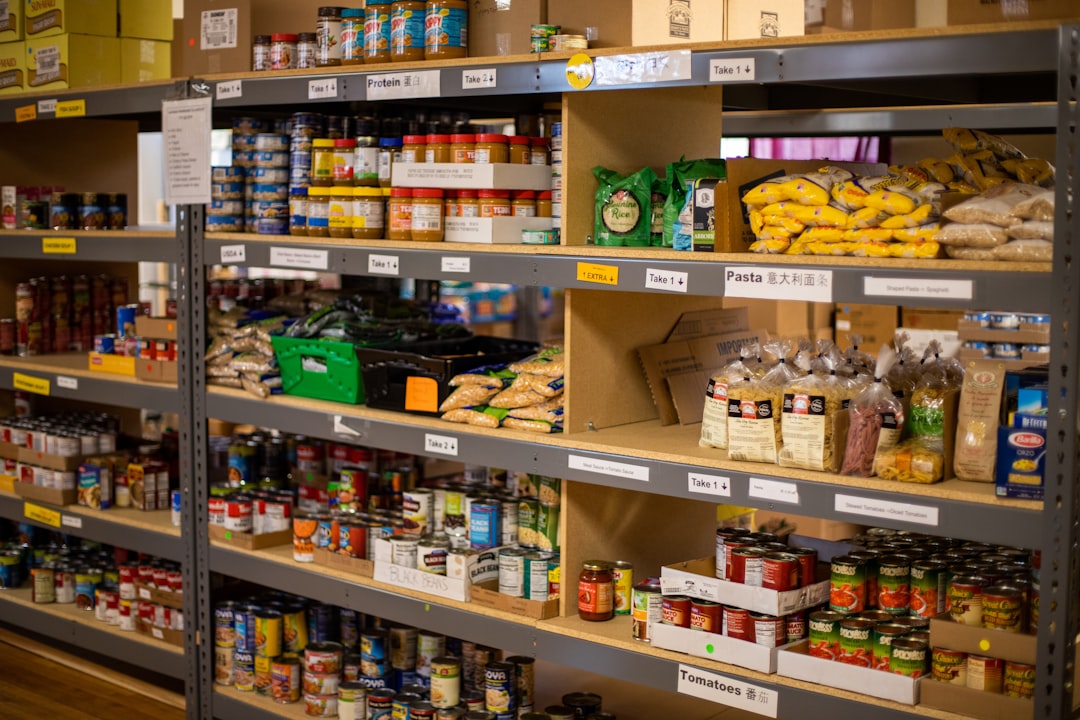
Photo by Aaron Doucett on Unsplash
The causes are connected rather than singular. No one factor explains the climb, but several push in the same direction. Together they create real hardship.
The main drivers include:
- Living costs. Rising food and energy prices.
- Low pay. Wages that fail to stretch far enough.
- Benefit issues. Delays and gaps in support.
- Insecure work. Unpredictable hours and income.
These pressures often strike at once, tipping a tight budget into crisis. A single unexpected bill, like a broken boiler, can be the final straw. Savings that might once have cushioned the blow have been eroded for many households. That is why demand has grown even among people who are in work.
Who Relies On Food Banks?
A common myth is that food banks serve only the unemployed. The reality is far broader. The people who turn to them may surprise you.
Increasingly, working families make up a large share of those seeking help. A parent with a job can still fall short when rent, energy, and food all climb at once. Many describe the shame and reluctance they feel before finally asking. Pensioners, disabled people, and carers are also heavily represented. The rise of the cost of living crisis has pulled in people who never expected to need help.
How Do Communities Respond?
The response has been quietly remarkable. Across the country, volunteers and donors keep food banks running. Local spirit does much of the heavy lifting.
Communities help in several ways:
- Donating. Regular gifts of food and essentials.
- Volunteering. Sorting, packing, and welcoming people.
- Fundraising. Local events that keep centres open.
- Signposting. Guiding people to wider support.
Efforts like the local Warrington Foodbank show how a town rallies to look after its own. Schools, churches, and local businesses all pitch in with collections and drives. This grassroots effort is genuinely inspiring to see up close. Yet most who run these centres agree they should not have to exist at this scale.
What Support Is Available?
Food banks are one part of a wider safety net. Knowing what else exists helps people find lasting help, not just a short-term fix. Several official routes can ease the pressure.
The scale of the challenge is clear in government figures on low-income households. Useful wider context comes from the annual family resources survey. Alongside food banks, benefits advice, grants, and local welfare schemes all offer support. Citizens Advice and local councils can point people toward the right scheme. Reaching out early, to any of these, often prevents a crisis deepening.
Building a Stronger Safety Net
The rise of UK food banks is one of the clearest signs of the pressure on household budgets today. The data shows demand driven by living costs, low pay, and insecure work, reaching far beyond the unemployed. Communities have responded with extraordinary generosity, yet the real goal is a world where food banks are needed far less. That will take action on wages, housing, and support that goes well beyond the food parcel itself. Understanding the numbers honestly is the first and most important step toward building that stronger, fairer safety net.

Frequently Asked Questions
How Many People Use Food Banks In the UK?
UK food banks now distribute roughly 3 million emergency food parcels a year, a total that has risen sharply over the past decade. Each parcel supports a person or family in crisis, so the real number of people affected is very large. The figures are tracked by charities and reflected in official low-income statistics, and they have grown steadily rather than levelling off.
Do Only Unemployed People Use Food Banks?
No, and this is a widespread misconception. A growing share of food bank users are in work but still cannot cover rising rent, energy, and food costs. Pensioners, disabled people, and carers also rely on them heavily. The cost-of-living pressures of recent years have pulled in many households that never expected to need this kind of emergency help.
Why Has Food Bank Use Increased So Much?
The rise stems from several connected pressures. Higher living costs, wages that do not stretch far enough, problems or delays with benefits, and insecure work all play a part. These factors often hit at the same time, turning a tight budget into a crisis. A single unexpected bill can push a struggling household over the edge and toward a food bank.
How Can I Help My Local Food Bank?
There are several simple ways to make a difference. Donating food or essentials, giving money, and volunteering your time all help directly. Checking your local food bank’s current shortage list means your gift meets real need. You can also support fundraising events or help signpost others to available help. Even small, regular contributions add up to a meaningful impact.