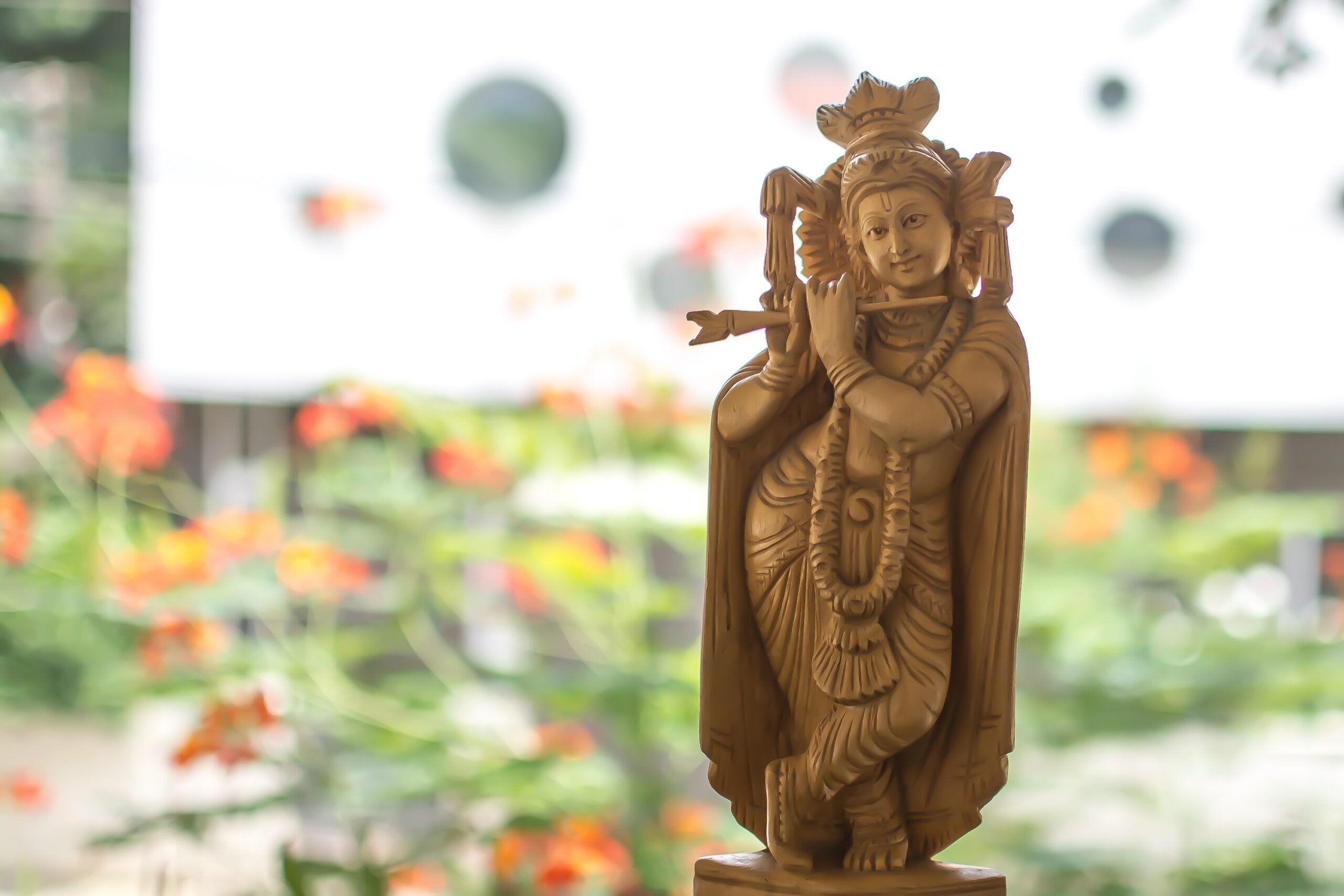
Interest in South Asian art and spirituality is growing across the UK, and Warrington is seeing the same shift. Local yoga studios, wellbeing practitioners and home collectors are increasingly looking for objects that bring craftsmanship and cultural meaning into a space.
Sonia Patel, who runs a small meditation group that meets near Warrington town centre, says members often ask how to choose pieces responsibly. People want something beautiful, but they also want to understand what it represents and where it comes from, she said.
Hindu deity statues can be appreciated as historical artworks, studied for their symbolism, or used respectfully in a home shrine. With more mass-produced replicas on the market, buyers often ask the same questions: how do you recognise quality, what does authentic mean, and how do you choose a figure that fits your purpose?
What the symbolism can tell you
Hindu sculpture has a visual language. Posture, hand gestures and attributes are clues to identity and meaning. In simple terms, a mudra is a symbolic hand gesture, and puja refers to devotional worship.
Common examples include:
– Ganesha is typically shown with an elephant head and rounded belly, associated with removing obstacles and new beginnings.
– Shiva may appear as Nataraja, framed by a ring of flames that represents cosmic cycles.
– Vishnu is often depicted with attributes such as the conch and discus, linked to protection and order.
– Lakshmi is frequently shown with lotus symbolism, connected with prosperity and wellbeing.
Why it matters locally
Warrington’s interest in mindful living has translated into more classes and community groups, from yoga and breathwork to meditation sessions. In areas such as Stockton Heath, Latchford and the town centre, studios and therapy spaces often aim to create calm interiors that feel intentional rather than generic.
Designers working on boutique hospitality projects across Cheshire report a similar demand for statement pieces that feel genuine. A well-chosen bronze or stone figure can become a focal point in a reception area, a quiet corner in a spa, or a private room used for reflection.
How to judge authenticity and craftsmanship
For anyone searching for authentic Hindu deity statues in the UK, specialists usually point to three practical checks.
– Materials and technique: antique bronze Hindu statues are often made using the lost-wax casting process, which allows for fine detail.
– Condition and age indicators: natural oxidation and consistent wear can suggest age, although condition should be assessed carefully.
– Provenance and sourcing: transparent background information helps buyers understand where a piece came from.
Comparing different hindu statues can help you recognise differences in iconography, materials and craftsmanship. Pay particular attention to the depicted attributes, casting details and available information about the origin of each piece.
Practical tips for display
Whether a statue is chosen for study, design or devotion, respectful placement matters. Decide the purpose first, measure the space, ask clear questions about origin and any restoration, and place sacred images in clean, quiet areas rather than treating them as casual ornaments.
As Warrington’s cultural interests broaden, informed choices help ensure these objects are appreciated for what they are, with attention to both craftsmanship and tradition.