The North West is facing a growing skin cancer crisis, with rates now significantly higher than the national average, despite being one of the wettest regions in England. Experts say the rise is being driven by behaviour, not the weather.
Across the region, skin cancer rates sit 13% higher than the national average, and the gap is widening. Regional data shows cases have climbed from 27% to 33% above the national baseline in recent years, signalling a growing and deeply concerning health crisis.
Within that picture, major urban centres are driving the trend. In Manchester, prevalence is a striking 23% above the national average, despite its relatively young population. Meanwhile, Liverpool reports rates as much as 35% higher, among the most elevated in the country.
Around 1,500 to 1,800 new melanoma cases are diagnosed annually in the region – a monthly average of up to 150 new patients, or roughly five people every day. The numbers for non-melanoma skin cancers are even more prolific, with estimates suggesting over 25,000 cases a year in the region, a rate of nearly 480 diagnoses every week.
Behind these numbers lies a more troubling pattern. Recent data shows the North West has one of the highest concentrations of sunbed outlets in England, particularly in more deprived communities, a trend closely linked to rising melanoma rates among young adults aged 25 to 49.
Demand is still surging. Research conducted by Pall Mall Medical last year found Manchester ranked second in the UK for online searches for sunbed tanning salons, with 1,981 searches per 100,000 residents, a clear signal that risky habits remain deeply embedded.
This is despite the fact that up to 86% of melanoma cases are preventable.
“It’s concerning to see the North West consistently sitting so far above the national average,” said Dr Tim Clayton, Consultant Dermatologist from Pall Mall Medical.
“With Sun Awareness Week (11-18 May) approaching, we’re urging people to check their skin regularly and understand the warning signs. Early action can save lives.”
Pall Mall Medical has introduced a new ‘See and Treat’ service, enabling patients to have suspicious moles assessed and, where appropriate, removed on the same day, helping to reduce waiting times and improve access to care.
While there are signs of progress, Greater Manchester now leads the region for early diagnosis, with 60.2% of cancers detected at Stage 1 or 2, prevention remains critical.
Model and Pall Mall patient Rhian Sugden is supporting the campaign, urging people to be vigilant by checking themselves.
In 2023 the former Celebrity Big Brother star had surgery to remove suspicious looking moles.
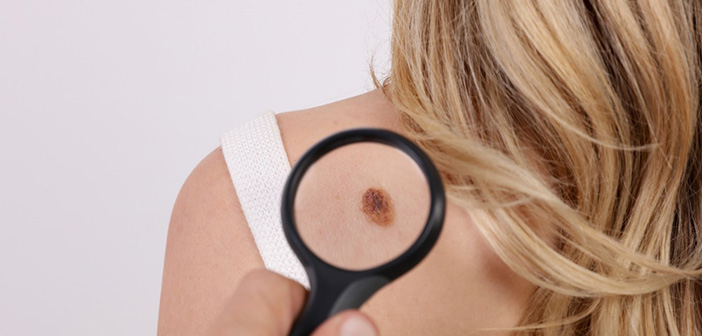
“Look for any new moles or spots that have changed shape, size, or colour,” she said.
“Most of the time it’s nothing, but catching things early makes all the difference. If something feels ‘off’ or looks different, don’t wait, get it checked by a professional.”
Skin cancer warning signs to look for (ABCDE rule):
A – Asymmetry: One half of the mole does not match the other half.
B – Border irregularity: The edges are jagged, notched, or blurred.
C – Colour changes: The mole has multiple, uneven shades of brown, black, red, white, or blue.
D – Diameter: The mole is larger than a pencil eraser (roughly 6mm or more).
E – Evolution: The mole is changing in size, shape, appearance, or elevation over time
“This is a largely preventable disease, but only if habits change,” adds Dr Clayton.
To find out more about Pall Mall’s mole assessment services visit – Private Mole Removal | Mole Assessment in Manchester, Liverpool | Pall Mall