Buying a historic home involves more than a survey. Learn about damp, structural issues and why you need specialist listed building insurance for protection.
Buying a listed home? Here’s what your surveyor won’t tell you
Stepping into a Grade II listed cottage feels like stepping back in history. You see the oak beams and the wonky floors and think about the centuries of stories they hold. However, once the excitement of the viewing fades, you need to think about the reality of maintaining a heritage asset.
A standard survey often misses the nuances of old building methods. It’s easy to get distracted by the charm and miss the signs of expensive repairs. Continue reading so you know exactly what to look for before you sign any contracts.
Signs of Damp Hidden by Modern Renovations
Damp is the most common problem in older properties, yet it’s often the hardest to diagnose correctly. You might see a fresh coat of paint in a corner and assume the sellers have taken care of the place. In reality, that paint could be hiding a patch of rising damp that will reappear in a few months. It’s worth pointing out that many historic homes were built to breathe, using porous materials like lime mortar and stone.
If a previous owner used modern gypsum plaster or waterproof masonry paint, they’ve effectively trapped moisture inside the walls. This leads to crumbling stone and timber rot that a basic survey might not flag as a major concern. You should look out for several indicators that moisture is being trapped in the masonry:
- Tidelines or salt deposits on the lower half of internal walls.
- A musty or earthy smell that doesn’t go away with ventilation.
- Flaking paint or crumbling plaster in specific patches.
- Dark spots or soft patches on wooden floorboards and beams.
Why You Need a Listed Building Insurance Policy
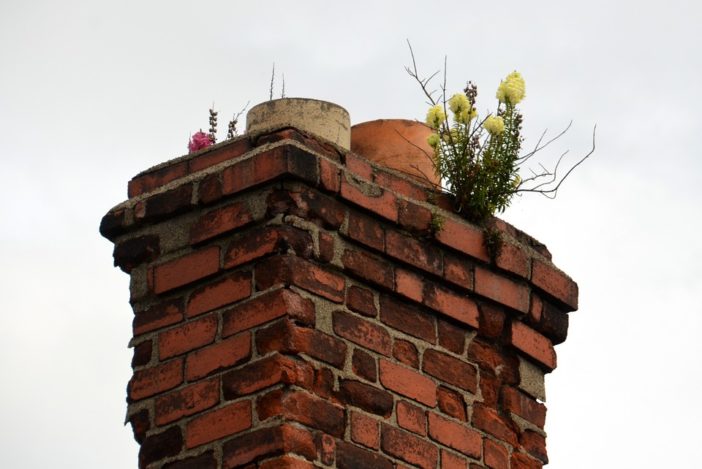
When you move into a historic home, a run-of-the-mill policy won’t suffice. Standard policies are designed for modern brick-and-mortar houses built to a specific code. They don’t understand that if your chimney collapses, you can’t just buy a standard pot from a DIY shop. You will be legally required to use specific materials and specialist craftsmen to maintain the character of the building.
This is why many owners look for listed building insurance to make sure they’re covered for these specific costs. The rebuild value of a listed home can be significantly higher than its market value because of these requirements, particularly where specialist materials or period architectural features are involved.
If you rely on a generic policy, you might find a huge gap between what the insurer pays and what the heritage officers demand. It’s better to choose a provider that understands the nuances of Grade I and Grade II listings.
Common Faults in Old Wiring and Masonry
Old houses often have layers of DIY history. You might find that the fuse box looks modern, but the wiring hidden behind the lath and plaster walls is decades old. It’s not uncommon to find lead-sheathed cables or rubber insulation that has turned to dust. Replacing all the electrics in a listed building is a massive job because you can’t just chase cables into the walls without permission from the local council.
Structural movement is another area where you need to be careful. Every old house has a few cracks, and most are just the building settling over a hundred years. However, if you see cracks that are wider at the top than the bottom, or cracks that go through the bricks instead of just the mortar, you have a problem. You will need a structural engineer who understands heritage masonry to tell you if the movement is still active.
The Reality of Maintenance Consents
You don’t just own a listed building; you’re a caretaker for the nation. This means you can’t change the windows, knock down a wall, or even repaint the exterior in a different colour or finish without Listed Building Consent. Many buyers don’t realise that if a previous owner did work without permission, the council can force you to fix it at your own expense. This is known as inherited liability and it can cost thousands.
It’s worth noting that you should always ask for certificates for any work done in the last twenty years. If the seller can’t provide them, you should ask your solicitor to look into an indemnity policy. It’s also a good idea to speak with the local conservation officer before you buy. They can give you an idea of how strict they are about future changes you might want to make to the property.
What This Means for You
Buying a piece of history is a rewarding experience, but it requires a different mindset than buying a new build. You need to look past the aesthetic appeal and focus on the health of the structure.
By identifying damp issues, checking the electrical history, and securing the right insurance, you can enjoy your home without constant financial stress. Take your time with the checks and make sure you have the right experts in your corner before you commit to the purchase.