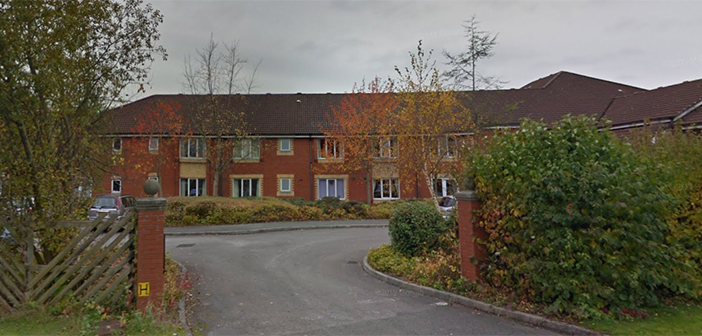
A Warrington care home under new ownership has responded to safety concerns following a Care Quality Commission CQC inspection, which was rated as requires improvement.
Callands Care Home on Callands Road, Callands, Warrington, is a care home registered to provide personal and nursing care for up to 120 people living with dementia, mental health conditions, physical disabilities, and sensory impairments. At the time of the assessment 102 people were using the service. This was the first assessment of the service under the current provider.
The assessment identified breaches of the legal regulations relating to the safe management of risks and record keeping. The provider has been asked to submit an action plan to address these concerns.
Risks to people were generally assessed, and measures were put in place to reduce them. However, records were not always complete, and there were occasions where staff had not followed risk management plans in place. Staff had received safeguarding training and understood how to report concerns. However, in one case, records were incomplete, which meant staff were unable to check and ensure all necessary follow up action had been taken to protect the person.
The service had staffing vacancies and used agency staff on a regular basis. Some feedback suggested this impacted on the consistency of care provided to people. The management team was actively recruiting permanent staff, using regular agency staff where possible, and reviewing staffing levels, skills, and leadership arrangements across the home. Staff received induction, training, supervision, and appraisal, and safe recruitment processes were in place.
Care plans were based on assessments and reviewed regularly. Whilst most contained personalised information, some were inaccurate, inconsistent, or lacked sufficient detail to guide staff effectively. People were generally involved in discussions about their care, but improvements were needed to ensure this happened consistently. Several people and relatives told us they had not seen or discussed care plans. In addition, where people lacked capacity to consent, mental capacity assessments and best interest decisions had not always been appropriately recorded. The management team were aware of these themes and were addressing some issues through their governance arrangements.
Medicines were managed safely, with the provider having focused on strengthening medicines management through regular and thorough audits.
The provider had undertaken some refurbishment at the home, however some areas still required decorating and repair. An ongoing improvement programme was in place.
The home manager provided examples of how care had been planned around people’s individual wishes and preferences. However, improvements were needed to ensure staff consistently followed the guidance in place and delivered care in line with people’s preferences.
Feedback from healthcare and other professionals indicated they had positive working relationships with staff. The management team were open and responsive to feedback, taking some immediate action in response. They were focused on developing a shared and effective culture with the staff team, however some staff felt morale remained low.
The provider had governance systems and were working on action plans to improve the service and there was an improving picture. A more stable management team was now in place. People were positive they could raise issues or concerns with the home manager. However, inspectors found concerns relating to the safe management of risk and records were not consistently accurate, complete, or up to date. The provider recognised these issues and was taking action to address them. However, further work was required to ensure these processes were embedded and improvements were fully sustained.
People’s experience of this service
Overall, people and their relatives gave positive feedback about staff attitudes and approaches. They told inspectors, “The staff are very good and look after me”; “We’ve seen very attentive care and (relative) is very happy in the home. In fact, everyone seems happy there, and visitors are treated well too” and “We feel reassured she is safe because of the quality of care and her happiness there.”
Whilst inspectors received some mixed views about the food provided, overall, people were satisfied with the meals and felt they were offered sufficient choice. Snacks and drinks were readily available. One relative said, “He’s a fussy eater, but they have plenty of choice and he enjoys the meals. Finger foods are also effective, and they leave them out for him.”
People were very positive about the wellbeing team and improvements made to the activities on offer, including events and outings. One relative commented, “The new activity coordinator is very enthusiastic and has started a newsletter you can pick up in reception. There are photos of activities, and I know some people go on trips to garden centres and coffee shops.”
There were positive examples of good outcomes for people where staff had developed person- centred care plans, especially where people experienced distressed behaviours. A relative commented, “(Relative’s) mood is much improved, and negative behaviours have largely gone.” However, our observations indicated on occasions, staff had not responded to people in a timely way.
The provider sought and acted upon people’s views and feedback through a variety of methods.
The provider had a ‘Resident of the Day’ system in place, whereby staff reviewed all aspects of a person’s care plan. Whilst some people and relatives had been involved in this process, others told inspectors they had not been. However, relatives said they were kept informed on a day-to-day basis and felt communication was good.
Feedback from several visitors indicated they found it difficult to access the building at weekends or at times when the reception area was unstaffed. In response, the provider had implemented a new intercom system to improve ease of access whilst maintaining security.
Several people also raised concerns about their clothing going missing or becoming mixed up during the laundry process. The management team were aware of these issues and were exploring solutions to address them. Following the assessment, they confirmed they were trialing a new approach and would monitor its effectiveness.
A spokesperson for Dovehaven who run the care home said: “Callands has been on a significant improvement journey since Dovehaven acquired the home in 2024. At the time of acquisition, the home had been rated Inadequate by the CQC under its previous provider. “We are pleased that the latest assessment recognises the progress that has been made, with three of the five key areas now rated Good.
“We fully recognise that there is still further work to do, particularly in the areas highlighted by the CQC, and we remain firmly focused on delivering the improvements required. Our priority is, and will always be, to provide safe, high-quality and compassionate care for the people who call Callands home.”
A full copy of the inspection report can by read HERE