
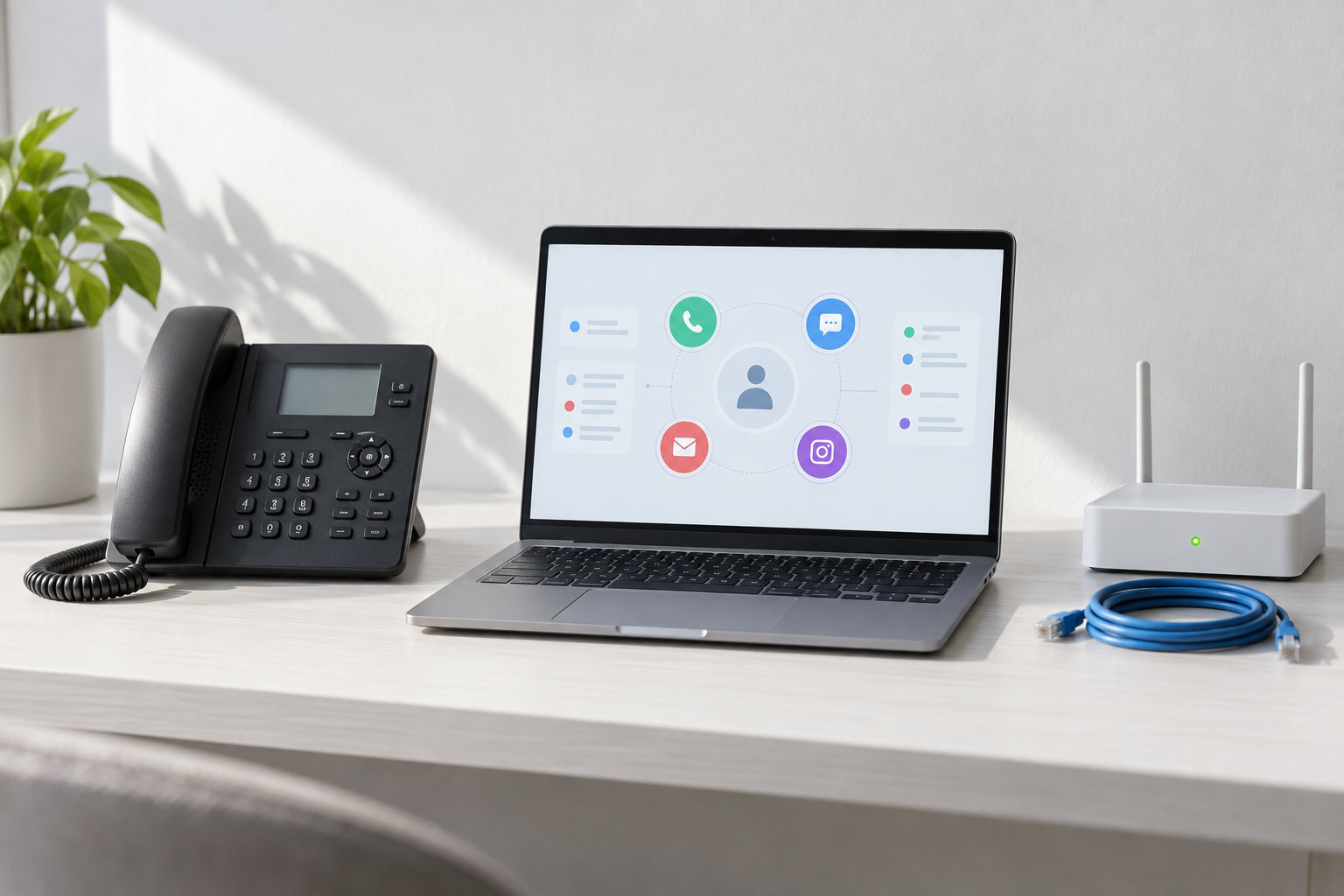
Cloud contact centre platforms are helping organisations deliver faster, more accessible customer service across multiple channels. This article examines how these platforms support hybrid work environments and the essential changes they bring to modern customer service.
Changing customer expectations have prompted many organisations to reconsider the way they provide support and information to their clients. CCaaS providers are equipping teams with tools to meet higher demands for speed, flexibility, and seamless multi-channel communication. The rise of remote and hybrid work, along with the proliferation of digital channels such as messaging apps and social media, has made traditional, site-based contact centres less practical. This shift is driving a move towards cloud-based solutions that can efficiently handle customer enquiries and support a dispersed workforce.
Understanding cloud-based platforms and legacy differences
A cloud contact centre is a platform that allows customer service agents to handle interactions from various channels through an internet-based system. Unlike legacy on-premise systems, these platforms do not require extensive physical infrastructure or dedicated server rooms on-site.
This approach offers greater flexibility for organisations that need to scale their operations quickly or support teams across multiple locations. By locating core systems and data in the cloud, contact centres can maintain operations even when agents are working from home or from different branches.
The transition from legacy systems to cloud-based platforms also eliminates many of the maintenance burdens associated with traditional contact centres. Organisations no longer need to manage hardware upgrades, software patches, or system backups manually, as these responsibilities typically fall to the service provider. This shift allows internal IT teams to focus on strategic initiatives rather than routine maintenance tasks. Additionally, cloud platforms often provide automatic updates that introduce new features and security enhancements without requiring downtime or complex installation procedures. This continuous improvement cycle ensures that contact centres remain current with the latest technological capabilities and security standards.
Key features reshaping service delivery models today
Modern cloud contact centre platforms support omnichannel interaction, making it possible for customer service teams to handle voice calls, emails, web chats, and social messages within a unified queue. This reduces the need for agents to switch between separate systems and can enable a more consistent customer experience across touchpoints.
Advanced routing capabilities assign enquiries based on agent skills and real-time availability, which can improve first-contact resolution. Features such as call recording, live quality monitoring, and visual dashboards support better oversight and coaching for service teams.
Real-world impacts on customer and team experiences
Integrations with CRM and helpdesk software can give agents context about each customer, allowing for more personalised and effective service. This can minimise handovers and enable smoother interactions, especially when customers reach out through different channels.
By providing self-service tools and clear information, cloud contact centres can reduce waiting times and improve accessibility. In many cases, managed IT services Manchester can help ensure these platforms integrate with existing infrastructure and can be adjusted as business needs change.
Mitigating risks and tracking success in implementation
Adopting cloud contact centre technology requires careful attention to data privacy, security, and compliance. Organisations should review how data is stored, who has access, and whether these controls meet industry regulations and internal policies.
Measuring the effectiveness of a modern platform goes beyond tracking how long agents spend on calls. Key metrics include first-contact resolution, abandonment levels, customer satisfaction surveys, and quality monitoring scores.
These indicators help identify areas for improvement and justify ongoing investments. While automation and self-service options are valuable, over-automating can alienate customers who need human assistance.
It is also important to plan integrations thoroughly, deliver effective agent training, and invest in robust change management. As organisations continue to modernise their customer service operations, cloud platforms offer flexibility and adaptability.
Careful evaluation of technological needs, provider transparency, and practical implementation challenges is essential. This can help keep customer service resilient and effective as business requirements change.