Asbestos feels like a problem from the past, a material banned decades ago and best forgotten. Yet it remains one of the biggest workplace health killers in the UK today. Understanding exactly why is the first and most important step to staying safe.
The toll is heavy and ongoing, and asbestos-related disease claims broadly 2,000 to 2,150 lives annually. Many of those affected were exposed years or even decades ago. This guide explains the risks asbestos poses, where it still hides, and how to protect your lungs and your family.
Why Is Asbestos Still a Danger?
The cruel twist is timing. Although asbestos was banned in the UK in 1999, it sits in countless older buildings put up before then. It only becomes dangerous when disturbed.
The health effects also take decades to appear. Diseases linked to asbestos can develop 20 to 60 years after exposure, which is why deaths remain high today. Someone exposed in the 1980s may only fall ill now. That long delay is exactly what makes asbestos so deceptively dangerous.
What Diseases Does Asbestos Cause?
Breathing in asbestos fibres damages the lungs over time. The resulting conditions are serious and often fatal. Knowing them underlines why prevention matters so much.
The main asbestos-related diseases include:
- Mesothelioma. An aggressive cancer of the lung lining.
- Lung cancer. Strongly linked to asbestos exposure.
- Asbestosis. Lasting scarring of the lung tissue.
- Pleural thickening. Swelling that hampers breathing.
These conditions share a grim common thread of being hard to treat once they appear. That is why avoiding exposure in the first place is so vital. The fibres cause harm quietly, long before any symptom shows. By the time breathing problems arrive, the damage has usually been building for years.
Where Is Asbestos Found?
Asbestos was prized for decades as a cheap, fire-resistant material. As a result, it turns up in a huge range of older structures. Knowing the hotspots helps you stay alert.
Common places asbestos hides include:
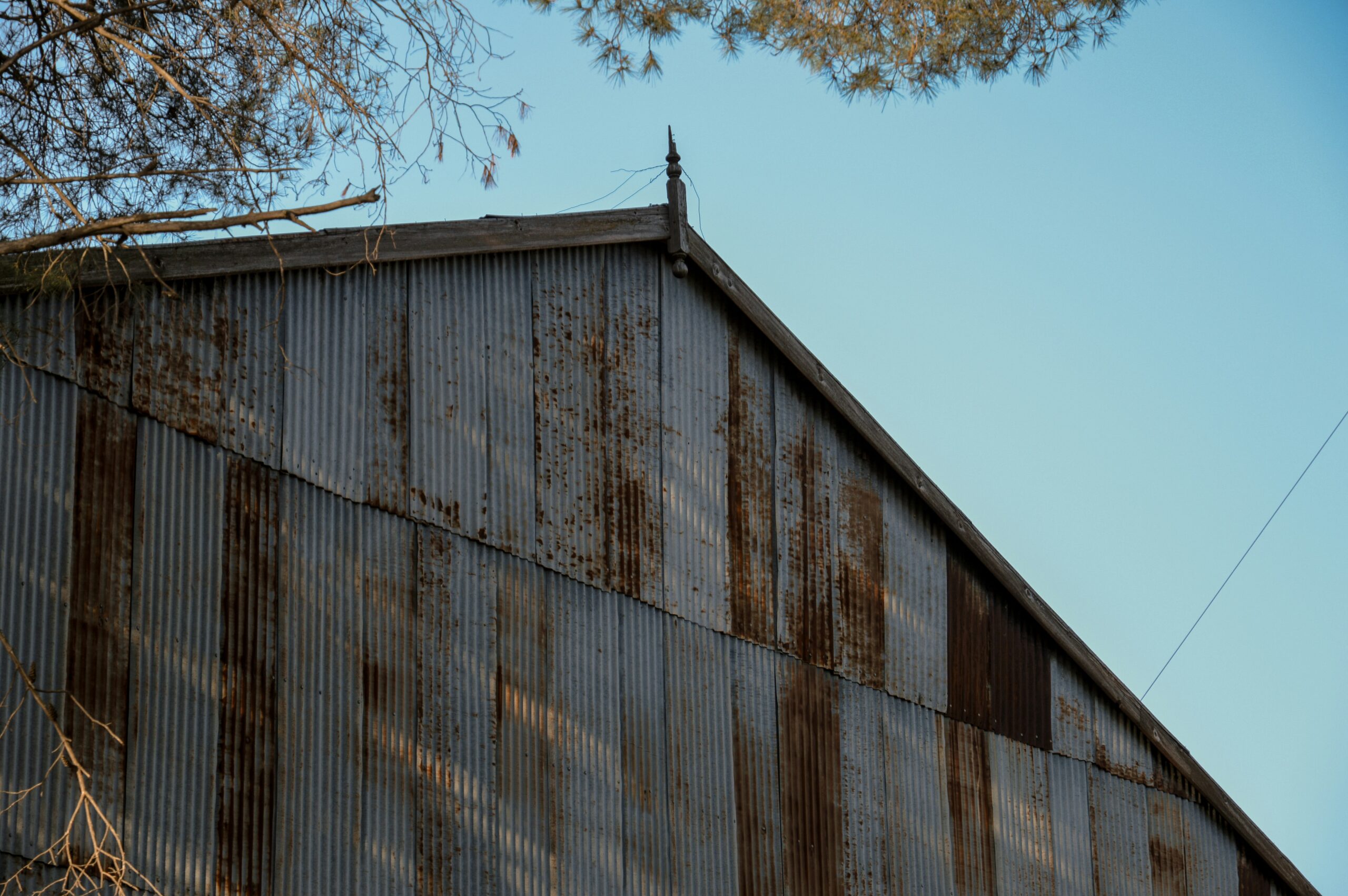
- Roofing. Corrugated sheets and tiles.
- Insulation. Around pipes, boilers, and lofts.
- Flooring. Old vinyl tiles and their backing.
- Cladding. Wall panels and ceiling coatings.
Any building constructed or refurbished before 2000 could contain it somewhere. It is most dangerous during renovation or demolition, when materials get broken up and fibres escape into the air. If you are unsure, the safest assumption is always that it might be present.
How Do You Stay Safe?
The golden rule is simple: never disturb material you suspect contains asbestos. Leaving it alone is often the safest option of all. When it must be handled, professionals are essential.
A few principles keep you safe:
- Assume the worst. Treat unknown materials as suspect.
- Do not disturb. Never drill, sand, or break it.
- Get a survey. Have a professional check first.
- Use specialists. Only licensed firms should remove it.
Clear asbestos FAQs answer the common questions homeowners and tradespeople have. For the health side, there is trustworthy information on mesothelioma risks and causes. When asbestos is even a possibility, caution is never an overreaction, and rushing the job is never worth the risk.
Why Does Early Awareness Matter?
Because asbestos diseases are so hard to treat, awareness and early detection are essential. Catching problems sooner gives the best possible chance of managing them. Local health services play a real and practical part here.
Anyone with a history of exposure should mention it to their doctor, as it guides investigation and care. Efforts to improve patient flow and the case for a new hospital in Warrington both matter for conditions that need prompt specialist attention. Early awareness will not undo past exposure, but it can make a genuine difference to outcomes.
Protecting Yourself and Others
Asbestos may be a legacy of the past, but its danger is very much present, claiming thousands of lives every year in the UK. Understand why it remains a threat, learn where it hides, and above all never disturb it yourself. Rely on surveys and licensed specialists, take any history of exposure seriously, and treat older buildings with respect. Handled carefully, this hidden danger can be managed rather than feared.
Frequently Asked Questions
Is Asbestos Still a Risk if It Was Banned?
Yes, very much so. Although the UK banned asbestos in 1999, it remains in millions of buildings constructed before then. It is generally safe when left undisturbed and in good condition, but becomes dangerous when damaged or broken up during work. Because asbestos diseases take decades to develop, deaths from past exposure are still occurring today, which is why ongoing awareness is essential.
What Are the Symptoms of Asbestos-Related Disease?
Symptoms often appear only decades after exposure and can include shortness of breath, a persistent cough, chest pain, and fatigue. Because these overlap with many other conditions, asbestos disease is easily missed. Anyone with a known history of exposure should tell their doctor, as that information is vital for accurate diagnosis. Early medical attention offers the best chance of managing these serious conditions.
How Do I Know if My Home Has Asbestos?
Any property built or refurbished before 2000 may contain asbestos, often in roofing, insulation, floor tiles, or wall panels. You usually cannot identify it by sight alone, so the safest step is a professional survey, especially before any renovation. Never drill, sand, or break suspect materials. If a survey confirms asbestos, a licensed specialist can advise on whether to manage or safely remove it.
Can I Remove Asbestos Myself?
It is strongly advised not to. Disturbing asbestos releases microscopic fibres that are extremely harmful to breathe, and improper removal endangers you and everyone nearby. Certain higher-risk asbestos work legally requires a licensed contractor. The safe approach is always to have a professional survey done and to use trained, licensed specialists for removal, rather than risking your health to save money.