
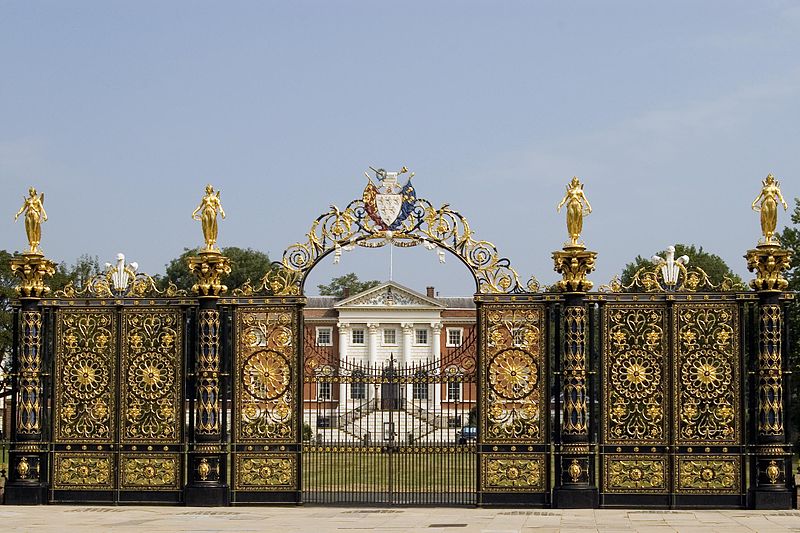
THE critical state of Warrington Borough Council’s finances is laid bare in a report to the Scrutiny Committee on Wednesday this week.
The council is facing severe long-term instability after recording a massive £94.757 million revenue overspend for the 2025/26 financial year.
An outturn report scheduled for the Scrutiny Committee on Wednesday, 29 July, reveals systematic budget weaknesses, unachieved savings targets, and an overwhelming reliance on emergency government bailouts to balance its core books.
The Scrutiny Committee has a key role in providing effective oversight of the Council’s financial management and supporting the development and scrutiny of future budgets.
The council’s final adjusted operating budget of £214.263 million was entirely overwhelmed by escalating costs across almost all service directorates. To prevent immediate collapse, town hall bosses were forced to deploy an unprecedented mix of emergency funding:
Government intervention: The council utilised £87.029 million in Exceptional Financial Support (EFS) from the Ministry of Housing, Communities, and Local Government. This emergency capital directive allows the council to borrow to fund basic everyday revenue expenditure.
Reserves depletion: A further £7.728 million was stripped from the council’s dwindling earmarked reserves to plug the remaining deficit.
Future penalty: This emergency borrowing is not free. It will create immediate, ongoing financial drag on future budgets, costing an estimated £8.703 million per year in Minimum Revenue Provision (MRP) and interest payments.
The core drivers: Where the money vanished
Town hall finance chiefs have pointed to historical under-budgeting and unrealistic financial planning as key reasons for the disaster.
Adult Social Care: The People Directorate was the single biggest source of financial bleeding, overspending by £26.364 million. This was driven by a historic baseline deficit, skyrocketing demand for complex care, and standard provider inflation.
Corporate finance failure: This department registered a £19.050 million overspend. It was severely impacted by the delayed sale of a major investment fund (the Box+II fund), meaning a projected £6.7 million surplus failed to materialise in time.
The £42M Audit shock: An independent external review of the council’s Minimum Revenue Provision (MRP) strategy triggered an unbudgeted £42 million adverse variance that had to be hastily shifted into a negative reserve account.
Shortfall in savings: The council fell dramatically short of its ambitious £30.481 million Medium-Term Financial Plan savings target, failing to deliver £11.001 million (36.1%) of its goals. The single largest failure was an unachieved £5 million target tied to the stalled commercial property sale of Birchwood Park.
Radical debt reduction and assets fire-sale
Faced with escalating interest rates and clear ministerial directions to pay down its notoriously high debt levels, the council has enacted an aggressive asset optimisation strategy.
During the 2025/26 financial year, the council wiped £60.235 million of debt off its books. This was entirely funded via an asset fire-sale, anchored by the £33.727 million cash receipt from selling off a local Sainsbury’s site, alongside £26.502 million collected from loan repayments. Furthermore, the council was forced to strip out £50 million worth of capital projects that relied on local borrowing, restricting future works strictly to urgent or externally funded schemes.
A critical outlook for services
While the Dedicated Schools Grant (DSG) special education deficit of £6.929 million is legally ring-fenced away from the core balance sheet until 2028, structural budget problems are mounting. Independent inspectors from Grant Thornton and government-appointed Envoys have warned that the town hall’s financial situation remains “critical”.
Without major, painful transformational service cutbacks, the local authority risks completely exhausting its financial resilience.
The breakdown of the council’s final accounts reveals exactly how individual service lines collapsed, how capital cash was used to downsize the workforce, and where efficiency drives actually delivered results.
The crisis in Children’s Services and SEND schooling
While adult care took the biggest financial hit, the council’s education and youth sectors suffered severe structural overspends.
The stalled placements plan:
Children’s Services overspent by £2.192 million. This failure was driven by delays in opening new internal council care provision. As a result, the council was forced to keep relying on highly expensive, externally managed placements for children in care.
The special school transport blowout: The Education and Early Help division overspent by £2.201 million. The single largest culprit was Special Educational Needs and Disabilities (SEND) Transport, which blew its budget by £1.310 million due to rising demand.
The hidden high needs deficit: Legally separated from the main budget via a government “statutory override,” the council’s Dedicated Schools Grant (DSG) registered an independent £5.992 million annual deficit, blowing total accumulated schooling debts to £6.929 million.
Independent school cost explosion: The core of the school funding crisis sits in the High Needs Block. Against a government allocation of £5.796 million, the council ended up spending £11.356 million on independent school places for complex-needs students—a massive £5.560 million overspend.
Capital asset cash used to fund redundancy costs
In a stark reflection of the town hall’s cash-strapped reality, council bosses utilised emergency government rules to turn physical asset receipts into a fund for cutting staff.
Capital Flexibility Deployment: Typically, selling land or properties must strictly be used to fund new infrastructure or pay down debt. However, under extended government flexibilities, Warrington used £3.977 million of its capital receipts to directly fund workforce redundancy payouts during 2025/26.
Prioritising payouts over transformation: While these capital receipts flexibilities are designed to fund forward-looking “transformation projects,” the accounts show that £0.00 was spent on actual service transformation. Every single penny utilised under this scheme went entirely toward funding corporate exit packages and redundancy costs.
Corporate Services: The savings that succeeded!
Amid the wider financial ruins, Corporate Services emerged as one of the few areas to successfully deliver on its efficiency promises, hitting 81% of its savings targets. Out of a required £1.472 million in cuts, the department successfully achieved £1.193 million.
Successful back-office restructures: The council successfully saved £375,000 through a sweeping internal restructure of Corporate Services.
Operational cuts and digitisation: A review of the core Contact Warrington customer service line successfully saved £36,000, while a review of the internal accountancy service brought in £50,000. Moving member agendas to digital formats instead of printing saved £8,000.
Corporate and contract trimming: The council successfully hit target savings by cancelling £7,000 worth of legal subscriptions, reducing coroners’ contingencies by £20,000, and saving a modest £1,000 by renegotiating the Mayoral car lease.
The core corporate failure: The only major blemish in this department’s savings strategy was a £250,000 shortfall in a planned procurement and commissioning review, where only half of the projected £500,000 target was achieved.
Meanwhile, the council’s investment in the flagship Time Square is one of the most concerning sections. The scheme cost £151.167 million and was expected to support regeneration and generate a positive return.
It is now creating an annual pressure of approximately £5 million, had borrowing costs of £8.866 million in 2025/26, had a £616,000 operating overspend, had a £3.747 million budget overspend after debt-repayment costs and was valued at only £24.650 million in March 2026!
The final reported position on another council investment, Together Energy, was a net loss of £3.668 million.
The Scrutiny Committee report presents one formal recommendation regarding the council’s financial situation: that the Scrutiny Committee consider the three 2025/26 outturn reports and make any comments or recommendations to Cabinet as necessary!





6 Comments
Isn’t there any legal redress against this financial mismanagement or ,at the very least ,gross incompetence?
The redundancy and executive severance payments should be available to the public to see where this money goes
No mention of a certain bank which may or may not be sold at a poor return on the investment.
No mention of where they got investment advice.
Seemingly no one held to account.
It appears to have all been in secret unlike the consequences.
Its about time we had some sackings and resignations. Things didn’t happen on their own
Its about time we had some sackings and resignations. The situation did not just happen over night.
Councillors didn’t understand what the Executive was doing!
They should all be put on trial for being incompetent.
Some executives deserve to be in jail.
Aside from all the idiocy- £150,000,00 for a development now valued at £26,000,000. That needs to be seriously investigated!
Labour will do a Warrington to the Country next.