Warrington is home to thousands of older residents who want to stay in the houses they love. Growing older here does not have to mean giving up independence or moving away from familiar streets. Yet one worry often sits quietly in the background for families and carers.
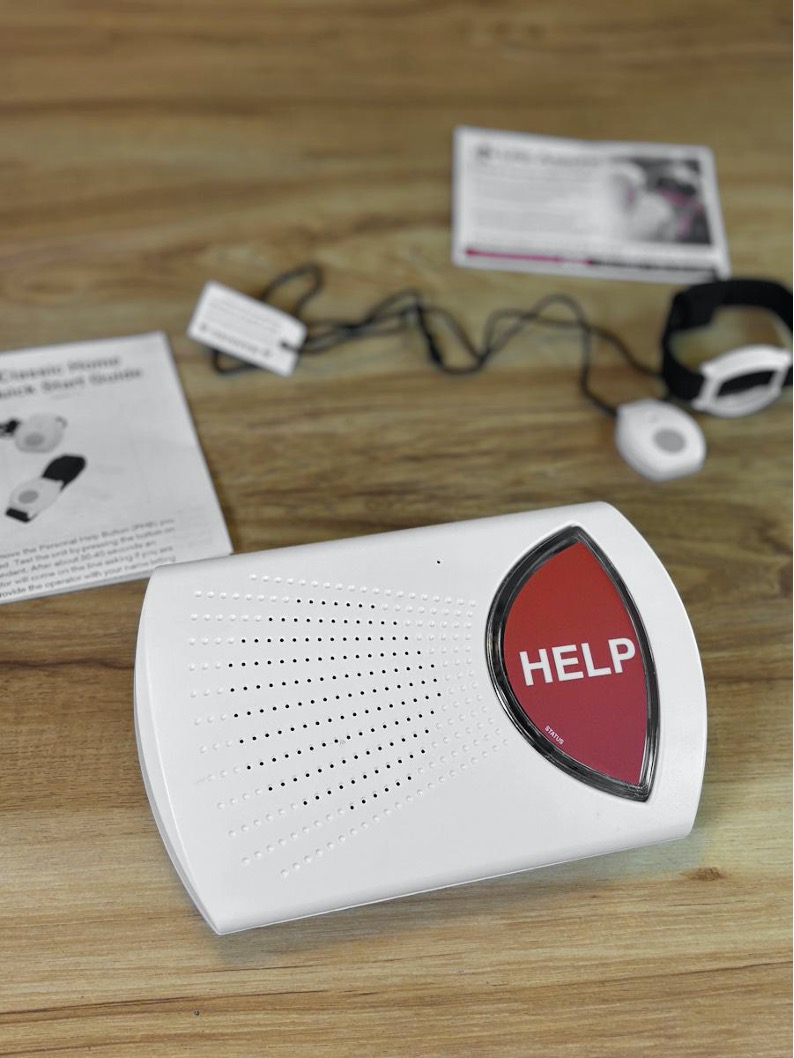
That worry is understandable. Falls are the leading cause of injury-related hospital admissions for people aged 65 and over. Many local families now borrow an idea used widely across Canada, fitting a parent with Life Assure medical alert systems so help is always one button away.
Why Do Falls Put Warrington’s Older Residents at Risk?
A fall can change an older person’s life in seconds. It is the most common reason older adults end up in hospital, and the risk climbs with age.
The scale is easy to underestimate. Around 1 in 3 adults over 65 has a fall each year, and the share rises sharply past 80. A broken hip or a long spell on the floor can shatter the confidence that keeps someone living alone.
Most of these falls are not inevitable. Clearing stairs, better lighting, and grab rails all feature in trusted falls prevention advice. Global research on preventing falls reaches the same point: act early and outcomes improve.
What Features Matter Most When Choosing a Medical Alert?
A good device does one thing reliably: it connects the wearer to help fast. The best options do this without making daily life feel medical or restrictive.
Here are the features worth checking before choosing:
- Automatic fall detection that raises an alert even if the wearer cannot press a button.
- Two-way voice so a monitoring centre can talk to the wearer straight away.
- A response service that operates 24/7, every day of the year.
- GPS location for walks, shopping trips, and time in the garden.
- Cellular connection that works without home broadband or a mobile phone.
- A waterproof pendant, since many falls happen in the bathroom.
Not every wearer needs every feature. A keen walker benefits from GPS, while someone mostly at home may value a simple base unit. Match the device to the daily routine, not to a sales pitch.
How Do Local Warrington Services and Devices Work Together?
A personal alarm works best as one part of a wider safety net. Family visits, neighbours, and local services all matter alongside the device.
Image courtesy of Life Assure
Alt text: A Premium Mobile Plus medical alert device clipped to a belt at the hip for use outside the home
Warrington already has strong community support for older residents. The council-backed CareCall alarm service has helped people stay in their own homes for years. Charities and care teams add another layer, from dementia support efforts to social groups that ease isolation.
Carers carry much of this quietly. Local events marking Carers Week remind us how many families juggle work, children, and an ageing parent. A reliable alert device does not replace that care. It gives carers a little breathing room, so a missed phone call does not spark panic.
Which Type of Alert Suits Different Living Situations?
The right choice depends on where and how the person lives. A home-only unit suits one household, while a mobile device suits another.
Use this quick comparison as a starting point:
| Living situation | Best fit | Key reason |
| Mostly at home, low mobility | Home base unit with pendant | Covers every room with a strong signal |
| Active, walks and shops daily | Mobile device with GPS | Works outside the home and on the move |
| Early memory changes | Mobile device with location | Family can find the wearer if needed |
| Lives with a partner | Wearable pendant each | Either person can call for help |
A few practical tips help the device earn its keep:
- Charge it at the same time each evening, like a phone.
- Test the button once a month with a named contact.
- Update the emergency contact list whenever it changes.
How Should Families Start the Conversation?
The hardest part is often the talk, not the technology. Older residents can hear a safety suggestion as a hint that they are no longer coping.
Timing and framing help. Raise it after a calm, ordinary day rather than in the anxious hours after a fall. Present the device as something that gives the whole family peace of mind, and let the wearer choose the colour and style. When the decision feels shared, the device is far more likely to be worn every day.
What to Remember
- Falls are the top cause of injury hospital admissions for people over 65.
- Fast help improves outcomes, so a quick way to call matters most.
- Match the device to the routine: home unit, mobile GPS, or both.
- A personal alarm supports carers and local services, it does not replace them.
- Frame the conversation around shared peace of mind, not lost independence.
A Safer Warrington, One Home at a Time
Helping an older parent stay safe is really about helping them keep the life they built. A modern alert device is a small, quiet piece of that plan. It lets Warrington families worry a little less, so the visits and phone calls can be about connection rather than fear.
FAQ
Do These Devices Work Outside the Home?
Mobile models use cellular networks and GPS, so they work on walks, at the shops, and around town. Home-only units cover the house and garden within range of the base station. Choose based on how active the wearer is.
What Happens When the Button Is Pressed?
The device connects to a monitoring centre that operates 24 hours a day. A trained operator speaks to the wearer, assesses the situation, and contacts family or emergency services as needed. Serious emergencies are escalated to 999 straight away.
Is a Device Useful if Someone Lives With a Partner?
Yes, because a partner may be out, asleep, or unable to help during a fall. Each person can wear their own pendant for independent cover. It also protects the more able partner if they are the one who falls.
Can the Pendant Be Worn In the Shower?
Most current pendants are waterproof or splash-resistant, which matters because many falls happen in the bathroom. Always confirm the water rating before buying. Wearing it during washing and showering closes a common gap in cover.