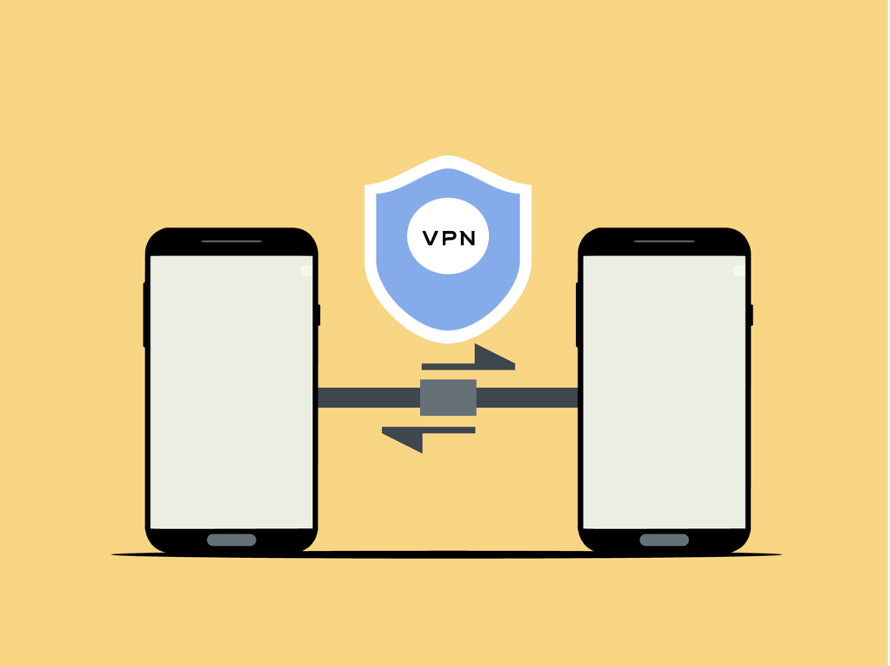
The internet feels instant and borderless on the surface — but there’s a powerful system quietly working behind the scenes that shapes how billions of people actually experience it.
Most people have heard of VPNs, but few really grasp what the infrastructure behind them does beyond the obvious. The truth is that global VPN servers influence far more than just your apparent location — speed, security, accessibility, and reliability all get shaped at the server level, quietly, every time you connect. Once you understand how that works, the way you use these tools changes completely.
How server location actually shapes your experience
Every time you connect to a VPN, your traffic gets handed off to a server somewhere in the world. That one decision — which server, in which country — changes how websites and online services respond to you entirely. A server nearby typically means faster speeds, since the data simply has less ground to cover. Connect to one on the other side of the planet, and you might trade a bit of speed for access to content that’s off-limits from where you’re sitting.
The interesting part is that choosing a location isn’t really about geography at all. It’s about getting the right outcome — whether you’re trying to stream something, work remotely, or just browse without restrictions. The two don’t always point in the same direction, and figuring out that balance is where experienced users start to see real results.
Speed isn’t just about your internet plan
A lot of people assume that when their connection feels sluggish, the blame falls on their ISP. That’s often not the whole story. When too many users pile onto a single VPN server, performance takes a hit — sometimes a dramatic one. It’s the same reason highways slow down during rush hour.
Providers that have invested seriously in expanding their server networks sidestep this problem. More locations mean traffic gets spread out naturally, and users have real options when one server feels congested. The upshot: raw internet speed matters less than where your packets are actually going.
Privacy depends on more than just encryption
There’s a layer to VPN privacy that most people overlook entirely: jurisdiction. The country where a server is physically located determines which laws apply to the data passing through it. Some countries have strict rules limiting what providers can log and for how long. Others are far more permissive — or actively require data to be handed over under certain conditions.
This means that picking a server isn’t just a technical choice. For anyone serious about keeping their information private, knowing something about the legal environment of different regions can make a meaningful difference. It’s not paranoia — it’s just understanding how the system actually works.
Getting past borders — and why it matters beyond streaming
Accessing region-locked content is probably the most talked-about reason people use VPNs, and for good reason — it works well. Streaming libraries, news sites, and various online tools all limit what’s visible based on where you’re connecting from. Routing through a server in another country usually gets around that.
But it’s not just about catching a show that hasn’t launched in your market yet. Travelers often find that services they rely on daily simply stop working once they cross a border. Professionals working across time zones face the same friction. A well-chosen server connection smooths all of that out and keeps the experience consistent regardless of where you physically happen to be.
The infrastructure doing the heavy lifting
Behind every VPN connection sits engineering that most users never think about. Traffic gets encrypted in transit, load is distributed across servers to prevent bottlenecks, and some providers have gone further — running their infrastructure entirely in RAM, so nothing is ever written to disk in the first place. It’s a level of operational care that makes a real difference, even if you never directly see it.
When you start looking at VPN technology as infrastructure rather than a simple privacy tool, the scope of what it actually does becomes a lot clearer. Speed, access, legal protection, and resilience all flow from decisions made at the server level — decisions most users don’t realize they’re making. That understanding alone changes how you use these tools and how much you get out of them.