Buying a car is easy to think about in headline numbers. A list price, a monthly repayment, maybe a rough insurance estimate, and suddenly the decision feels manageable. The problem is that the real cost of motoring is always bigger than the number on the windscreen.
Before committing to any vehicle, UK buyers should look at the full financial picture: not just how to get the car, but how to run it, maintain it, and absorb the less glamorous costs that arrive after the excitement of purchase day has worn off.
Looking Beyond the Purchase Price
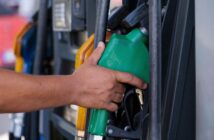
The purchase price matters, but it is only one part of the equation. Insurance premiums can vary sharply depending on the model, driver profile, and postcode. Fuel costs still fluctuate, and servicing, tyres, MOTs, repairs, parking, and vehicle tax all add to the monthly and annual total. Depreciation deserves attention too, because some cars lose value much faster than others, which can affect what feels like a “good deal” over time.
Tools That Help Buyers Plan Their Budget
Good budgeting becomes much easier when buyers use the right tools before they apply. A proper budget planner can help map out income, fixed outgoings, variable costs, and how much room is genuinely left each month for motoring.
That is far better than working backwards from a car someone likes and trying to force the maths to behave. Some buyers also use a car finance calculator to estimate likely monthly repayments before deciding what feels affordable in practice, which can be a useful step in narrowing the search to realistic options.
Understanding Monthly Finance Commitments
For buyers using finance, the monthly figure needs a little more scrutiny than most people give it. Car finance agreements can be structured in different ways, and the cheapest-looking monthly payment is not always the best overall option. The important thing is to understand what is being paid, for how long, and what obligations sit at the end of the agreement.
Making a Financially Sensible Car Purchase
The smartest car purchase is usually not the most impressive one. It is the one that fits comfortably into real life six months later, when insurance has renewed, the tyres need replacing, and the novelty has faded. Buyers who budget properly before purchasing tend to make calmer, better decisions because they are balancing vehicle choice with long-term affordability rather than emotion.
That doesn’t make the process less exciting. It just makes it more sustainable. In the end, a sensible car budget is not about spending as little as possible. It is about understanding the full cost clearly enough to buy with confidence.