Hair loss has always been treated as an unavoidable part of male ageing, a quiet burden men are expected to accept without complaint. Society often frames balding as a trivial issue, something to be laughed off or “just embraced.”
Yet behind closed doors, many men experience a very different reality: anxiety, reduced self-esteem, and a sense of losing their identity long before their time.
According to The Treatment Rooms London, hair restoration surgery is becoming far more than a cosmetic fix. It is a profoundly emotional turning point that restores confidence, improves mental well-being, and helps men feel like themselves again.
The question is no longer merely “Does a hair transplant work?” but rather, “Why do we expect men to suffer in silence when a proven solution exists?”
The Emotional Weight of Hair Loss: More Than Vanity
Hair thinning often begins in a man’s late twenties or early thirties — precisely when careers, relationships, and self-identity are still taking shape. Research consistently shows that visible hair loss can significantly impact self-esteem, with many men associating balding with ageing, decline, or reduced attractiveness.
Some begin avoiding social events, photographs, dating platforms, or professional opportunities due to insecurities about their appearance, and a portion experience low-level depressive symptoms linked directly to these changes.
Despite this, men are rarely encouraged to speak openly about these feelings. While women often have more social permission to discuss aesthetic concerns, men are expected to “tough it out,” which can intensify the emotional weight of hair loss.
The silence surrounding male insecurity turns a common biological condition into a powerful source of self-doubt. In that context, choosing a hair transplant becomes less an act of vanity and more a meaningful step toward restoring psychological well-being.
Why a Hair Transplant Changes More Than Your Hairline
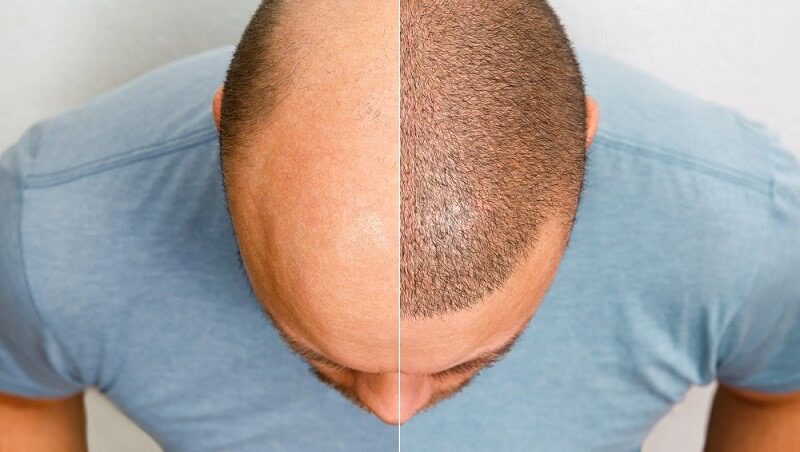
Modern techniques such as FUE (Follicular Unit Extraction) have transformed the field. Unlike older methods that left large scars or unnatural “pluggy” results, today’s procedures focus on creating natural density, age-appropriate hairlines, and seamless blending.
But the most significant changes aren’t physical, they’re psychological.
1. Confidence Rebounds Quickly
Men frequently describe the experience as “getting their identity back.” As the transplanted hair grows in over months, many report:
- Increased social confidence
- Greater willingness to engage in conversations or public speaking
- Reduced anxiety about appearance
- A return to feeling “young, sharp, and in control”
2. Improvements in Mental Well-Being
A restored hairline often quietens the constant internal dialogue that accompanies balding — the persistent thoughts of “Is my scalp showing?”, “Is everyone noticing?” “Do I look older than I am?” Once those worries begin to fade, many men report noticeable improvements in mood, sharper focus, a healthier sense of self-perception, and greater emotional stability in social situations.
3. Positive Effects on Work and Relationships
Research shows that appearance and confidence play a significant role in shaping first impressions, professional negotiation and leadership presence, as well as dating confidence and overall social ease. When men feel aligned with how they present themselves, these areas naturally strengthen, allowing them to engage more openly, assertively, and authentically in both personal and professional settings.
Do Men Really Have to Cope With Balding?
This is the central question, and the modern answer is: No.
Men do not have to silently endure the emotional impact of hair loss. They do not have to absorb the jokes, the societal pressure, or the unspoken message that caring about appearance somehow undermines masculinity.
Hair transplants offer a medically safe, long-term solution that directly addresses the psychological weight of balding. For many men, it is not about reversing ageing but about restoring self-assurance and reclaiming control over how they feel in their own skin.
Self-Confidence, Not Vanity
It is important to challenge the stigma that hair restoration is shallow or superficial. Mental health professionals increasingly recognise the deep emotional connection between how we appear and how we experience ourselves.
When a man feels his reflection no longer matches his inner energy, that disconnect can become quietly distressing. Restoring the hairline can resolve that internal mismatch — not by creating a new identity, but by giving back the one he felt he was losing.
Hair transplants won’t solve every insecurity, but they can dramatically transform the way a man feels about himself. And when the mind is freer from constant self-scrutiny, confidence expands, relationships strengthen, and quality of life improves.
So the real question isn’t “Why get a hair transplant? It’s “Why should any man feel he must suffer the emotional impact of hair loss when a solution exists?”