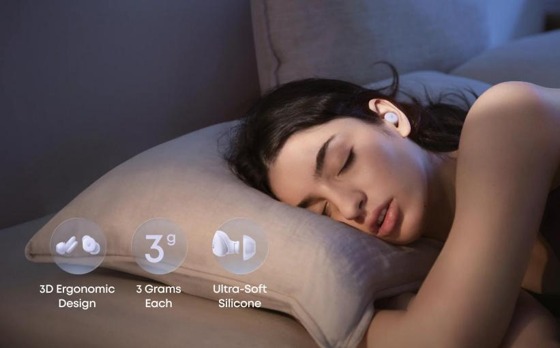
Falling asleep in a quiet room sounds easy, but many people lie awake while their mind keeps reacting to small sounds. White noise is one of the most popular bedtime tools because it replaces sudden noises with one steady, continuous signal. It does not switch off the brain, but it can make a room feel more predictable and less alerting.
The best use depends on choosing the right sound, setting a sensible volume, and pairing it with a calm routine. In this article, we explain what white noise can and cannot do for falling asleep faster.
Understand What White Noise Really Does
Why a Steady Sound Helps Some Sleepers
White noise works mainly by reducing the difference between quiet gaps and sudden sounds that grab your attention. When traffic, doors, or voices occur, the steady hiss or hum makes those spikes less noticeable. This is why sound masking often helps more in shared homes, hotels, or rooms near a busy street than in a room that is already silent. The sound does not need to be loud, and many people fall asleep more easily when the room feels steady and calm. It can also make a change of environment less distracting on the first night in a new place.
What White Noise Cannot Fix
White noise is not a sedative, so it will not force a busy mind to slow down if stress or anxiety is keeping you awake. It also cannot replace the basics of sleep hygiene, such as a regular bedtime, a dark room, and a comfortable bed. If you need silence to rest or find continuous sound irritating, white noise may make the problem worse rather than better. Some people sleep best with nature sounds, quiet music, or no audio at all, so the right choice is personal. For persistent insomnia, tiredness, or loud snoring that affects your health, professional advice matters more than any sound source.
Build a Sound Routine That Works for You
Choose a Sound and Volume You Can Ignore
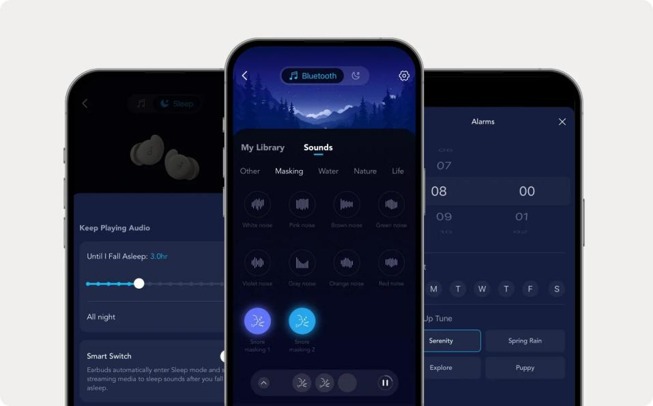
The ideal bedtime sound sits just above the background noise you want to cover without becoming a new distraction. White noise, rain, and calm soundscapes are worth trying, and a compact model such as soundcore sleep earbuds makes the test easier by keeping relaxing sounds and noise masking close to your ear without adding noise for a partner. Keep the volume low enough to hear an alarm in the morning and comfortable enough that the sound fades into the background. A familiar white-noise loop may help one person, while ocean sounds help another, so choose the tone that feels neutral rather than interesting. Once you find that sound, repeat it at roughly the same level every night so it becomes a calm cue for sleep.
Keep the Sound Steady Until Morning
A timer can help you fall asleep, but some people wake when the audio stops suddenly. Choose a setting that either continues gently through the night or fades out at a point that suits your sleep pattern. A loop without awkward gaps works better than a short track that restarts loudly and interrupts the transition between sleep stages. If you share a bed, make sure the volume does not disturb your partner and check whether one ear is enough for comfort. Consistency matters more than finding the perfect track, because your brain learns to treat the same sound as a safe cue for sleep.
Make White Noise Part of a Broader Wind-Down
Use the Same Cues Every Night
The brain associates repeated signals with sleep, so the same sound can become more effective when it appears at the same point in your evening routine. Turn down lights, put away screens, and start your chosen audio about twenty to thirty minutes before you intend to sleep. Keep the sequence simple enough to repeat after travel, late work, or a disrupted schedule because routines work best when they are easy to follow. If white noise helps on difficult nights, use it every night so it remains a calm signal instead of an emergency fix. Over time, starting the sound can cue your body that the day is ending.
Notice How Your Sleep Responds
Track a few nights with sound and a few nights without it so you can compare how quickly you fall asleep and how rested you feel. Do not judge the result by one noisy night, because travel, stress, meals, and activity all influence sleep. If white noise seems to help, keep the same settings; if it makes no difference, try a different sound or return to silence without guilt. Pay attention to ear comfort, ringing, or irritation because overnight audio should never cause pain or strain. When sleep problems continue for weeks, speak to a doctor before assuming that any sound source will solve the underlying cause.
Conclusion
White noise can help some people fall asleep faster by making the room feel steadier and masking disruptive sounds. It is not a sleep medication, and it works best when the volume, tone, and timing fit your own routine. Choose an audio style you can ignore, keep it consistent through the night, and pair it with familiar bedtime cues. Watch how your body responds and change the approach if sound makes sleep harder instead of easier. With the right balance, white noise becomes one useful tool in a healthy and realistic sleep routine.