
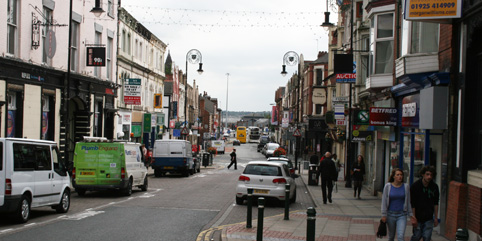
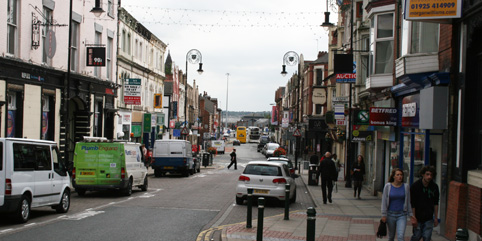
TOWN Hall licensing chiefs at Warrington meet next week to consider a police bid to stop the sale of alcohol in the town centre after 2am.
Cheshire Police want the borough council to implement an Early Morning Alcohol Restriction Order (EMRO) to reduce levels of drink-fuelled crime, anti-social behaviour and violence.
They accept that measures already adopted have reduced levels of crime and anti-social behaviour in Warrington, but believe an unacceptable problem still exists and further action is needed if the town is to shake off its reputation for late night violence and disorder.
Police came up with the proposal back in July and the borough’s licensing committee was due to consider it on September 3.
But the issue was put on hold after councillors were told introducing an EMRO was bound by extremely complex legislation and followed a complicated process.
As a result, officers believed the matter should be deferred to gather more evidence and give the committee time to form a view.
An EMRO would give the council power to restrict the supply of alcohol for any period of time between midnight and 6am in any area where there are recurring problems of alcohol-related crime and disorder, serious public nuisance and other anti-social behaviour.
Warrington has 51 premises permitted to sell alcohol in the town centre, more than half of which are in the immediate vicinity of Bridge Street. The town centre’s night time economy has a capacity for up to 10,000 people.
A report by the police states: “The town is relatively unique in respect of the density and type of licensed premises – ie, vertical drinking and loud music.
“The area around Bridge Street also suffers from a lack of a diverse clientele, with many visitors in the age range of 18-30, which presents many policing challenges with premises closing as late as 6am.”
Warrington has significantly higher rates of hospital admissions from alcohol related conditions compared with the rest of the country – and the rate is increasing year on year.
There are high levels of drinking to unsafe levels and binge drinking and women have significantly higher death rates from chronic liver disease. Death from alcohol related conditions are significantly higher in Fairfield and Howley.
Police say they are mindful that many businesses in the town centre are struggling as a result of the economic recession and that an EMRO that was not properly managed could have a further negative impact on business.
But they believe the future of the area could be protected and enhanced by collaboration between all partners, including business owners.
They say with the borough council’s proposed investment in the central area, alongside agreement on a consistent closing time, a pavement café environment, entertainment and collaborative re-launch, a sensibly agreed EMRO could be the catalyst to a new town centre.
If the licensing committee decides an EMRO should be introduced they will have to refer the matter to full council for decision.
If the council decided to go ahead with the restriction there would then be a consultation period during which objections could be received.
Picture: Bridge Street – focal point for drink-fuelled violence and disorder.



5 Comments
No discussion needed, get on with it.
Very good idea but midnight would be even better. I’m sure the police and A&E would endorse this.
its a useless idea, its a known fact that many of these people get tanked up on cheap booze at home before they even hit town, then if they drink heavily for a few hours, say between 8 – 11pm they are already a problem. Its not the time that they spill out onto the street that is the problem, its the amount consumed in the hours leading up to the bar closing…….
Having granted late licenses to bar and club owners in the first place – many of whom have then invested millions in their premises and businesses – surely the council risks being sued if they simply revoke those licenses on a blanket basis rather than targeting the problem bars.
So, the best solution to reducing unacceptable behaviour from up to 10,000 drunken people is to make them all go home – much earlier than they’re used to – at the same time. Yeah, that’ll work.