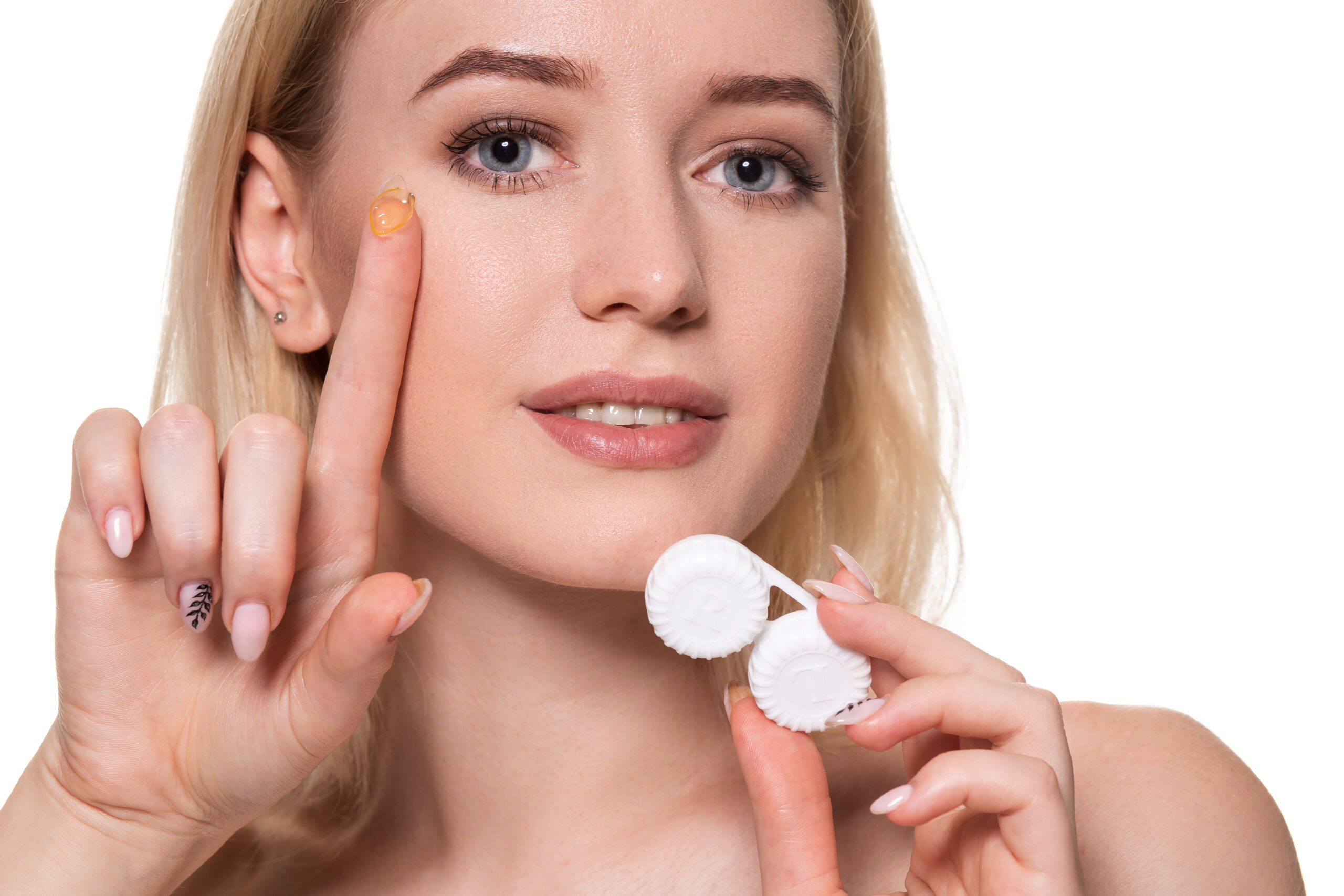
Walk into any optician in Warrington and the contact lens conversation usually goes one of two ways. Either someone has been wearing monthly lenses for years and never really questioned whether there was a better option, or they tried contacts once, found them more maintenance than they expected, and went back to glasses.
Daily contact lenses are the answer to both situations, and the reason more people are switching to them comes down to something straightforward: they are simply easier.
What Daily Contact Lenses Actually Are
Daily contact lenses are single-use disposables. You put them in in the morning, wear them through the day, and throw them away at night. No lens case. No cleaning solution. No soaking overnight. No remembering whether today is day twenty-two or day twenty-six of a thirty-day lens.
The lens is fresh every time you put it in. That matters more than it sounds. Monthly lenses accumulate protein deposits from the tear film across their wear cycle regardless of how carefully they are cleaned, and those deposits are one of the most consistent contributors to end-of-day lens discomfort. A daily lens starts clean every morning and stays that way, which is why wearers who switch from monthly to daily lenses frequently report that lenses feel comfortable considerably later in the day than they used to.
The Practical Advantages That Add Up
The cleaning routine for monthly lenses takes roughly thirty seconds morning and evening and feels like nothing on any individual day. Across a year of wearing, it adds up to several hours of a maintenance task that daily lens wearers simply never do. For anyone who travels regularly, the absence of solution bottles and lens cases from the bag is a small and genuinely pleasant simplification.
The hygiene argument is the more clinically significant one. Contact lens cases, when studied microbiologically, are frequently found to harbour bacteria and other microorganisms even in wearers who clean them regularly. Contaminated lens cases are a consistent source of eye infections in contact lens wearers. Daily lenses eliminate the case entirely and with it one of the more common infection risk factors in the category.
For parents of children or teenagers wearing contact lenses, the compliance argument is worth knowing about. The cleaning and care routine for monthly lenses requires consistent discipline that younger wearers do not always apply reliably. Daily lenses remove the compliance requirement entirely. There is no routine to forget. The lens goes in, gets worn, and goes in the bin.
Who Benefits Most From Daily Lenses
The honest answer is most contact lens wearers, but a few situations make the case particularly clearly.
Occasional wearers, people who wear contacts for sport, evenings out, or specific occasions rather than daily, benefit most directly from the daily format. A monthly lens worn three days a week ages on a calendar that has nothing to do with how much it has actually been used. A daily lens worn three days a week costs exactly three days’ worth of lenses with no waste and no compromise on freshness.
Wearers with dry eyes or allergy-prone eyes find daily lenses more comfortable than monthlies because the deposit buildup that worsens dry eye and allergy symptoms across a monthly wear cycle is reset every morning. The relationship between lens deposits and end-of-day discomfort is well-established clinically, and switching to daily lenses is one of the first recommendations for wearers reporting increasing end-of-day symptoms on monthly lenses.
Busy people who want the simplest possible routine get it with daily lenses. No decisions, no maintenance, no accessories. Just lenses that go in and come out.
Daily Lenses Online: What to Know Before Ordering
Daily contact lenses ordered online through a UK-registered retailer are clinically identical to those bought through a practice. The lenses are manufactured by the same companies, to the same specifications, and the prescription requirement is the same. The difference is price and convenience.
A current contact lens prescription is required before any legitimate UK online retailer will fulfil an order. Contact lens prescriptions are separate from glasses prescriptions and include the base curve, diameter, and power appropriate for the specific lens brand. They are typically valid for one to two years and can be requested from the practice that conducted the contact lens check.
The price difference between online ordering and practice purchasing for the same daily lens brand is consistent enough across the market to make a noticeable difference to the annual spend. For a wearer going through a box of thirty lenses per eye per month, that difference across a year is worth checking against what the current supplier is charging.
A Word on Eye Tests
Switching to daily contact lenses, or starting contact lenses for the first time, requires a contact lens assessment with a qualified optician. This is not a formality. The assessment confirms that the lens fits correctly on the cornea, that the prescription is appropriate for the specific lens brand, and that the wearing schedule is clinically suitable for the individual eye.
Warrington has a range of optical practices where this assessment can be carried out, and many offer contact lens trials before a prescription is issued. Once the prescription is in hand, reordering online is straightforward and available from multiple reputable UK retailers who deliver to Warrington and the surrounding area.
The eye test and contact lens check are worth keeping current regardless of where the lenses are purchased. The clinical oversight protects eye health in a way that the savings made on reordering do not substitute for.
The Bottom Line
Daily contact lenses are not a premium option for people with high standards and low tolerance for inconvenience. They are the most practical format for most contact lens wearers and the one that the majority of practitioners recommend when asked without reference to price. The cost per day is higher than monthly lenses. The absence of cleaning routine, lens case, and deposit buildup is worth more than that difference for most people once they have experienced it.
For anyone in Warrington currently wearing monthly lenses out of habit rather than considered preference, the switch to daily lenses is worth making.