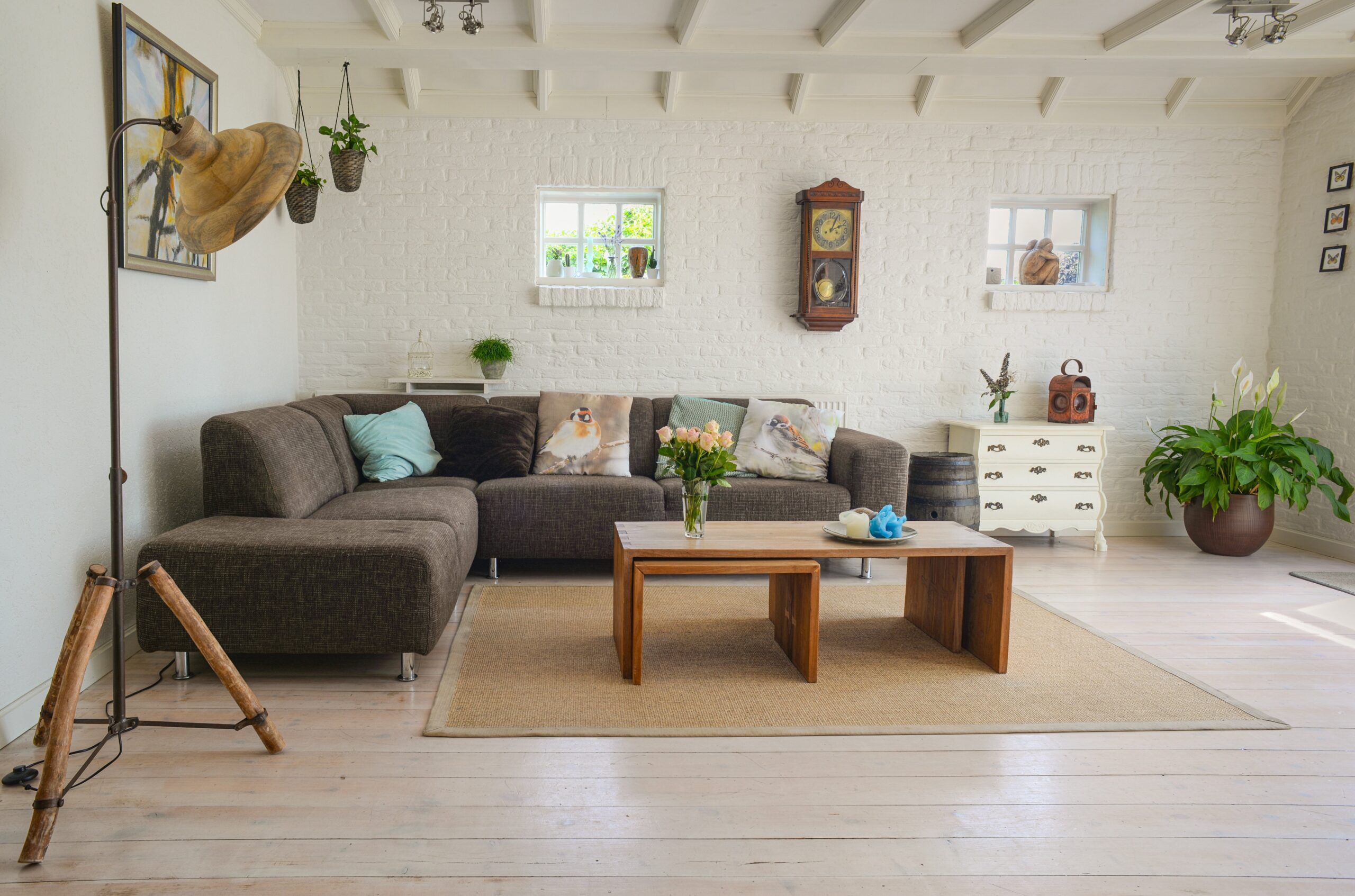
Wooden furniture has a way of making a home feel warm, welcoming and timeless. Whether it is an old dining table, a well-loved chest of drawers or a wooden chair passed down through the family, good furniture can last for decades. However, everyday use can eventually leave its mark.
Scratches, faded finishes, small dents and water marks are common signs of wear. Fortunately, you do not always need professional help to give wooden furniture a new lease of life. With a little patience and a few simple techniques, many pieces can be refreshed at home.
Start With a Thorough Clean
Before carrying out any repairs, begin by cleaning the furniture properly. Dust and dirt can build up in corners, around handles and along the edges of drawers, making the surface look duller than it really is.
Use a soft cloth and a gentle cleaning solution suitable for wood. Avoid soaking the furniture, particularly if it is made from older or unfinished timber. Excess moisture can work its way into the wood and cause swelling or other damage.
Once the piece has been cleaned, allow it to dry completely. This also gives you a better idea of what actually needs attention.
Deal With Small Scratches
Minor scratches are among the easiest imperfections to improve. For very light marks, gently rubbing the affected area with a suitable furniture treatment may be enough to make the scratch less noticeable.
Deeper scratches require a little more care. Lightly sanding the damaged area can help smooth the surface, but it is important not to remove more material than necessary. Always work carefully and follow the direction of the wood grain.
If the scratch has created a small indentation or gap, a suitable wax filler can be useful for filling the damaged area and creating a smoother surface before refinishing.
Repair Small Dents and Holes
Small dents are another common problem, especially on tables and other furniture that gets used regularly. Depending on the type of wood and finish, gentle treatment can sometimes reduce their appearance.
For larger imperfections, filling the damaged section may provide a better result. The filler should be applied carefully and allowed to dry according to the manufacturer’s instructions. Once it has hardened, the area can usually be sanded smooth before applying a new finish.
Always test your chosen repair method on an inconspicuous area first. Different types of wood and finishes can react differently.
Give the Surface a Fresh Finish
Once repairs are complete, you can consider refreshing the overall finish. Sanding may be necessary if the existing coating is badly worn, but it should be done gradually rather than aggressively.
If you want to retain the natural appearance of the timber, a suitable wood oil or clear finish can enhance the grain while providing additional protection. Alternatively, paint can completely transform an older piece and give it a more contemporary appearance.
The key is preparation. A clean, smooth surface will produce a much better result than trying to cover imperfections without addressing them first.
Replace Worn Hardware
Sometimes furniture looks tired simply because its hardware has aged. Handles, knobs, hinges and drawer pulls can become scratched, loose or discoloured over time.
Replacing them is a relatively simple way to change the appearance of a piece without carrying out a major restoration. You can choose traditional hardware to preserve its original character or select a more modern design for a fresh look.
Before buying replacements, measure the existing fittings carefully. This can save you from having to drill additional holes or make unnecessary alterations to the furniture.
Protect the Furniture Afterwards
Once your restoration work is finished, protecting the furniture is just as important as repairing it. Avoid placing hot drinks directly on wooden surfaces and use coasters or mats where appropriate.
Keep furniture away from prolonged direct sunlight when possible, as strong UV exposure can gradually change the colour of the wood. It is also worth keeping humidity levels reasonably consistent, particularly with older solid-wood furniture.
Regular dusting and occasional cleaning will help prevent dirt from becoming embedded in the finish.
Take Your Time With Older Pieces
When restoring vintage or antique furniture, resist the temptation to make everything look brand new. Original finishes, small marks and natural signs of ageing can be part of a piece’s character.
Before sanding, painting or stripping an older item, consider whether its existing finish has historical or decorative value. Sometimes a gentle clean and minor repairs are all that is needed.
A Little Work Can Make a Big Difference
Restoring wooden furniture at home does not have to be complicated. Cleaning the surface, repairing scratches and dents, refreshing the finish and replacing worn hardware can make a surprisingly big difference.
Most importantly, take your time and choose methods that suit the particular piece. With careful attention, even tired wooden furniture can become an attractive and useful part of your home again.