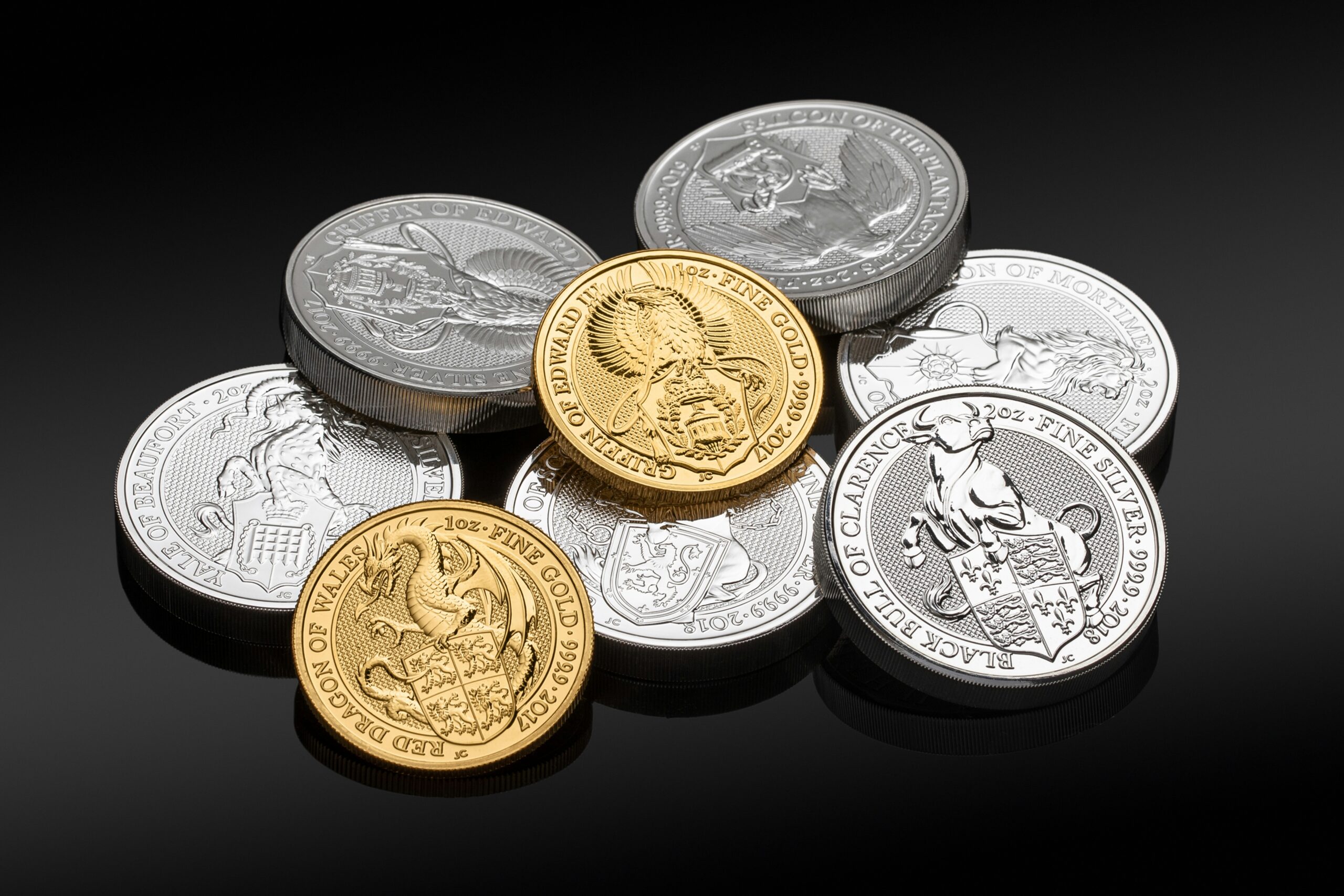
Two pieces of silver can contain the same amount of metal yet present different questions at the trading counter. One carries a familiar national design and clearly stated specifications; the other needs more explanation before a price discussion can begin.
That distinction frames the continuing role of government-minted coins in the precious metals trade. Recognition matters in a market where physical objects change hands, and where the identity of each object remains part of the transaction.
The subject also needs a boundary between everyday coinage and bullion. Both come from minting institutions, but their relationship with money is quite different. That difference begins with what a mint’s mark actually communicates.
The Short Answer: Trust Is Struck Into the Coin
Government-minted bullion coins remain useful because a sovereign guarantees their stated metal weight and fineness. Their legal tender status, standard specifications, and recognisable designs give the market a common basis for trading them.
Everyday coinage commonly uses base metals, including copper-nickel, nickel-plated steel, and brass, while bullion coins contain gold, silver, platinum, or palladium. Base-metal circulating coins function as money by decree; bullion coins trade primarily for their metal, with a nominal face value attached.
That distinction explains why a denomination alone says little about bullion’s trading value. The mint’s guarantee reduces the need to establish composition from scratch, making resale more straightforward than with anonymous metal.
A familiar design can still be copied, however. Institutional provenance explains who stands behind a genuine issue; authentication establishes whether the object under examination is genuine.
Why a State Guarantee Makes Bullion Easier to Trade
A precious-metals transaction involves more than agreeing on the value of metal. The parties also need to establish what the object is and whether it matches its description. A recognised sovereign issue gives that discussion an established reference point rather than an unfamiliar starting point.
What Centuries of Mint Heritage Add to Provenance
The Royal Mint has struck coinage for over a thousand years, connecting modern bullion with an institution long associated with national money. Portraits of British monarchs make that connection visible, while the Royal Mint Museum preserves the record of designs, production, and institutional continuity.
For modern Britannia bullion, this heritage provides context for the issuer’s identity. As the distinction above makes clear, it supports confidence in the institution without establishing the authenticity of every individual coin.
Sovereign Coins That Dealers Accept on Sight
Recognition starts with familiar issues: the United States issues the American Silver Eagle in .999 fine silver with a $1 denomination, Britain the silver Britannia in .999 fine silver with a £2 denomination, South Africa the silver Krugerrand in .999 fine silver with a one-rand denomination, and Canada’s 1 oz Silver Maple Leafs from the Royal Canadian Mint carry .9999 fine silver and a CAD $5 face value.
The Canadian Silver Maple Leaf also illustrates how design supports examination: radial lines and micro-engraved security marks provide details against which a coin can be checked. Recognition narrows the identification task; it doesn’t eliminate verification or guarantee a particular resale spread.
Face Value, Metal Value and What a Coin Really Costs
A denomination and a trading price answer different questions. The number stamped on a bullion coin identifies its monetary denomination, while a market quotation reflects the metal and the terms of the physical transaction. Treating those numbers as interchangeable obscures how bullion changes hands.
Why Legal Tender Face Value Rarely Sets the Price
The Royal Canadian Mint’s 100 kg gold Maple Leaf, first struck in 2007, makes the distinction especially clear. It carries a CAD $1,000,000 denomination, but its gold content is worth several times that amount. The inscription isn’t a quotation for its metal.
The same distinction applies to smaller bullion issues. A silver coin’s face value doesn’t describe the cost of producing it, distributing it, or replacing its silver content.
Neither is the denomination a promise that a secondary-market buyer will pay a particular amount. Sovereign identity and physical metal valuation remain separate.
How Spot Price and Premium Price a 1 oz Silver Coin
A straightforward pricing model has two components: the silver spot price for the stated fine-metal content, plus a premium for the finished coin. That premium covers fabrication, distribution, inventory, and the seller’s margin, and it changes with supply and demand.
The resale side is a separate quotation.
A Canadian Silver Maple Leaf and a generic round can contain the same fine-silver weight without carrying identical premiums. Their issuer, recognisability, condition, and availability differ. A higher purchase premium doesn’t automatically return in full on resale.
The difference between an asking price and a repurchase bid is therefore more informative than the premium alone. Standard specifications make comparisons easier without fixing that spread.
From 90% Silver Coinage to Modern Bullion Standards
Older circulating silver introduces another distinction: precious-metal content doesn’t necessarily mean near-pure metal. US dimes, quarters, and half dollars dated 1964 or earlier contain 90% silver. Their denomination identifies a coin type, not its fine-silver weight.
The shorthand “old coins contain silver” is too broad. Cents and most nickels contain no silver. Wartime nickels from 1942 to 1945 contain 35% silver, while Kennedy half dollars from 1965 to 1970 contain 40%. The Coinage Act of 1965 removed silver from dimes and quarters.
These differences explain why mixed circulating coinage needs sorting by issue and composition before its metal content can be calculated. Coins with the same combined face value don’t necessarily contain the same amount of silver.
Britain’s transition followed its own sequence: circulating silver moved to a 50% alloy in 1920 before silver disappeared from ordinary circulating issues in 1947. Decimalisation changed the monetary system in 1971, separately from silver’s removal.
Modern bullion programmes draw a clearer boundary between spending money and precious-metal holdings. Dedicated silver issues state fineness such as .999 or .9999, rather than asking the market to infer content from an older denomination and its production period.
Why Sovereign Coins Still Anchor the Metals Trade
Government-minted coins persist because they bring several useful signals together in one recognisable object. The issuer establishes a reference, the design helps identify the issue, and standard specifications give the market a common basis for discussing metal content and price.
Their history explains that role without making it unconditional. Older silver coinage requires attention to composition; modern bullion still requires authentication; and neither a denomination nor a familiar design fixes a resale price.
The mint’s stamp is shorthand, not a substitute for every check. Its lasting value lies in reducing what must be explained each time a coin changes hands.