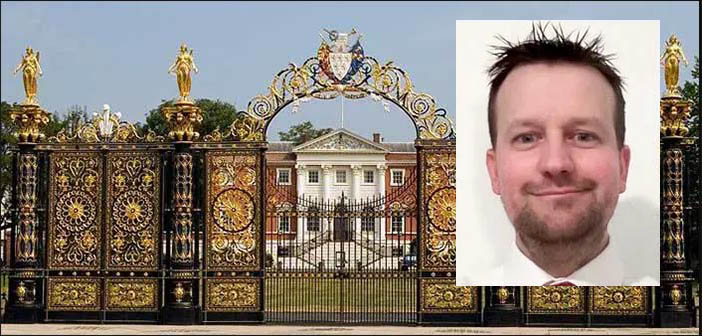
WARRINGTON Borough Council is pressing ahead with a further £51.2 million “savings programme” – taking the total value of savings it has now identified to around £90 million – as the Town Hall battles to close a staggering long-term financial gap.
The scale of the numbers is difficult to ignore. Back in March, the council reported an overall £179 million budget gap through to 2029/30.
The latest package of £51.2 million comes on top of the £39 million of savings already approved, leaving residents facing a second major round of reductions as the authority attempts to put its finances on a more sustainable footing.
And while the council insists it will continue to provide essential services, its own finance portfolio holder Cllr. Denis Matthews, who recently stated “most residents” would not feel the impact on the council’s’ day-to-day services, has acknowledged that the programme will involve “very difficult decisions” about what services the council can provide in future.
That is the uncomfortable reality behind the carefully-worded language of a “savings plan”.
The council says the proposals have been scrutinised by councillors, with the Scrutiny Committee considering them earlier this month before Cabinet approved the package on September 9.
Full Council subsequently endorsed the plan yesterday, Monday, September 21.
But for residents, the important question is no longer simply whether £51.2 million can be found.
It is what £51.2 million less spending actually means on the ground.
The council says it will still empty bins, fill potholes, cut grass and look after vulnerable people.
But it simultaneously acknowledges that delivering the £90 million of identified savings will require difficult decisions about services.
That raises obvious questions about what gets done less often, what disappears altogether, what residents will have to pay more for, and where demand is simply pushed elsewhere.
The latest package cannot be viewed in isolation.
Warrington’s financial crisis has been building for years, with the council facing a projected £179 million gap across the four years to 2029/30.
The authority is therefore attempting to reshape the way it operates rather than simply make a one-off round of cuts.
Cllr Denis Matthews, Cabinet member for finance, said the second phase represented progress towards a more financially sustainable council.
“We continue to face a significant financial challenge,” he said.
He described the savings plan as “credible” and said the authority was moving towards a “new, more sustainable, and simplified financial future.”
But he also issued a warning that could prove more significant for residents.
“Realising the overall £90 million of identified savings will continue to require very difficult decisions about the services we are able to provide in future.”
The council says protecting vulnerable residents remains a priority. That is unlikely to surprise anyone.
But the difficult political question is what happens to the services sitting outside that core safety net.
Libraries, parks, community facilities, highways, environmental services, leisure provision, support services and other council functions can all become targets when an authority is trying to reduce spending on this scale.
Even relatively small reductions can have a significant cumulative impact – particularly when residents are already experiencing pressure from the cost of living and increased demand for public services.
The council’s message is that residents should expect “a good level of day-to-day services”, but that this will have to be balanced against difficult decisions elsewhere.
In other words, the Town Hall is promising that the basics will remain – but it is also warning that things cannot continue as they have done.
Cllr Matthews said: “This process is going to be challenging, but it is doable.”
He pointed to other councils that have undergone similar financial restructuring and said Warrington would learn from their experiences.
But the size of the financial challenge means there is little room for failure.
The council must not only identify £90 million of savings – it has to **deliver them year after year**, while continuing to meet its statutory responsibilities and cope with demand for services.
And if projected savings fail to materialise, the financial pressure does not simply disappear. It returns as another budget gap.
The figures tell the story
| | Amount |
| ——————————- | ————–: |
| Projected budget gap to 2029/30 | **£179m** |
| Previously approved savings | **£39m** |
| New savings package | **£51.2m** |
| Total identified savings | **Around £90m** |
That still leaves a substantial gap between the council’s projected financial position and the savings identified so far.
The challenge for Warrington is therefore far from over.
The council is right to say that it cannot spend money it does not have.
But “financial sustainability” can mean very different things depending on where you sit. For the Town Hall it means balancing the books.
For a resident who loses a service, sees a facility close, waits longer for help or faces a new charge, it means something very different.
And with £51.2 million of additional savings now formally backed by councillors, Warrington residents are likely to start seeing the consequences of the Town Hall’s financial rescue programme much more clearly.
The council says it can protect the most vulnerable while maintaining a good standard of everyday services.
The coming months will show whether it can deliver that promise – while making savings on a scale rarely seen in Warrington’s recent history.