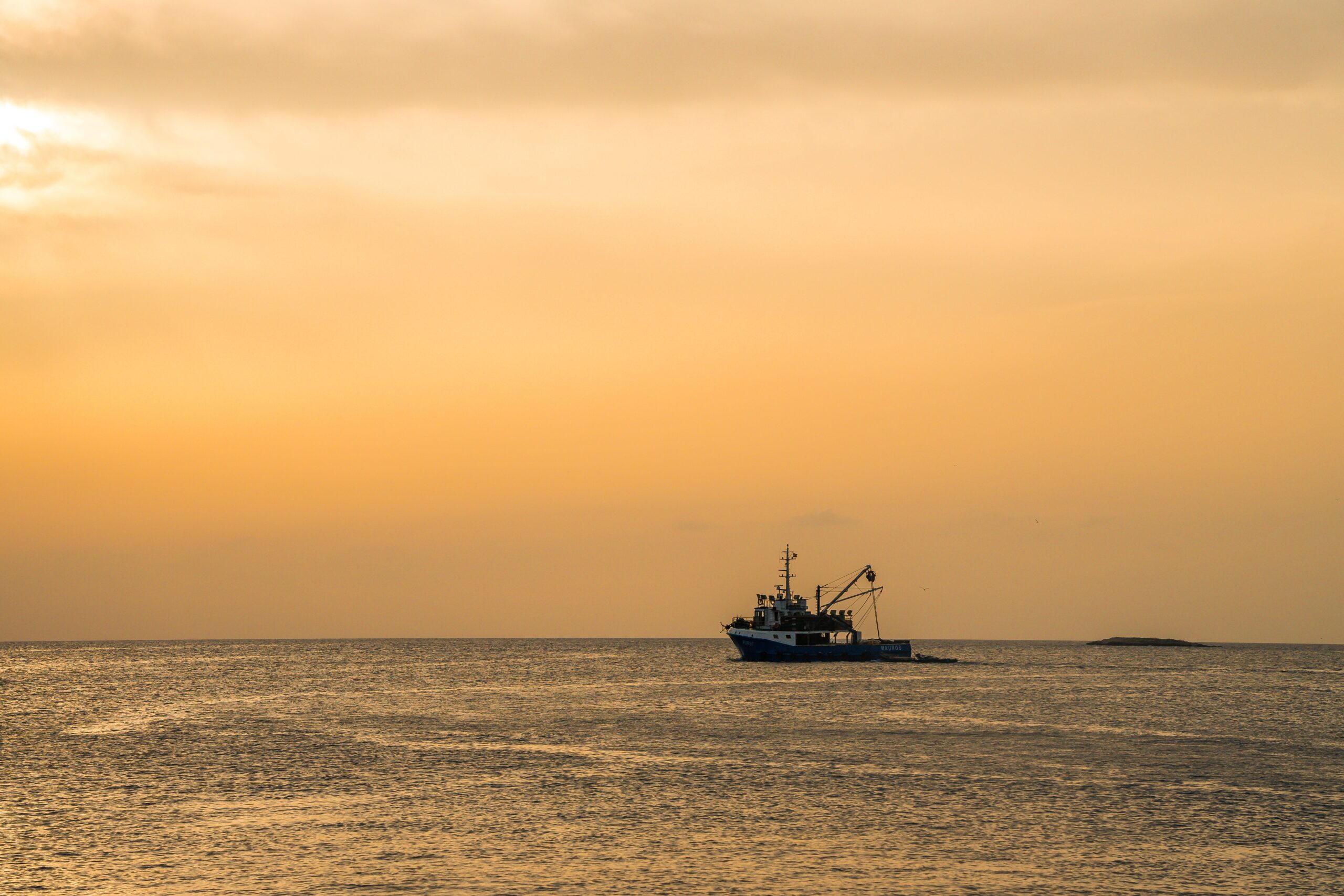
If you’re based anywhere near Warrington, you’ve got some proper shore fishing less than an hour away. The Mersey Estuary, the North Wales beaches, the harbour walls scattered up the Lancashire coast: they all fish differently, and none of them demand a boat or any real experience.
But most people who are just getting into it waste money on the wrong stuff and have no idea which marks to try first. This guide covers where to go, what gear actually matters, and the one kit decision that’ll stop your first session from being a cold, soggy write-off.
Where to Fish and What to Expect
Shore fishing along the North West coast falls into three types of mark, and each one asks for a slightly different setup.
- Beaches like Ainsdale and Formby Point suit long casts over open ground. Flounder, whiting, dabs and the odd bass will show up through the warmer months, though conditions can turn fast when the wind picks up or the tide pushes in. Always check tide tables before you commit to a spot, because getting caught out on a flooding beach isn’t fun for anyone.
- Estuary marks along the Mersey and the Dee fish best on the flood tide, and the murky water tends to bring in flounder and eel. Hale Head is only about 20 minutes from Warrington, so if you only have a free evening and don’t fancy a long drive, it’ll do the job.
- Harbour walls and piers at Rhyl, New Brighton and Fleetwood let you reach deeper water without having to wade out. Lighter tackle works here. Depending on the season, you can pick up mackerel, pollock, whiting and codling from these spots, and they’re more sheltered too, which makes them a good starting point if you’ve never fished from the shore before.
What the Seasons Bring In
Your catch will depend on what time of year you go, and knowing this upfront saves a lot of blank sessions and disappointment.
Spring pulls flounder back into the estuaries, and the first bass start appearing along the beaches. Mackerel dominate summer, particularly off harbour walls on feather rigs or float-fished mackerel strips. Autumn offers the best variety by far, with whiting, codling, dogfish and the occasional smoothhound turning up as water temperatures drop. Winter is harder going, no question about it, but dedicated anglers still pull whiting and dabs off the beaches, and cod will show from deeper marks if you put the hours in.
Licences, Rules and Local Know-How
Here’s something that trips people up early on. You don’t actually need a rod licence for sea fishing in England, and that includes tidal estuaries. People confuse this with freshwater fishing, which does require an Environment Agency rod licence. If you’re fishing the Mersey above the tidal limit, though, you’ll need one, so check where the boundary sits before you head out.
Certain marks also have local bylaws about bait digging, and some beaches carry seasonal restrictions to protect nesting birds during spring and summer. Pop into a local tackle shop or ring the nearest angling club to get the latest on this. Shops in Fleetwood and Rhyl deal with beginners all the time, and they’ll happily point you towards marks that suit the current conditions.
Gear That Actually Matters
Most beginners blow their budget on rods and reels and then ignore everything else. A 12ft beachcaster paired with a fixed-spool reel will handle the majority of shore situations, and a decent combo shouldn’t cost you more than £80 to £120. That’ll last a couple of seasons without any issues.
Comfort is what really determines whether you enjoy yourself or pack it in after an hour. You’ll be standing or sitting in exposed spots for long stretches, often getting hammered by rain, wind and spray. A waterproof jacket on its own won’t keep you warm because the cold creeps up from ground level. That’s exactly why experienced shore anglers wear saltwater fishing bibs as a core layer under the jacket. Bibs protect your legs and torso, block the wind, and stop water running down into your boots when waves splash up or rain drives sideways. Almost every newcomer figures this out the hard way, usually after one grim session in jeans and a cagoule.
On top of that, bring thermal base layers, neoprene gloves, a decent hat and walking boots with proper grip. A headtorch is a must for early morning or evening trips, and a small folding chair will save your back if you’re out for more than a couple of hours.
A First-Trip Packing List
If you want a quick checklist for your first outing, here’s what to take:
- 12ft beachcaster rod and fixed-spool reel loaded with 15lb line
- A basic rig wallet with two or three paternoster rigs and some spare hooks
- Bait (lugworm or ragworm from a local tackle shop, or frozen mackerel strips)
- A bait knife and a pair of long-nose pliers for unhooking
- A bucket for your catch and a rag for cleaning hands
- Waterproof bibs, a waterproof jacket and thermal layers
- Headtorch, folding chair and a flask of something warm
Your First Cast Doesn’t Need to Be Perfect
Nobody catches a monster on their first trip, and that’s completely fine. What matters is that you’re warm, dry and fishing the right spot at the right time of year. Living near Warrington puts a huge range of North West marks within easy reach, from the muddy Mersey flats to Formby’s open beaches and Fleetwood’s harbour walls.
Try a harbour wall on a calm summer evening with a mackerel feathering rig, and you’ll likely bring something home. Catching fish is only part of it, though. Dress properly, pick a sheltered spot, and give yourself a genuine chance of actually enjoying the wait instead of counting down the minutes until you can leave. Once you’ve had that one session where everything clicks, you’ll already be planning the next.