Today on World Mental Health Day, NHS England in the North West is encouraging people experiencing anxiety, depression or stress to seek free and confidential support through NHS Talking Therapies.
According to the Mental Health Foundation, almost 14 million adults (25% of the UK population) experienced poor mental health in the most recent data.
Men remain less likely to access support for their mental health and NHS figures show men accounted for fewer than one in three referrals to NHS Talking Therapies in 2023/24, despite around 15% of men experiencing a common mental health condition.
NHS leaders are, therefore, encouraging people to seek help early rather than waiting until they reach crisis point. Asking for help early can make a real difference.
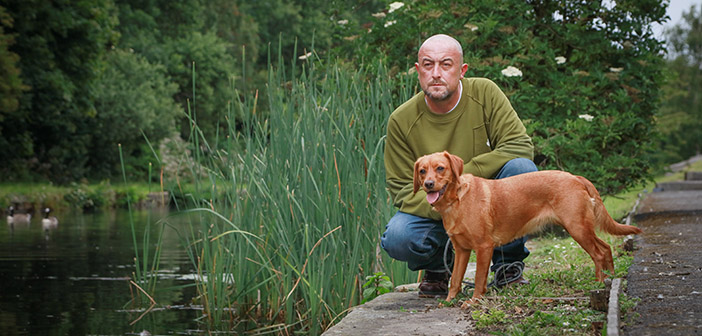
For James Mulholland, who is from Liverpool, support helped him regain control after years of living with obsessive compulsive disorder.
James’ mental health eventually deteriorated to the point where he was drinking too much and felt he did not want to go on living. He was doubtful when he was offered a mindfulness course by Mersey Care NHS Foundation Trust but says it transformed the way he responds to distressing thoughts.
“It taught me not to panic when a distressing thought comes into my head. I didn’t think it would work for me because I struggle to stay still and my mind wanders. But I use it to focus on daily tasks,” he said.
“Mindfulness has brought me back from the brink of suicide. I will always have the intrusive thoughts, but I know now just to let them go,” he said.
Since childhood, Tom from Trafford has lived with a phobia of bees and wasps. The fear began after he was stung on the neck aged eight, something that affected everyday activities.
“The turning point was when my wife and I got back from a holiday and discovered a bees’ nest outside our front door. I couldn’t use my own front door without feeling panicked,” he said.
Tom self-referred to Trafford Talking Therapies, run by Greater Manchester Mental Health NHS Foundation Trust, and began Cognitive Behavioural Therapy. After exploring the causes and triggers of his phobia, he started carefully paced exposure work.
“The idea was that if we could slowly increase my exposure to bees in a safe and controlled way, my brain would learn to feel less anxious around them, allowing me to gain control,” he said.
As part of his treatment, Tom and his therapist, Sophie, visited the Manchester District and Beekeeping Association at Heaton Park, where they observed a hive behind glass. He eventually joined the beekeepers in a bee-keeping suit, something that helped him feel less anxious.
“It’s not about being ‘cured’; it’s about managing situations so they don’t take over my life,” he said. “Having someone there to guide you, challenge you gently and celebrate progress makes all the difference.”
Dr Michael Gregory, Regional Medical Director for NHS England in the North West, said: “The pressures of everyday life can take a real toll on our mental health, so it is important people know support is available and how they can access it. We all have a part to play in recognising the signs that someone may be struggling, talking openly and helping them find the right support.
“Nobody should feel they have to cope alone. If anxiety, low mood or stress is affecting your daily life, NHS Talking Therapies offers free, confidential support, and you can contact your local service directly without first seeing a GP. Seeking help early can make a real difference.”
People can find and self-refer to their local NHS Talking Therapies service for free on the NHS without a referral from a GP. The Every Mind Matters website also offers expert advice and practical tips on sleep, money worries, stress and self-care.