THERE comes a point when we have to stop looking at major developments like the huge rail freight logistics park near Winwick and Croft in isolation and start asking a much bigger question – what happens when you put them all together?
That is the question residents across Croft, Winwick, Culcheth, and neighbouring communities should be asking as plans for the huge Intermodal Logistics Park North move another step closer to reality.
The latest news that Tritax Big Box has acquired around 40 acres of land to help progress its proposals is significant. It doesn’t mean the development has been approved – it still has to go through the Development Consent Order process – but it demonstrates that this is no longer simply a proposal on a planning document. The scale is difficult to comprehend.
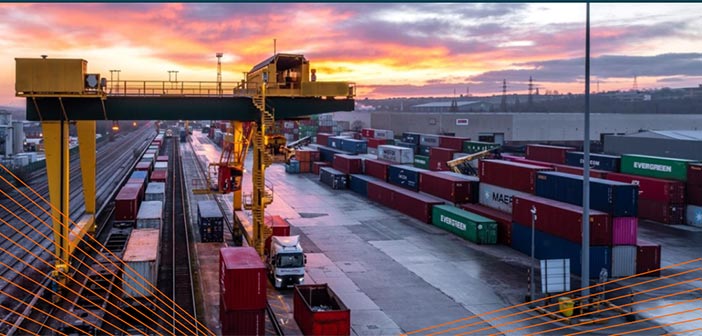
The scheme could eventually provide up to 767,000 square metres – around 8.2 million square feet – of logistics and warehousing space, together with a major rail freight terminal capable of handling up to 16 trains a day.
Tritax understandably highlights the potential economic benefits, including up to 6,000 jobs and significant investment. It also argues that shifting freight from road to rail can help reduce emissions and support the UK’s long-term transport objectives. Those arguments deserve proper consideration. But so do the consequences.
For people living in Croft and Winwick, this isn’t an abstract national infrastructure project. It is potentially an enormous industrial development on their doorstep.
And its impact doesn’t stop at the site boundary.
The transport modelling referred to by local representatives identifies 395 two-way HGV movements during the busiest daytime hour, with significant traffic implications extending towards M6 Junction 22, M62 Junction 9 and the Newton Road/Winwick corridor.
That matters enormously when you consider the amount of housebuilding already planned or taking place across the wider area.
Communities such as Culcheth and Glazebury are already dealing with pressure from housing growth, increased traffic and demands on infrastructure. Croft and Winwick face their own development pressures.
It is perfectly reasonable to ask whether the cumulative impact is being properly assessed.
You cannot simply say: “this housing development is acceptable on its own, this logistics development is acceptable on its own, this road scheme is acceptable on its own” – and then assume the combined effect will somehow be acceptable.
Local communities are not collections of planning applications. They are living, breathing places where people travel to work, take their children to school, walk their dogs, use local roads and expect to enjoy the countryside around them.
Once warehouses, roads, lighting, rail infrastructure and associated development transform open land, it cannot simply be put back the way it was.
This is why the forthcoming further consultation on highways, noise and air quality will be so important. Tritax says this is planned for early 2027.
Residents should engage with it. Parish councils should continue working together. Warrington, Wigan and St Helens need to look beyond their administrative boundaries.
And crucially, the economic benefits should be tested against the full infrastructure and environmental costs.
Nobody should oppose investment simply because it is large. Equally, nobody should support it simply because it promises thousands of jobs.
The real question is much simpler: What price will our communities have to pay for this development – and is that price acceptable?
That is a question that deserves a proper answer before the first lorry arrives, rather than after the landscape and road network have already been transformed.
And let’s not forget our already swamped hospital, GP surgeries and social care services!
I’ve lost count of how many times I’ve said infrastructure BEFORE development!