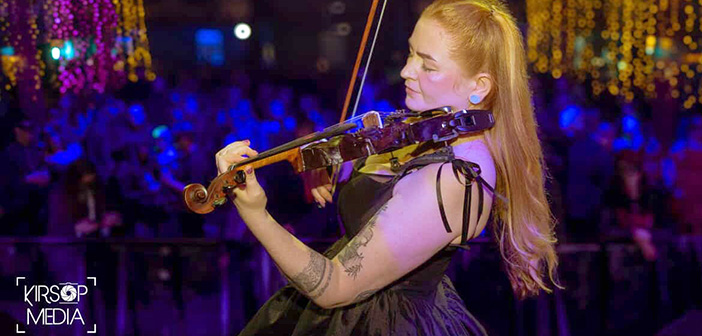
Choosing the right violin bow can dramatically change how your instrument feels and sounds. A well-balanced bow improves control, tone, comfort, and even confidence while playing.
Yet many beginners focus almost entirely on the violin itself, overlooking the importance of the bow. Today’s blog post will help you understand how you can pick the right violin bow to further improve the sound.
Why Your Violin Bow Matters More Than You Think?
Your violin bow plays a major role in how your instrument sounds and feels during performance. Even if two players use the same violin, the bow can noticeably change tone quality, control, and playing comfort.
- A well-balanced violin bow helps create smoother movements and better accuracy during fast or complex passages.
- Bow weight affects how much pressure you naturally apply to the strings, influencing tone and sound projection.
- The flexibility of a bow changes how responsive it feels during different playing techniques.
- Using the right bow can reduce hand fatigue and improve comfort during long practice sessions or performances.
How to Choose the Right Violin Bow for Your Playing Style?
Choosing the right violin bow involves considering the following factors.
- Under the Main Types of Violin Bows
Violin bows are commonly made from either wood or carbon fiber, and each offers a different playing experience. Wooden bows are often valued for their warmer, traditional feel, while carbon fiber bows are known for durability and consistency. The right choice depends on your playing style, environment, and long-term performance needs.
- Consider Bow Weight and Balance Impact Performance
Bow weight and balance directly affect comfort, speed, and control while playing. Lighter bows usually feel quicker an earlier to maneuver, while heavier bows can produce a stronger, fuller tone. A properly balanced bow helps maintain smoother strokes, reduces strain on the hand, and improves consistency during longer practice sessions.
- Match the Violin Bow to Your Skill Level
Beginners often benefit from durable, forgiving bows that provide stable control and easier handling. Intermediate and advanced players may prefer bows with greater responsiveness and tonal flexibility for more demanding techniques. Choosing a bow that matches your experience level can make learning smoother and improve overall playing confidence over time.
- Bow Size Matters
Using the correct violin bow size improves comfort, posture, and playing accuracy. Smaller bows are designed for younger players and smaller violin sizes, while full-size bows suit standard adult violins. A bow that is too large or too small can negatively affect technique, movement control, and overall playing comfort during practice.
- Evaluate Bow Flexibility and Response
The flexibility of a violin bow influences how it reacts to pressure and movement across the strings. Stiffer bows often provide stronger control and stability, while more flexible bows can feel smoother and more expressive. Finding the right response level helps improve articulation, tone consistency and comfort with different playing techniques.
Final Thoughts on Choosing a Violin Bow
Choosing the right violin bow can improve comfort, tone quality, and overall playing control. Since every player has different preferences and techniques, there is no single perfect option for everyone. Testing different bows and understanding key factors like weight, balance, flexibility, and size can help you find one that naturally fits your playing style.