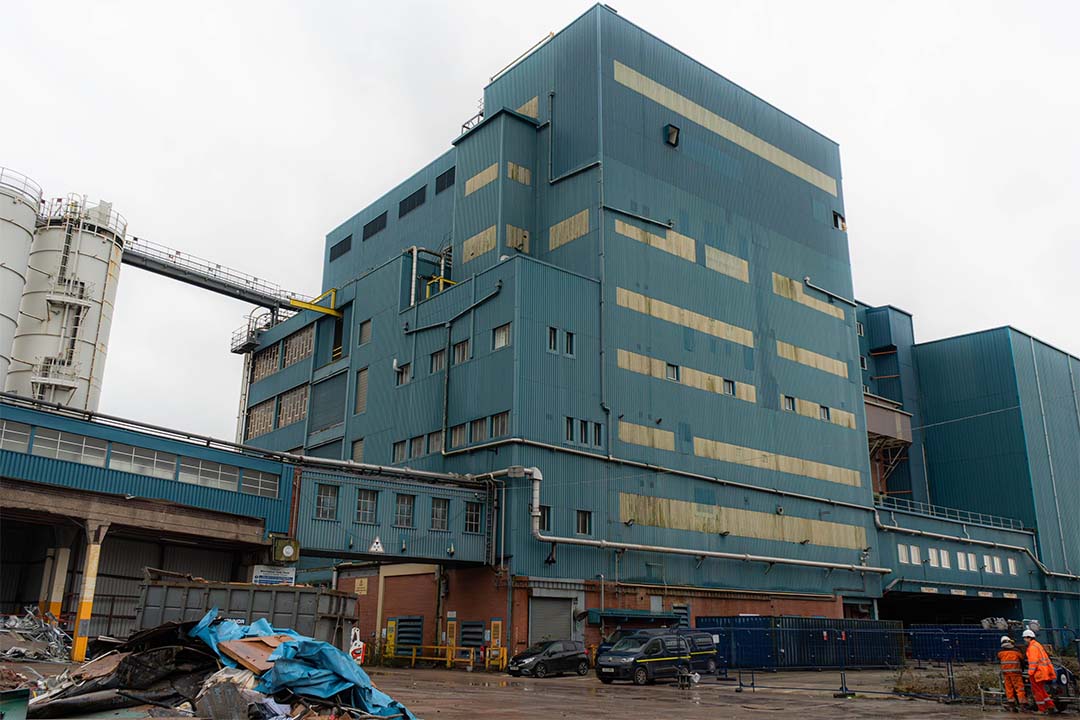
DEVELOPERS behind plans to transform Warrington’s former Unilever factory site into a new artificial intelligence data centre say the project will bring fresh investment, skilled jobs and a new future for one of the town’s historic industrial locations, while addressing concerns raised by local residents.
Platform DC, which is promoting the modular development alongside Warrington Bank Quay railway station, says the proposals represent an opportunity to regenerate previously developed industrial land and support the UK’s growing demand for digital infrastructure.
The company has sought to address misunderstandings surrounding electricity consumption, water usage, emissions, noise and employment, following growing opposition to the scheme, following a recent protest meeting in the town and an online petition, which has attracted more than 4,600 signatures calling for the development to be stopped.
However, Platform says the project has been designed with a number of measures intended to limit its environmental footprint and minimise reliance on existing electricity infrastructure.
The proposed modular facility would have an anticipated operational lifespan of around 15 years and is expected to create between 20 and 30 permanent operational jobs, alongside up to 120 construction and manufacturing roles during delivery.
The developer is currently engaging with and working with local colleges, training providers and employment organisations to encourage local recruitment, apprenticeships and skills development.
Platform argues that the former Unilever site, where manufacturing ceased in 2020, offers an opportunity to bring a long-standing vacant industrial location back into productive use without developing untouched greenfield land.
It says the development would support artificial intelligence computing, high-performance computing, cloud services, research and business data processing – areas increasingly important to the UK’s economy.
Among the key assurances offered by the developer are:
• Electricity: All of the required electricity, with the exception of administration offices, is generated on site and doesn’t rely on the local electrical grid system.. The project’s working capacity figure is 20MW, with final requirements still to be confirmed.
• Water: A closed-loop cooling system would recirculate coolant rather than rely on a continuous supply of fresh water for cooling.
• Emissions: An existing on-site gas supply will support fuel-cell technology to generate electricity through an electrochemical process, with emissions performance to be supported by manufacturer information and air-quality assessments. Natural-gas operation would still produce carbon dioxide.
• Noise: Equipment positioning, acoustic screening and noise assessments would form part of the design to minimise disturbance to surrounding properties and must meet the requirements of the local authority’s Environmental Health Officer.
• Flood risk: The site is identified as being within Flood Zone 1, although surface-water drainage and other potential flood risks will also need to be addressed.
• Employment: Platform expects 20 to 30 permanent operational positions, with up to 120 additional construction and manufacturing roles during the development phase.
Platform CEO Neil Rustage said: “The application has already passed the environmental impact scrutiny and we are very confident that all planning permission criteria is being met with this application.”
The company also promises a community investment programme, local supply-chain opportunities, favourable payment terms for eligible local small businesses and a proposed community carbon-credit initiative, subject to an agreed methodology and independent verification.
The development is expected to have a lifespan of approximately 15 years, with its modular design potentially offering flexibility over the site’s longer-term use.
Platform says the scheme represents an opportunity to combine Warrington’s industrial heritage with the demands of the modern digital economy.
The concerns raised by campaigners include whether the development could place pressure on electricity supplies, how many permanent jobs would genuinely benefit local people and whether emissions and noise could affect neighbouring communities.
The developer’s position is that these issues can be addressed through the design, technical assessments and planning controls, although the final arrangements will need to be examined as part of the council’s consideration of the application.
With more than 4,600 signatures reportedly backing the opposition petition, the strength of local feeling means public engagement will be an important part of the process.
The planning application, reference 2026/01337/FULM, is now being considered by Warrington Borough Council, which will ultimately decide whether the development should proceed.
The debate is likely to centre on whether the promised economic and regeneration benefits can be delivered while providing sufficient safeguards for residents, businesses and the local environment.