By Rod Scotney
WARRINGTON history enthusiast Rod Scotney reflects on the days when Beavers shaped the River Mersey.
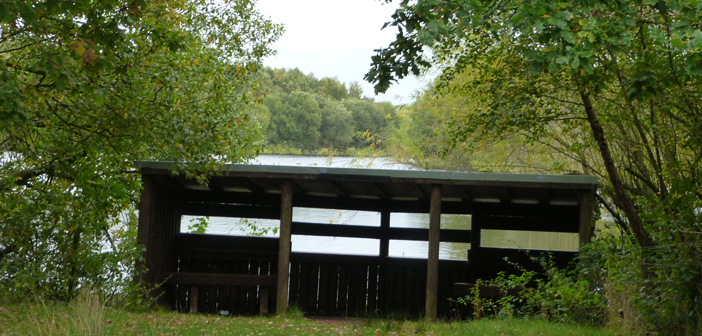
I’ve walked the paths at Moore Nature Reserve on still mornings — the place feels older than it looks. The reedbeds rasp whispers, the water lies quiet in sunken hollows, and the air has that soft, earthy smell that comes from land which has been wet for a very long time. Even with the excitement of my dogs running round, it’s easy to drift away and imagine the landscape remembers things we’ve forgotten — including the time when beavers lived here.
Not just in North Wales or a far off wilderness, but here, in the river systems that shaped Warrington long before our town was a place.
A Valley Before the Town
Before bridges or factories, the Mersey valley was a slow, tangled wetland. The river wandered through marshes and willow thickets, pooling in quiet backwaters and spilling into flood meadows where Walton now sits. The tributaries that fed it — the Weaver, the Gowy, the brooks that still thread through Moore and Daresbury — formed a connected basin of water and woodland.
And in that watery world, beavers were Nature’s quiet engineers.
They built dams in side channels, shaped ponds in the floodplain, and created the kind of messy, life rich wetlands that modern conservationists spend decades trying to recreate. Their presence wasn’t unusual; it was simply part of how the land worked.
For thousands of years, beavers lived throughout Cheshire and South Lancashire, moving freely through the Mersey and Weaver catchments. If you stood on the ground that is now Woolston Eyes, or followed the riverbank at Howley, you would have been standing in a landscape partly made by them.
The Silence After
By the 1500s, the beavers were gone — hunted for their fur, meat and castoreum, a glandular substance once used in early medicines for pain relief. England lost them entirely. The Mersey valley carried on, but it carried on without its architects.
The wetlands shrank. The rivers were straightened. The land became farmland, then industry, then the town we know today. Warrington grew, thrived, and reinvented itself many times over — but the memory of beavers slipped quietly out of the story.
A Return, Four Centuries Later
Then, in 2020, something remarkable happened.
A pair of Eurasian beavers were released into a secure enclosure at Hatchmere, on the edge of Delamere Forest. It was the first time in four hundred years that beavers had lived anywhere in the Mersey–Weaver basin.
Their dam building began almost immediately. Pools formed. Water slowed. Sediment settled. Birds returned. The wetlands breathed again.
And here’s the part that matters: the water that leaves Hatchmere eventually flows into the Weaver, and the Weaver flows into the Mersey.
The work of those beavers — their filtering, their slowing, their quiet engineering — is already part of the same river system that passes into the Mersey estuary.
It’s a small beginning, but it’s a beginning.
The Land Remembers
Stand at Moore, or walk the river at Howley, or watch the herons at Woolston Eyes, and you can feel the shape of the old landscape beneath the modern one. The Mersey valley has always been a place where water decides the rules. It floods, it shifts, it creates and re creates itself.
Beavers once helped it do that.
And perhaps, in time, they will again.
Not as a novelty. Not as a rewilding experiment.
But as a homecoming — a return of a neighbour the land has been waiting for.
A New Generation Watching
But the story doesn’t end there.
Something else is stirring too — a shift you can feel as much as see on walks.
Younger people are beginning to pay attention to places like this again. They walk the paths in organised groups, turn up for work days, and ask the kinds of questions that come from wanting to understand how a landscape stretches in all directions. Their interest isn’t loud or sentimental; it’s steady, curious, rooted in a sense that the future of these wetlands is something they can help shape.
The beavers’ return — even this small, fenced beginning at Hatchmere — has become part of that spark. A reminder that recovery is possible, that a river system can remember how to heal, that something long lost can quietly take its place again.
If the Mersey valley is entering a new chapter, it may be the younger generations who carry it forward — encouraged by the quiet work of nature’s miracle engineers.
Rod Scotney