
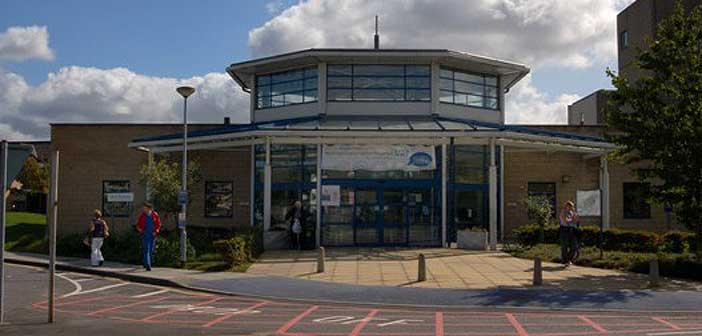
A Freedom of Information request by medical negligence solicitors has revealed that wrong prescription errors nearly doubled in four years at Warrington and Halton Teaching Hospital NHS Foundation Trust.
Specialist Medical Negligence Solicitors at Blackwater Law obtained figures that revealed hundreds of wrong-prescription medication errors have been recorded at Warrington and Halton Teaching Hospital NHS Foundation Trust in recent years, with the totals rising significantly over time.
The data, covering the financial years 2021/22 to 2024/25, shows the number of recorded incidents increased from 163 to 313, representing a rise of approximately 92% across the four-year period. While annual totals fluctuated slightly in the early years, the overall trend shows a clear increase in recorded prescribing errors, with a year-by-year breakdown highlighting an upward trend.
The figures provided by the Trust show:
• 2021/22: 163 incidents
• 2022/23: 145 incidents
• 2023/24: 214 incidents
• 2024/25: 313 incidents
This means the latest recorded year saw the highest number of reported incidents across the dataset.
Most incidents were recorded as “no harm”
The Trust categorised the majority of incidents as resulting in no harm, with totals rising alongside overall reports:
• 135 in 2021/22
• 126 in 2022/23
• 183 in 2023/24
• 266 in 2024/25
Cases classified as low harm ranged from 15 to 35 annually, while moderate harm cases ranged from 2 to 9 each year.
Three incidents recorded in 2024/25 were classified as severe harm, whereas none were recorded in that category in previous years. No fatal incidents were reported in the information supplied.
The Trust notes that harm classifications are based on internal reporting categories and may not directly reflect clinical severity.
High-risk medications involved in reported incidents
The Trust also supplied figures for incidents involving certain high-risk medication categories recorded in its internal reporting system. These included:
• Anticoagulants — 161 incidents
• Anti-infective/antifungal medicines — 113
• Insulin or oral antidiabetic medicines — 102
• Antiepileptic medicines — 39
• Parkinson’s disease medicines — 17
The Trust states these totals excluded reports recorded under “other” or “multiple medicines,” meaning they do not represent all medication error incidents and will not align exactly with overall totals.
Where errors were recorded
The Trust confirmed that these incidents took place across a range of clinical settings, highlighting that the issue is not confined to a single department but spans multiple areas of care, including inpatient wards, Accident & Emergency departments, and outpatient clinics.
Why prescribing errors matter
Medication errors are a recognised risk in healthcare systems worldwide and can occur at various stages, including prescribing, dispensing, and administration. While many incidents do not lead to harm, some can result in complications such as incorrect dosing, delayed treatment, adverse drug reactions, or worsening of existing conditions.
Patient safety guidance emphasises the importance of clear prescribing processes, accurate record-keeping, and effective communication between healthcare professionals to reduce the likelihood of such incidents.
Jason Brady, Partner at Blackwater Law, said: “Medication errors can occur for many reasons, but healthcare providers have a duty to maintain safe prescribing systems. Prescription errors can cause avoidable harm. Medication prescriptions are part of patient treatment. If the treatment falls below the expected standard, this could lead to a medical negligence claim.”
In response to the findings, Dr Paul Fitzsimmons, executive medical director at Warrington and Halton Teaching Hospitals, said: “At Warrington and Halton Teaching Hospitals safe and effective patient care is our top priority. We do everything possible to avoid medication errors and we apologise to any patients and their families who did not receive the standard of care and experience expected.
“On the rare occasion that a medication error does occur, we have robust processes in place to report, record and learn from incidents to prevent future errors.”
Anyone concerned about medical treatment involving a potential prescribing or medication error is encouraged to seek independent advice to understand their rights and whether further investigation may be appropriate.
Blackwater Law offers confidential, no-obligation consultations on a no-win, no-fee basis and specialises in medical negligence claims.




1 Comment
This has been going on for much longer than you know.