
THOUSANDS of patients in the North West are benefitting from faster treatment times after 10 regional hospital trusts – including Warrington and Halton Teaching Hospitals NHS Foundation Trust – saw significant reductions in waiting lists through the Further Faster 20 (FF20) programme.
The programme has seen specialist NHS teams work alongside local staff to transform how planned operations and outpatient appointments are delivered.
North West trusts have been at the forefront of introducing new approaches to care. This includes include High Flow Theatre Lists where experts perform surgery with theatres operating continuously, allowing surgeons to complete planned operations quicker.
Simplifying outpatient processes has also played a major role. Trusts cut unnecessary appointments by sending patients “straight to test” rather than multiple clinic visits.
Warrington and Halton Teaching Hospitals NHS Foundation Trust was singled out as an example of good practice because of a new £11 million diagnostic centre at Halton Hospital, providing MRI and CT services for more than 30,000 patients a year.
The purpose-built facility is the final part of a three-phase multi-million Community Diagnostics Centre (CDC) programme. Since the programme began, the Trust has delivered over 90,000 additional diagnostic tests, supporting faster diagnosis and treatment.
The health service will now take learnings from the programme and use these to spread best practice across the NHS.
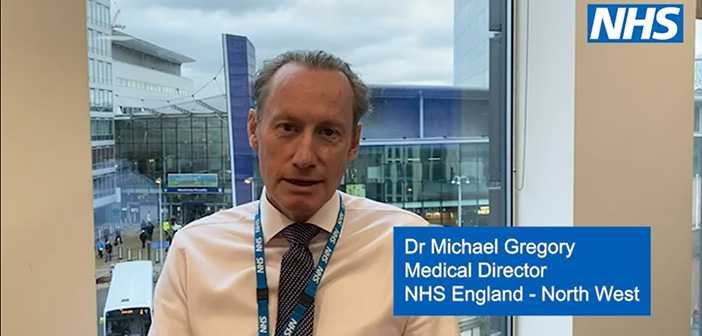
Dr Michael Gregory, regional medical director for NHS England in the North West, said, “With thanks to our NHS staff and hospital trusts in the North West, there are thousands of patients across the region who are now able to benefit from faster treatment. The Further Faster 20 programme has been used at 10 of our trusts which means patients are being seen quicker.
“Along with investments and new ways of working, we’re hoping to improve the NHS. Long waits can be very difficult for patients, and the NHS across the region is focused on improving access to planned care while ensuring services are safe, effective and patient-centred.”
The findings of the FF20 report comes as the government marks one year since the launch of the Elective Reform Plan in January 2025, a national plan which sets out how the government will return the health service its target of ensuring 92% of patients wait no longer than 18 weeks for from referral to treatment by the end of the parliament.
Since July 2024, the national waiting list is down by more than 225,000 despite 28.4 million referrals, making a huge difference to people’s lives up and down the country.
November also saw the second biggest drop in the waiting list for 15 years outside of the early days of the pandemic, as new data today shows staff faced record demand in 2025. The waiting list fell by more than 86,000 in November to 7.31 million.
The progress came despite the NHS’s busiest ever year, with 27.8 million A&E attendances in 2025 – over 367,000 up on 2024, with 2.33 million attendances in December alone.
The improvements relate to non-emergency treatment such as hip and knee replacements, cataract surgery and other planned operations known as elective care. This is the type of care many patients may be waiting months and sometimes years to receive.





1 Comment
Been quoted 3 years for a replacement knee operation