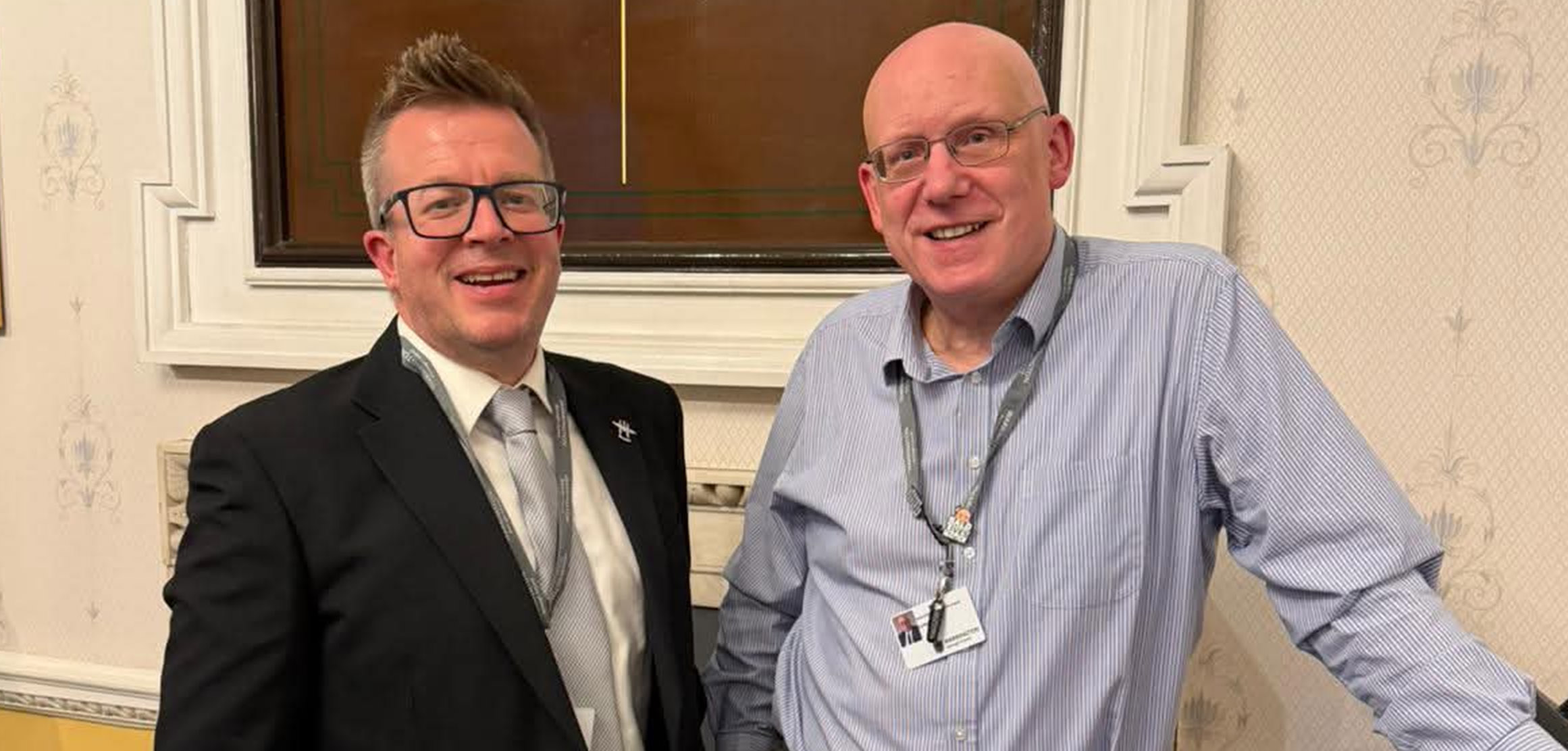
TWO Independent councillors have raised concerns after a motion aimed at strengthening oversight of housing and infrastructure was blocked with an amendment at Warrington Borough Council.
Cllr Stuart Mann (Burtonwood & Winwick) and Cllr Graham Gowland (Lymm South) say their original motion was designed to bring greater transparency, clearer reporting and stronger scrutiny to planning decisions—particularly to ensure infrastructure like roads, schools and healthcare keeps pace with new housing.
However, they say those aims were significantly diluted by an amendment from the council’s Labour administration, which shifted the focus away from strengthening oversight and towards recognising existing processes. The original motion was brought forward at a time of increasing uncertainty around housing land supply and growing development pressure across the borough.
According to the councillors, it was intended to ensure that both elected members and residents can clearly understand whether infrastructure commitments linked to new housing are actually being delivered.
Cllr Mann said: “The original motion was about making sure we can properly see what’s happening on the ground. Residents are already asking whether infrastructure is keeping pace with housing—and that’s a fair question. This was about improving transparency and accountability so we can answer that clearly.”
While both councillors agreed with parts of the amended motion—including its support for evidence-led planning and community engagement—they said it changed the overall emphasis in an important way.
“There’s a lot in the amended motion that we support,” said Cllr Gowland. “But the key difference is this—having processes is not the same as knowing they are working. The amendment leans heavily on existing systems, but doesn’t go far enough in strengthening how we check whether those systems are delivering for residents.”
They said this issue directly links to the Council’s recent Best Value Inspection, which highlighted the need for stronger governance, more effective scrutiny and clearer oversight. “The Best Value findings didn’t say we don’t have processes,” said Cllr Mann. “They said we need stronger challenge and better oversight to make sure those processes are actually achieving the right outcomes. Our concern is that those lessons haven’t been fully reflected.”
The councillors also pointed to the growing scale of development pressure in Warrington. In areas such as North Warrington, thousands of homes have already been built, approved or are under construction. At the same time, further large-scale proposals are now emerging beyond what was set out in the adopted Local Plan. “Developers are already using housing land supply pressures and national policy changes to bring forward additional sites,” said Cllr Mann. “This isn’t theoretical—the pressure is already here, which is exactly why oversight should be strengthened, not reduced.”
They also raised specific concerns about the increasing use of the term “Grey Belt” in planning proposals. The concept did not exist when Warrington’s Local Plan was adopted in 2023, and there is currently no formally assessed or locally defined Grey Belt land in the borough. “We’re now seeing proposals involving thousands of homes on land being described as ‘Grey Belt’, despite there being no clear local definition or evidence base,” said Cllr Gowland. “That makes it even more important that decisions are based on robust, independent evidence led by the Council—not assumptions.”
Both councillors said they had attempted to take a constructive approach ahead of the meeting by proposing a small number of practical changes to the amendment. These included clearer expectations around reporting, greater visibility through scrutiny and stronger safeguards around the use of evidence. However, they said there was limited opportunity for meaningful dialogue before the amendment was finalised shortly before the meeting.
“We put forward reasonable suggestions that would have strengthened the motion without changing its direction,” said Cllr Mann. “It’s disappointing that we weren’t able to properly work through those, especially given the emphasis on improving engagement and working more collaboratively.”
Despite voting against the amendment, both councillors acknowledged that the final motion still contains positive elements. “There are parts of the motion we support, particularly the recognition of infrastructure pressures and the need for evidence-led decisions,” said Cllr Gowland. “But we believe it could—and should—have gone further to make sure those commitments are properly monitored and delivered in practice.”
Looking ahead, both councillors say they will continue to push for stronger oversight of planning decisions and infrastructure delivery across the borough.
“This is about public confidence,” said Cllr Mann. “People need to know that development is being done properly and that infrastructure is keeping pace. That requires clear information, proper scrutiny and real accountability—not just processes on paper.”