WARRINGTON is making meaningful progress towards tackling the global climate emergency – but needs to move faster.
While greenhouse pollution in the borough continues to fall, it is still not declining at the pace required to meet national and international commitments.
A more co-ordinated approach to climate adaptation is also needed.
These are the main points in the third annual report of Warrington Comate Emergency Commission
The commission was originally set up by the borough council, after it declared a climate emergency in 2019, in recognition that the climate crisis is a “more-than-council” issue. It is made up of a number of organisations in Warrington, with the role of independently leading the wider conversation on what the climate challenge means locally and encourage action in response. The commission aims to highlight the benefits that action can bring for residents, businesses and community groups.
The report reflects on developments over the past 12 months, set against a year of record-breaking global temperatures, increasingly frequent extreme weather events, continued depletion of nature and rising concerns over food and energy security.
Over the last year, global emissions once again reached new highs, with average temperatures exceeding the critical threshold for a full year for the first time. Extreme weather, such as heatwaves, wildfires, droughts and severe storms, also intensified worldwide. Across the UK, extreme heat and prolonged dry spells led to the worst crop yields in years, with lost revenues estimated at £828 million.
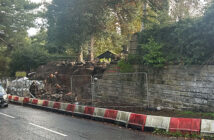
Warrington has not been immune to these impacts. January 2025 saw extensive flooding around Sankey Brook, causing major disruption and damage to local households. This highlights the need to strengthen the town’s resilience, including new flood defences.
Meaningful strides in reducing emissions and improving sustainability included:
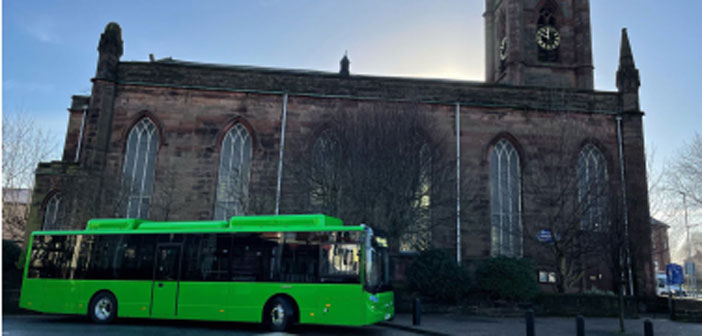
• Completion of the transition to an all-electric fleet for Warrington’s Own Buses, with major national awards and significant increases in passenger satisfaction.
• 104 new EV charging points installed, with 650 more planned over the next three years
• Expansion of local renewable energy, including two new solar farm projects and continued success of the Solar Together group buying scheme
• Energy efficiency upgrades across public and commercial buildings, including major investment at Birchwood Park and low-carbon heating upgrades at Orford Jubilee Hub
• Nature recovery initiatives, including the launch of the Risley, Holcroft and Chat Moss National Nature Reserve and strengthened work through the Local Nature Recovery Strategy
• A major boost in climate literacy, with the council achieving Silver Carbon Literate Organisation accreditation after training more than 700 staff
• Continued effort to reduce items going to landfill, with Birchwood, Lymm and Fairfield Repair Cafes operating to repairing more and more items
However, the report emphasises that while greenhouse pollution in Warrington continues to fall, it is still not declining at the pace required to meet national and international commitments. A more co-ordinated approach to climate adaptation is also needed.
Cllr Tony Higgins, the borough council’s cabinet member for climate change, sustainability and the environment, said: “This report shows real progress here in Warrington that we should all be proud of. From cleaner buses to growing our renewable energy capacity, from improving energy efficiency to restoring our natural habitats, we are continually making changes to reduce our emissions where possible.
“But it is also a clear reminder that the climate crisis is not a distant threat. We are living with the impacts now: from the devastating floods we saw around Sankey Brook to the rising cost of everyday essentials linked to climate pressures around the world.”
Chair of the Commission, Dr David Ellis, said: “The message is clear: we can already see the difference our actions are making here in Warrington, and we want to build on that momentum. We all have a role to play. By taking practical steps locally – from improving home energy efficiency and choosing cleaner transport to protecting nature and sharing good practice – we can create a cleaner, safer and more resilient borough for generations to come.”
For more information on Warrington’s climate emergency work, visit warrington.gov.uk/climate-emergency-commission