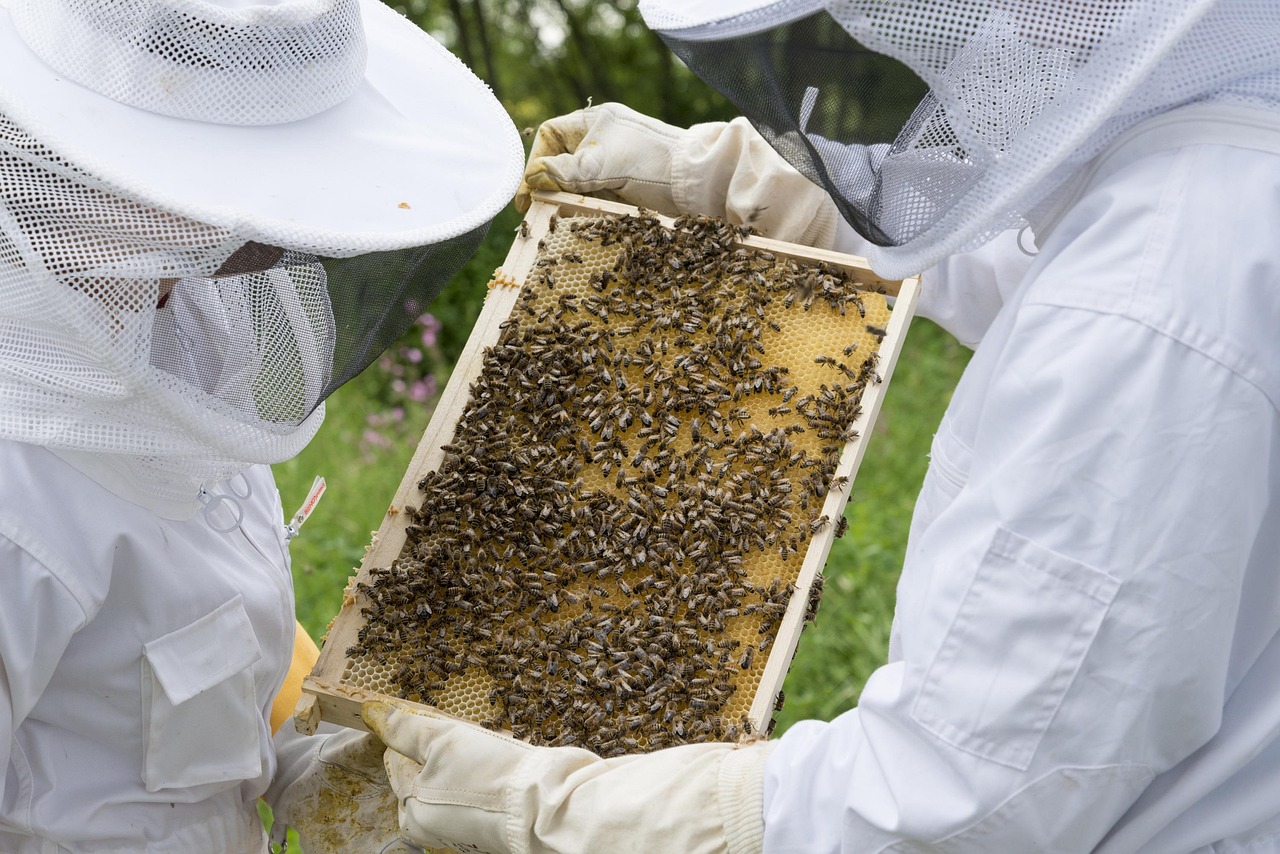
Beekeeping has evolved significantly over the years, and so has the protective gear designed to keep beekeepers safe. While smokers, hive tools, and frames are essential, nothing directly impacts your comfort and safety like the suit you wear.
Modern beesuits, especially ventilated beekeeping suits with mesh layers, have transformed how beekeepers work in the apiary. These advanced designs provide superior protection while allowing airflow, helping beekeepers stay cool, calm, and focused during hive inspections.
Understanding how mesh layers work and how they protect you is key to choosing the right beekeeping protective clothing. In this guide, we’ll explore the structure, function, and benefits of mesh-layer beesuits and why they have become the gold standard for beekeepers worldwide.
Why Mesh Layers Matter in Modern Beesuits
Traditional beesuits were often made from thick cotton or canvas fabrics. While effective at blocking stings, these older designs trapped heat, making beekeeping uncomfortable—especially in warm climates or during long inspections. Overheating can lead to fatigue, impatience, and mistakes, all of which increase the likelihood of stings.
Ventilated beekeeping suits solve this problem by incorporating mesh layers that allow air to circulate freely while maintaining sting resistance. Today’s breathable beesuits balance protection and comfort, making them ideal for both beginner and professional beekeepers.
What Are Mesh Layers in Ventilated Beekeeping Suits?
Mesh layers are specialized fabric layers woven or structured to create airflow channels within the beesuit. Unlike solid fabric, mesh allows heat to escape and cool air to circulate around your body. Most modern mesh-layer beesuits use two or three layers of mesh separated by space.
This spacing is critical. It creates a physical barrier that prevents a bee’s stinger from reaching your skin while still allowing ventilation. The result is a lightweight beesuit that feels cooler without sacrificing safety.
How Mesh Layers Protect Against Bee Stings
One of the most common questions beekeepers ask is how breathable beesuits can still be sting-resistant. The answer lies in the design of triple-layer mesh beesuits.
Instead of relying on thick fabric alone, these beesuits use:
- An outer mesh layer
- A middle spacer layer
- An inner mesh or lining layer
When a bee attempts to sting, the stinger cannot pass through all layers and reach the skin because the mesh spacing keeps it at a safe distance. This makes ventilated beekeeping suits just as effective—if not more effective—than traditional cotton suits.
Sting-resistant beesuits with proper mesh construction offer reliable protection without the bulk and heat of older designs.
The Role of Ventilation in Beekeeping Safety
Ventilation is not just about comfort—it’s a major safety factor. Overheating can cause dehydration, dizziness, and reduced focus. When beekeepers are uncomfortable, they tend to rush inspections or handle bees roughly, increasing colony agitation.
Proper bee suit ventilation helps regulate body temperature, allowing beekeepers to:
- Stay calm and patient
- Perform longer inspections safely
- Reduce stress on both themselves and their bees
This is why beekeeping suits for hot weather are now considered essential rather than optional.
Types of Mesh Used in Modern Beesuits
Not all mesh is created equal. High-quality beesuits use durable, breathable materials designed to withstand frequent use in the apiary. Common mesh types include:
Synthetic Polyester Mesh
Lightweight and durable, polyester mesh resists tearing and holds its shape well. It’s commonly used in professional beekeeping suits.
Rigid Spacer Mesh
This type of mesh maintains consistent spacing between layers, improving sting resistance. It’s often found in premium triple-layer mesh beesuits.
Flexible Ventilation Mesh
More pliable mesh offers excellent airflow and comfort, making it ideal for hobbyists and beginners who value ease of movement.
Choosing the right mesh type depends on your climate, experience level, and how often you work your hives.
Comparing Mesh-Layer Beesuits to Traditional Beesuits
When comparing traditional cotton beesuits to modern ventilated beesuits, the differences are clear.
Traditional Beesuits:
- Heavy and hot
- Limited airflow
- Can become uncomfortable during long inspections
Mesh-Layer Beesuits:
- Lightweight and breathable
- Superior airflow
- Designed for all-day comfort and protection
In terms of beekeeping gear protection, ventilated beesuits offer a clear advantage, especially in warm or humid environments.
Who Should Choose Mesh-Layer Beesuits?
Mesh-layer beesuits are suitable for almost every type of beekeeper, but they are especially beneficial for:
- Beginners: Reduced fear of stings and increased comfort build confidence.
- Professional Beekeepers: Long hours in the apiary demand breathable, reliable protection.
- Hot-Climate Beekeepers: Ventilated beekeeping suits are ideal for high temperatures.
- Aging or Heat-Sensitive Beekeepers: Staying cool reduces physical strain.
Whether you manage one hive or dozens, breathable beesuits improve safety and enjoyment.
How to Choose a High-Quality Ventilated Beesuit
When shopping for mesh-layer beesuits, focus on more than just ventilation. A well-designed beekeeping safety suit should include:
- Strong stitching and reinforced seams
- High-quality zippers with protective flaps
- Securely attached veils with good visibility
- Elastic cuffs at wrists and ankles
- Proper fit to prevent fabric sagging
A poorly fitted beesuit can compromise protection, even if it has excellent mesh layers. Always prioritize fit, durability, and construction quality.
Caring for Mesh-Layer Beesuits to Maintain Protection
Proper care extends the life of your beekeeping protective clothing. To maintain airflow and sting resistance:
- Wash beesuits gently using mild detergent
- Avoid harsh chemicals that weaken mesh fibers
- Air dry whenever possible to preserve structure
- Store suits in a dry, cool place away from sunlight
Regularly inspect your beesuit for worn mesh, broken zippers, or loose seams. Replacing damaged gear is essential for continued safety.
Why Mesh Layers Are the Future of Beesuits
As beekeeping continues to grow worldwide, the demand for safer, more comfortable protective wear increases. Mesh-layer beesuits represent a major step forward in beekeeping safety technology. They combine sting resistance, ventilation, and lightweight design in a way traditional suits cannot match.
For modern beekeepers, investing in high-quality ventilated beekeeping suits is not just about comfort—it’s about working more effectively, protecting colonies, and enjoying time in the apiary.
Conclusion:
Understanding mesh layers in ventilated beekeeping suits helps beekeepers make informed decisions about their protective gear and overall beekeeping gears selection. By combining breathable design with sting-resistant construction, modern beesuits allow beekeepers to stay cool, safe, and focused while working their hives.
Whether you are a beginner learning your first inspections or a professional managing multiple hives, mesh-layer beesuits are an essential part of reliable beekeeping gears, providing the protection and comfort needed for successful beekeeping. In today’s apiary, ventilation isn’t a luxury—it’s a necessity.