Local first aid training builds safer communities by preparing everyday people to respond during emergencies. Across the UK, thousands of workplace accidents and public medical crises happen every single year.
Someone acting quickly in these moments can stop a minor injury from becoming a life-changing tragedy. Communities with more trained first aiders see better outcomes consistently.
Ambulance response times have gotten longer over the past decade. Bystanders now find themselves as the first responders in many situations. Your neighbor knowing CPR or your coworker handling severe bleeding properly makes everyone safer. Workplace first aid training gives employees skills that go home with them. Workers use what they learn at family gatherings, youth sports games, and during shopping trips.
Why Businesses Need Trained First Aiders
UK law requires most businesses to provide adequate first aid coverage for their staff. The Health and Safety Executive lays out guidelines that change based on what your business does. Your company size matters, but the daily risks your employees face matter even more.
Meeting Your Legal Obligations
Construction sites deal with falls and machinery accidents almost daily. Office environments see heart attacks, strokes, and sudden allergic reactions more than you’d think. Schools handle playground injuries, asthma attacks, and kids having seizures. Each workplace creates its own problems that need people ready to handle them. Training your staff properly keeps employees safer and keeps you compliant with regulations.
Someone trained in first aid can keep an injured person stable until paramedics show up. They know exactly when to use a defibrillator and how to get someone breathing again. Quick action in these situations often prevents a scary moment from destroying a family forever.
Why It’s Good for Business Too
Proper safety training does more than just keep you legal. Companies with good safety programs lose less time to workplace injuries. Your insurance company notices when you take safety seriously and often rewards you with lower rates. Employees work harder and stick around longer when they see you genuinely care about them. That kind of investment pays off in ways that go beyond just preventing accidents.
How First Aid Skills Save Lives Outside Work
People don’t stop knowing first aid when they clock out for the day. Someone with training can jump in at restaurants, bus stops, parks, or anywhere else. Learning CPR can double or triple someone’s survival chances after cardiac arrest. What happens in those first few minutes often determines whether someone lives or dies.
Training prepares people for all kinds of common emergencies:
- Choking incidents need back blows and abdominal thrusts delivered quickly to clear airways
- Bad cuts require firm pressure and proper covering to stop someone from losing too much blood
- Allergic reactions can go from mild to deadly fast and might need an EpiPen immediately
- Kitchen burns need running cool water right away to stop the damage from spreading deeper
- Seizures mean protecting someone’s head and body until they come back around safely
The British Red Cross found that 59% of injury deaths could be prevented with proper first aid. We’re talking about thousands of UK residents who could survive each year. More people with training in your area means everyone has better odds when accidents happen.
Parents who take pediatric courses handle emergencies with their kids much better. They can tell when a sick child needs the emergency room versus home care. Baby CPR is completely different from adult CPR because infants are so much smaller. This knowledge keeps parents calm when their child gets hurt or sick unexpectedly.
What UK Workplaces Must Provide
The Health and Safety Executive tells employers they need to figure out their specific first aid requirements. Several things factor into what you need. How many employees do you have? What kinds of hazards exist in your workplace? Do you run night shifts or weekend operations? A small accounting office needs way less than a factory with multiple production lines.
Training Levels for Different Risks
Low-risk businesses need one appointed person plus a fully stocked first aid kit. This person runs things when emergencies happen and calls for professional help. They don’t need fancy certificates but should know basic emergency procedures.
High-risk workplaces need employees with real HSE-approved certifications. Different courses cover different workplace situations:
- Emergency First Aid at Work teaches life-saving skills in just one day
- First Aid at Work gives thorough three-day training for complicated workplace environments
- Paediatric First Aid covers what schools, nurseries, and childcare centers legally need
- Specialist courses teach specific things like operating defibrillators or handling anaphylactic shock
Keeping Your Skills Fresh
Every certificate expires after three years and workers need refresher training. Doctors and researchers keep finding better ways to treat injuries and medical emergencies. Treatment approaches from even a few years back might be outdated now. Regular refresher courses keep everyone’s knowledge current with what actually works best.
You also need to stock and maintain proper equipment throughout your workplace. First aid kits need regular checks to replace expired supplies or restock used items. Defibrillators need testing and clean treatment areas need to stay sanitary.
Building Stronger Communities Through Training
Communities work better when neighbors look out for each other. More trained residents means help is probably nearby when something bad happens. Youth sports teams, religious groups, schools, and community organizations all benefit from trained members.
How Skills Spread Naturally
First aid knowledge spreads through communities in really natural ways. Someone finishes a course and brings it up at a family dinner. They show interested relatives how to do chest compressions or stop bleeding. Parents with pediatric training chat with other parents and share what they learned. These everyday conversations make whole neighbourhoods more prepared without anyone organising formal programs.
Lots of local councils offer first aid courses through community centers. Some even help cover costs for families who can’t afford the full price. This matters most in areas where ambulances take longer to arrive. Small villages and underserved parts of cities need more trained people around.
Getting Value from Public Safety Tools
You see defibrillators mounted in shopping malls, train stations, and town centers all over the UK now. They’re completely useless though if nobody knows how to work them. Someone needs to recognise cardiac arrest quickly and get those pads on correctly. Including defibrillator training in courses makes these expensive public devices actually save lives.
Youth groups like Scouts and Guides build first aid into what they already teach kids. Learning young builds confidence that sticks with people as they grow up. They’re way less likely to panic when emergencies happen around them. Trained teens often push their parents to take courses too.
Choosing the Right Training Provider
Training quality matters way more than just checking a compliance box. Find providers with proper Ofsted or HSE approval for whatever you need. These stamps prove the training actually meets current legal standards. Check credentials carefully before you book anything. Cheaper courses sometimes don’t satisfy what regulators or insurance companies require.
Different delivery formats work for different situations. Public courses let people sign up individually for scheduled sessions. On-site training brings instructors to your workplace for group sessions. Most companies prefer on-site because nobody wastes time commuting. Your whole team learns together using your actual workplace setup.
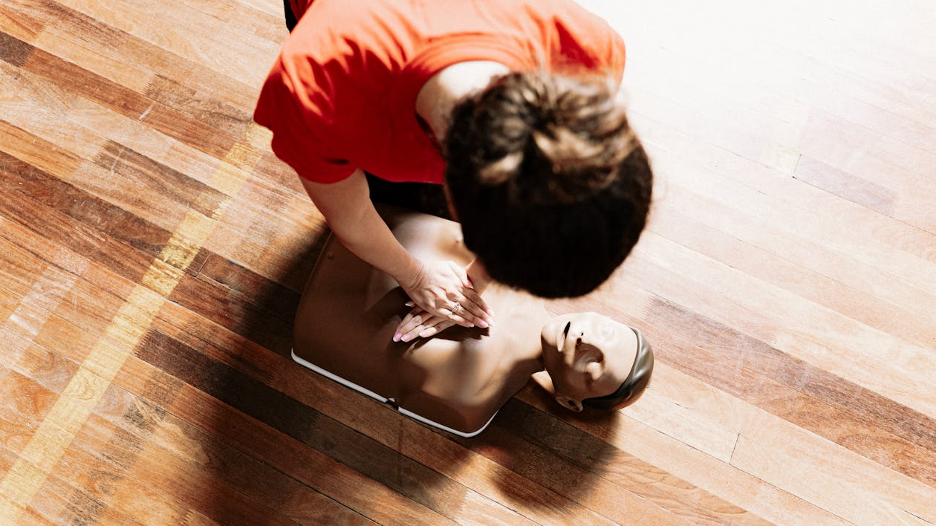
Good courses mix lectures with lots of hands-on work. People need practice time with CPR dummies, bandages, and mock emergency situations. Working through scenarios under pressure builds genuine confidence for real emergencies. Better instructors keep everyone involved instead of just talking at people for hours.
Local training providers know your area’s specific problems and needs. They give you practical suggestions about which courses fit your workplace best. Most providers work around your business schedule so operations don’t get disrupted. Many can set up courses quickly when something urgent comes up.
Investing in training protects your community and satisfies legal requirements at the same time. Skills people pick up save lives during those few critical minutes before ambulances get there. Each newly trained person adds another layer to the safety net everyone depends on.