
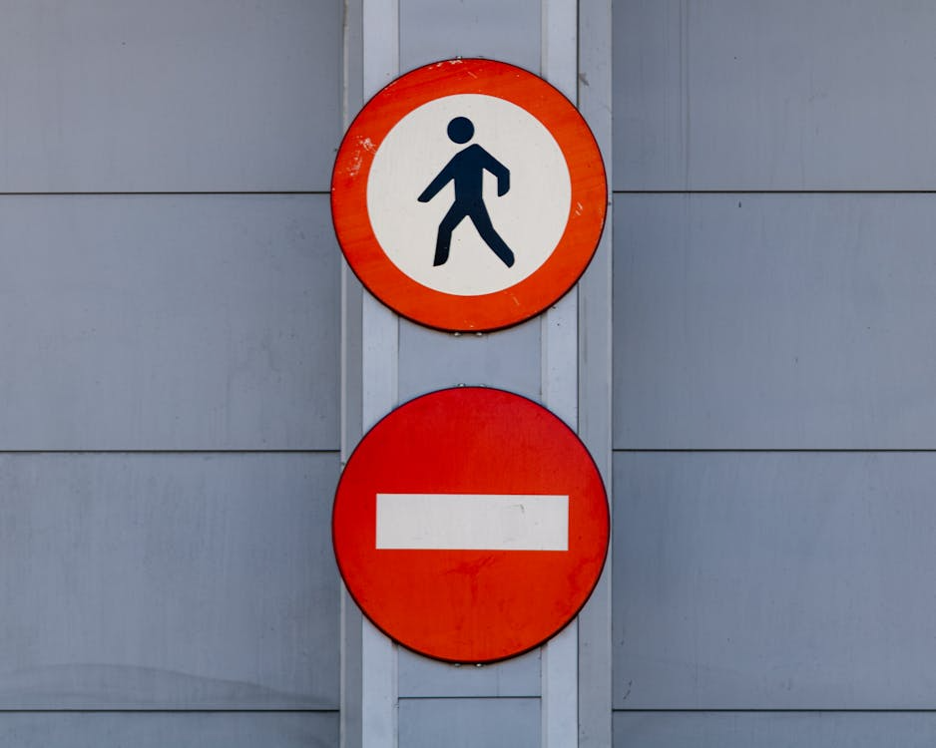
A busy junction near a school. A forklift crossing in a warehouse on Winwick Road. A fire exit in a café in the town centre. In each case, a simple sign can make the next move obvious, and stop accidents before they happen.
Many local teams buy and maintain their signs with help from The Safety Sign Depot. The right sign, in the right place, gives staff, visitors, and residents an instant cue. It also helps businesses meet legal duties and avoid confusion when pressure is high.
What the rules expect
UK workplaces must give clear safety information. Signs help warn about hazards, show safe routes, and guide people to equipment like fire extinguishers. Government guidance explains that signs support, not replace, other controls such as training and barriers.
Where a risk remains, a sign should be present and easy to see. Authoritative guidance from the Health and Safety Executive sets out how to use safety signs and the meaning of common colours and shapes.
Standard symbols also matter. The European and international standard ISO 7010 defines the familiar shapes and pictograms that appear across UK sites.
Using standard symbols means a visitor from outside the area will recognise the message without reading a long line of text. It also supports quick action during stress.
Where signs matter most in Warrington
Roadworks and utility projects are routine across the borough. Clear temporary signs protect crews and guide drivers and cyclists through changed layouts.
Good placement reduces last second lane changes, helps buses keep time, and lowers the chance of a minor bump turning into a traffic snarl.
Schools and sports venues bring large groups together. On match days at Halliwell Jones Stadium, simple wayfinding and crowd safety signs help people find gates, first aid points, and accessible routes.
In parks and play areas, tidy, well sited notices set expectations on dog control, cycling, or water safety. Short, polite words with standard icons work best for mixed audiences.
Industrial estates in Woolston, Gemini, and Birchwood rely on signs to separate vehicles and people. Forklift routes, speed limits, and pedestrian walkways need repeat reminders at each decision point.
Loading bays benefit from bold “no unauthorised access” messages and clear “chock wheels” instructions where relevant. In busy yards, a sign at eye level beats a long induction talk that people forget by Friday.
Shops, cafés, salons, and offices need everyday messages too. Wet floor slips are common and costly. A visible free standing warning near the spill can prevent a fall and the paperwork that follows.
Fire exit and assembly point signs should be well lit and unobstructed. Lifts, stairs, and accessible toilets must be obvious to anyone who steps in for the first time.
Construction sites are high risk zones. Mandatory hard hat and high visibility clothing signs at entry points reduce debate at the gate. Hazard boards listing on site risks, emergency contacts, and first aid locations save time when seconds matter.
Regular checks keep temporary fencing signs facing the right way after strong winds.
Placement and visibility basics
- Put signs where a person makes a decision, not ten metres after. A “forklift crossing” sign belongs before the threshold, with a repeat on the far side. Fire exit signs should lead people from any room to the final door, with consistent arrows and no dead ends.
- Height and angle count. Aim for eye level on flat walls. In wide spaces, hang signs from ceilings or put them on freestanding posts so they are not hidden by racking or parked vehicles. In corridors, angle the sign towards the flow so people see it a few steps sooner.
- Use the right size. Bigger is safer in long or open areas. If the viewing distance is long, scale up the symbol and text. Avoid clutter. One clear instruction beats three small ones that no one reads. Where you need several messages, stack them in a logical order, such as hazard first, then required action, then contact or reference.
- Think about light and contrast. Non reflective materials can vanish in dim corners. Photoluminescent exit signs help during a power cut. On sunny sites, matte finishes reduce glare.
- Check that the sign colour contrasts with the background. A green assembly point sign on a hedge can blend in, so a white backboard may help.
Common mistakes and quick fixes
- Outdated signs create mixed messages. Remove old notices when rules change or work ends. A “no entry” panel left from last week’s maintenance can keep customers from a safe area and cause lost sales or crowding at another door.
- Blocked views are a silent problem. Posters, seasonal decorations, or stacked stock often hide vital messages. Add a weekly check to keep exit signs and call points clear. In car parks, keep shrubs trimmed so speed and direction signs stay visible from a driver’s seat.
- Inconsistent wording confuses people. Use the standard colours and shapes, and keep language short. Avoid inside terms that new staff or visitors would not know. If text is needed, keep it to one action per sign, such as “Wear eye protection” rather than a long list of rules.
- Temporary signs drift. Wind, rain, and passing feet can rotate A frames and move cones. Weight bases, add sandbags where safe, and inspect at set times through the day.
For repeating works, invest in durable frames that hold printed inserts to keep messages fresh without buying a full new unit each time.
Make signs easy for everyone
Use standard pictograms so people who speak different languages can recognise the message. Keep text simple and large enough to read from the approach distance. Where you expect people with visual impairments, consider tactile and Braille on permanent doors and lift controls.
Ensure routes to refuge areas and accessible toilets are signed from the entrance, not only near the destination.
Consistency builds trust. Match colours and symbols across the site. Use the same arrow type on all direction signs. Keep phone numbers and contact details up to date. A tidy sign tells people that the message is current and worth acting on.
Work with your staff. Ask cleaners where slips occur. Ask drivers where sight lines are poor. Ask reception about the questions visitors ask most. Small placement tweaks guided by front line experience often lower risk at almost no cost.
Keep signs current
Build a basic sign register. List locations, sign types, and dates. Add photo snapshots so anyone can see how each point should look. Review after layout changes, new equipment, or incidents.
When a near miss occurs, check if a clearer message at the right spot could prevent the next one.
Schedule maintenance. Wipe clean indoor signs each month. Refresh outdoor signs after winter. Replace faded colours and cracked plastics. Test emergency lighting over exit routes twice a year. Keep spares for high wear items like wet floor signs and temporary barriers.
Photo by Santa Cruz Photographer
Takeaway
Finally, source signs that meet recognised standards so symbols and materials perform as expected. Standardised designs reduce training time and help people take the right action without delay.
A safe town is built from lots of small, visible cues that work every day. When Warrington sites keep signs clear, standard, and well placed, people move with confidence, and accidents drop. A short walk with fresh eyes can reveal quick wins that make a real difference.





1 Comment
Think there might be a shortage of signs at the moment ? The amount of roadworks being carried out in Warrington at the moment ! Ridiculous