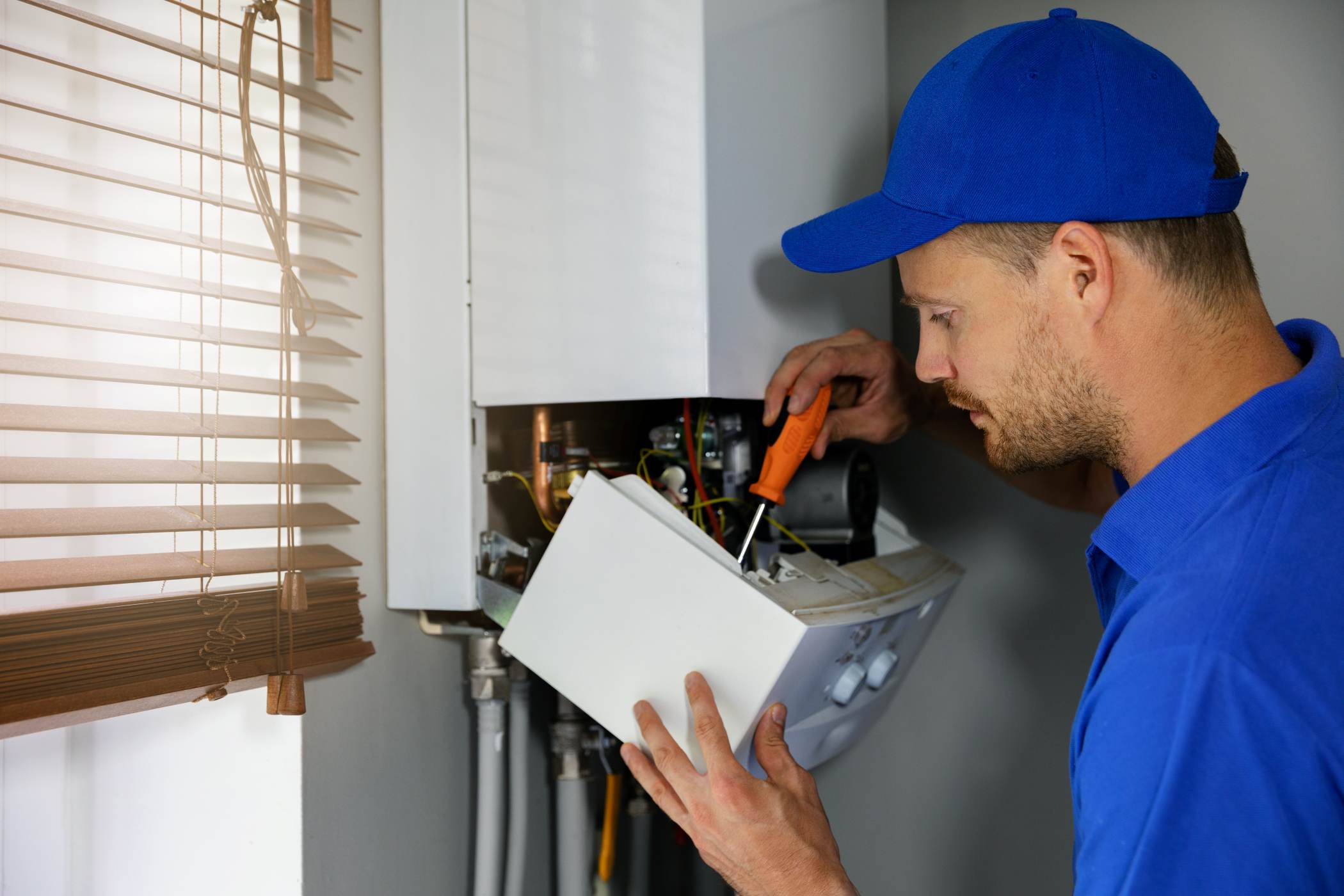
A functional boiler is the cornerstone of home comfort, especially during colder months. When a boiler malfunctions, homeowners are immediately faced with a critical decision: pursue a repair or invest in a full replacement. This choice involves weighing immediate costs against long-term benefits, energy efficiency, and home value. Making an informed decision requires a clear understanding of the factors that signal the need for an upgrade.
Read on to learn when to pursue a complete boiler replacement.
Evaluating the Age of the Boiler
The age of a boiler is one of the most significant factors in the repair-versus-replace equation. Most boilers have a functional lifespan of between 10 and 15 years. With regular maintenance, some may last longer, but efficiency and reliability inevitably decline after this point. Even if still operational, an older system operates at a lower Annual Fuel Utilization Efficiency (AFUE) rating compared to modern condensing models. This means more fuel is wasted, leading to higher utility bills, including gas bills.
Hence, if a boiler is approaching or has exceeded its 15-year lifespan and requires a costly repair, investing that money into a new unit typically makes more financial sense in the long run.
The Frequency and Cost of Repairs
Occasional repairs are a normal part of boiler ownership. However, when service calls become frequent or the cost of a single repair is exorbitant, replacement becomes the more prudent option. In the UK, boiler repairs typically cost between £120 and £750, with an average of £300, parts included. Meanwhile, for emergency repairs or hard-to-find parts, you may be charged a higher price.
If your boiler is less than 10 years old and the issue is relatively minor, repair is usually more cost-effective. However, if it’s more than 10-15 years old and frequently breaking down, replacement becomes more practical.
Consistently pouring money into an ageing system is akin to throwing good money after bad, as it only postpones the inevitable need for a new installation. However, for qualifying households, financial assistance can significantly offset the cost of a new, efficient system. Residents may be eligible to apply for a boiler grant in Warrington and similar programs across the UK, which are designed to help install modern, energy-saving heating systems.
Declining Efficiency and Rising Energy Bills
A gradual but steady increase in monthly heating bills often signals declining boiler efficiency. As components wear out, the system must work harder and longer to achieve the same comfort level, consuming more fuel. Modern boilers are required to have AFUE ratings of approximately 90% or higher, meaning they convert over 90% of the fuel into usable heat.
In contrast, an older system may operate at approximately 70% efficiency or lower. Upgrading to a high-efficiency model can result in substantial savings on energy bills, sometimes reducing costs. These ongoing savings can effectively help finance the new boiler over time.
Inconsistent Central Heating and System Performance
A boiler that struggles to maintain a consistent temperature, requires constant room thermostat adjustments, or leaves some rooms cold while others are warm is indicating a significant problem. These issues can stem from failing components, sludge buildup in the system, or an improperly sized unit for the home’s layout.
While some problems can be remedied, an older system often can’t be calibrated to the performance standard of a new one. A new installation resolves these inconsistencies, providing reliable, even heat throughout the home and improving overall comfort.
The Shift Towards Environmental Responsibility
Modern energy efficient boilers are more efficient and more environmentally friendly. They can produce significantly lower carbon emissions than older models, aligning with broader societal goals to reduce one’s carbon footprint.
For homeowners concerned with environmental impact, upgrading an old, inefficient current boiler is one of the most effective steps. This shift supports sustainability and often qualifies for energy-efficient incentives, further enhancing the value proposition of a new installation.
The Financial Implications: Short-Term vs. Long-Term

The initial investment for a new boiler installation is undeniably higher than the cost of a typical repair. However, this short-term expense must be balanced against long-term financial benefits. These include drastically lower energy bills, reduced frequency of repair calls, potential increases in property value, and the peace of mind that comes with a modern warranty. Financing options and available grants can make this upfront cost more manageable, turning a new boiler into a smart investment rather than a mere expense.
Considering Future Home Improvement Plans
A homeowner’s plans for the property should also influence the decision. If a kitchen remodel, basement finishing, or a home addition is on the horizon, the heating system’s capacity must be considered. An old boiler may already be operating at its limit and would be incapable of efficiently heating additional space.
Installing a new boiler with the appropriate output and modern zoning capabilities proactively can address the heating demands of a renovated or expanded home. This forward-thinking approach can help prevent the need for another costly upgrade shortly after completing other renovations.
Final Thoughts
Choosing between repairing an existing boiler and installing a new unit is a significant decision. By keeping the information mentioned above in mind, homeowners will know whether an upgrade is the most economically and environmentally sound choice. Besides, investing in a modern, high-efficiency boiler can ensure enhanced home comfort, long-term savings, and a reduced environmental impact for years.