Selecting an architect represents one of the most consequential decisions in any building project; yet, many clients underestimate the profound differences between residential and commercial design expertise. These specialists operate in distinct realms with separate regulatory frameworks, design philosophies, and technical requirements that significantly impact project outcomes.
Core Design Philosophies
Residential architects focus on creating personalised spaces that reflect individual lifestyles, while commercial practitioners prioritise functionality for diverse user groups. This fundamental distinction affects everything from spatial planning to material selection. Professional architect services tailored to your project type ensure that this mindset aligns with your objectives from the initial concept stage.
Regulatory Landscape Variations
Home renovations primarily navigate local zoning and building codes, whereas commercial projects must satisfy additional accessibility, fire safety, and occupational health mandates. A retail architect automatically incorporates ADA compliance into layouts, while residential designers might treat accessibility as an optional upgrade unless specified.
Client Relationship Dynamics
House architects typically collaborate directly with end-users over extended periods, refining details through iterative conversations. Commercial practitioners often mediate between multiple stakeholders—investors, tenants, and regulatory bodies—requiring diplomatic skills beyond pure design talent. This affects how designs evolve and decisions are made.
Technical Documentation Differences
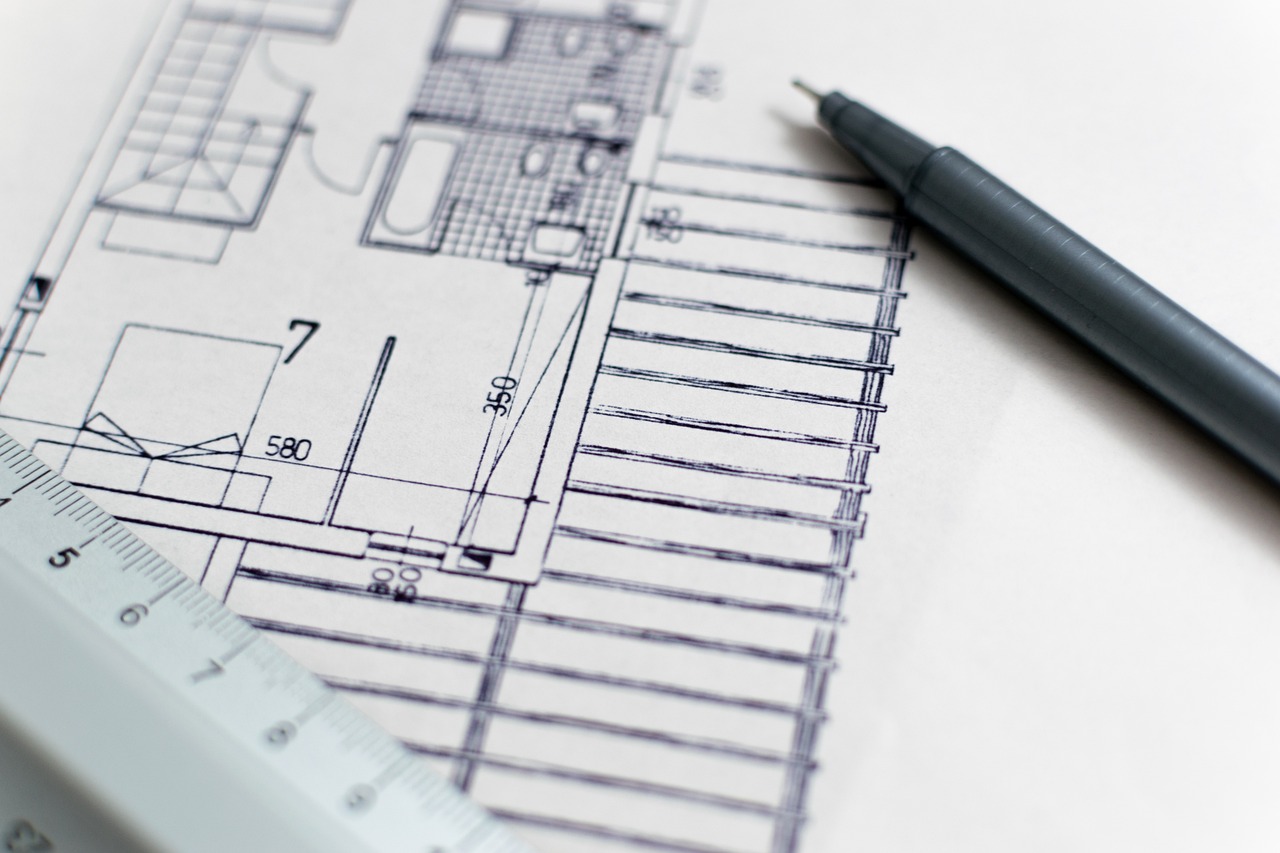
Residential plans might use simplified notations familiar to custom builders, while commercial drawings require rigorous specifications for competitive bidding. The latter demands precise performance standards and material testing protocols that residential jobs rarely need, reflected in the depth of contract documentation.
Material and System Complexity
Commercial architects regularly specify industrial-grade systems, such as HVAC networks, elevator banks, and fire suppression infrastructure. Residential specialists, on the other hand, focus on domestic-scale solutions. However, high-end home designers are increasingly bridging this gap with luxury smart home technologies.
Budgeting and Value Engineering
Cost management approaches diverge significantly. Home architects optimise budgets through material substitutions and layout efficiencies, whereas commercial teams employ sophisticated value engineering processes that analyse lifecycle costs over decades of operation.
Project Timeline Expectations
Custom home projects often feature flexible timelines that accommodate client preferences, whereas commercial developments operate under strict financial timelines with penalty clauses. This affects how architects structure their design phases and communicate with clients.
Sustainability Standards
While both sectors adopt green design, commercial architecture faces more stringent energy performance requirements. Residential sustainability typically focuses on occupant health and renewable energy integration, rather than large-scale environmental certifications.
Technology Utilization
Commercial firms typically invest in advanced BIM tools for coordinating complex systems, while residential practices may prioritise visualisation software for client presentations. This technological divergence affects both design possibilities and project documentation.
The Hybrid Solution
For mixed-use developments or luxury estates with commercial-grade systems, some firms offer blended expertise. These specialists understand how to balance residential comfort expectations with commercial performance standards—a rare but valuable skill set.
Making the Right Choice
Choosing incorrectly can lead to frustrated clients, compromised designs, and even regulatory non-compliance. The most successful projects match architect specialisation to project type from the outset, ensuring the design team’s daily experience aligns with your specific challenges. Whether crafting a dream home or developing income property, this fundamental alignment proves more critical than aesthetic preferences or fee structures. The right architect doesn’t just design spaces – they navigate the invisible frameworks that make buildings truly work for their intended purpose.